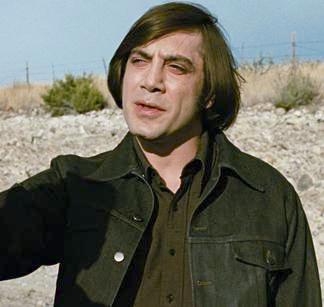
The 2007 film “No Country for Old Men,” directed by Joel and Ethan Coen, is often celebrated for its masterful storytelling, stark cinematography, and gripping performances. Yet, it has also sparked considerable debate among audiences and critics alike regarding its deliberately ambiguous narrative and thematic elements. While some praise the film’s open-ended approach as a bold artistic choice that invites deeper reflection, others argue that its ambiguity detracts from its impact, leaving viewers adrift in a sea of unresolved tension. This article delves into the heart of this debate, examining whether the film’s enigmatic nature enhances its status as a cinematic masterpiece or whether it ultimately undermines its storytelling effectiveness. By analyzing key aspects of the film’s narrative structure, character development, and thematic depth, we aim to uncover whether “No Country for Old Men” is too ambiguous for its own good or if its elusive qualities are precisely what render it a timeless work of art.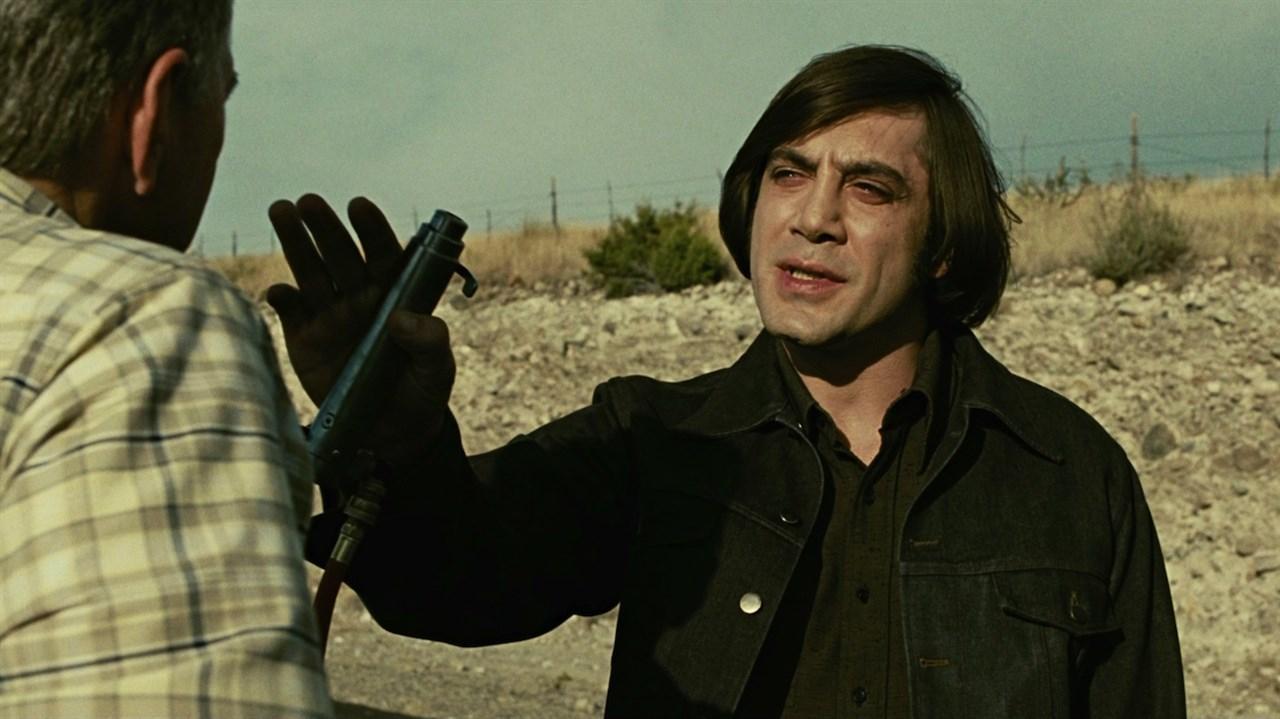 No Country for Old Men Challenges Traditional Storytelling”>
Examining the Ambiguity: How No Country for Old Men Challenges Traditional Storytelling
At the heart of the Coen brothers’ cinematic masterpiece lies a deliberate subversion of traditional storytelling norms. By eschewing clear moral resolutions and denying audiences the satisfaction of a neatly tied conclusion, No Country for Old Men forces viewers to grapple with the chaotic and often inexplicable nature of life itself. This bold narrative choice challenges the conventional hero’s journey, where triumph and justice typically prevail. Instead, the film presents a world where randomness and fate dictate the outcomes, leaving characters and viewers alike in a state of existential contemplation.
- Unpredictable Plot Progression: The narrative defies expectations by shifting focus away from the protagonist, creating an unsettling sense of unpredictability.
- Ambiguous Morality: Traditional dichotomies of good versus evil are blurred, compelling audiences to question their own moral assumptions.
- Character Development: The characters’ arcs reflect the randomness of their environment, emphasizing the futility of seeking control in a chaotic world.
Through its intricate storytelling, the film serves as a poignant reflection on the complexities of human existence. By embracing ambiguity, it elevates the narrative to a profound meditation on the nature of destiny and morality, challenging viewers to find meaning in the absence of clear answers.

Understanding the Role of Ambiguity in Character Development and Viewer Engagement
In the realm of storytelling, ambiguity serves as a powerful tool that can transform a character from a mere plot device into a multi-dimensional entity. In No Country for Old Men, the Coen brothers utilize ambiguity to its fullest potential, weaving it intricately into the fabric of the characters’ motivations and actions. Anton Chigurh, with his enigmatic principles and unyielding pursuit, becomes a vessel of existential dread, leaving audiences pondering his true nature. Sheriff Bell, on the other hand, reflects the uncertainty and moral complexity of the world he inhabits, his introspective monologues hinting at deeper layers of meaning. This deliberate lack of clarity not only deepens character development but also compels viewers to engage with the narrative on a more personal level.
- Character Complexity: Ambiguity allows for characters to be perceived in multiple ways, enriching their complexity.
- Viewer Engagement: By leaving certain aspects open to interpretation, viewers are invited to actively participate in the storytelling process.
- Moral Ambiguity: The film challenges viewers to question the nature of good and evil, reflecting the uncertainties of real life.
While some might argue that the film’s ambiguous nature is excessive, potentially alienating viewers seeking clear resolutions, it’s this very quality that elevates the narrative. By refusing to spoon-feed answers, No Country for Old Men respects the audience’s intelligence and invites endless analysis and discussion, ensuring its place as a thought-provoking piece of cinema. The interplay of ambiguity and character development not only captivates viewers but also cements the film’s status as a modern classic.
Balancing Ambiguity and Clarity: Lessons for Filmmakers from No Country for Old Men
In the realm of filmmaking, striking a balance between ambiguity and clarity is an art form that can make or break a narrative. The Coen Brothers’ No Country for Old Men serves as a masterclass in this delicate equilibrium. By carefully crafting a world where moral certainties dissolve into shades of gray, the film offers valuable lessons for filmmakers striving to engage and challenge their audiences. The story’s deliberate ambiguity is not a flaw but rather a narrative device that invites viewers to become active participants in interpreting its meaning. This approach fosters a deeper connection, urging audiences to ponder existential questions long after the credits roll.
- Character Motivations: The film provides minimal exposition regarding character motivations, encouraging viewers to delve into their own interpretations.
- Open-Ended Conclusion: By resisting the urge to tie up every narrative thread, the film allows its themes of fate and randomness to resonate more profoundly.
- Visual and Auditory Cues: The Coens use visual storytelling and sound design to convey emotions and themes, often leaving dialogues intentionally sparse.
For filmmakers, embracing this kind of storytelling requires confidence and a willingness to trust in the audience’s ability to engage with complex, open-ended narratives. No Country for Old Men demonstrates that when ambiguity is employed with precision, it can elevate a film from mere entertainment to a thought-provoking piece of art.

Crafting a Narrative with Purpose: Recommendations for Handling Ambiguity in Film
In the realm of cinematic storytelling, ambiguity can serve as a powerful tool, offering audiences a playground for interpretation and introspection. However, handling ambiguity requires a delicate balance to ensure it enhances rather than detracts from the narrative. No Country for Old Men stands as a masterclass in this regard, with its restrained dialogue and open-ended conclusions sparking debates among viewers. To craft a narrative with purpose amidst ambiguity, filmmakers might consider the following recommendations:
- Establish Core Themes: Anchor the narrative with clear themes that resonate throughout the film. This provides viewers with a guiding framework, even as the storyline ventures into uncertain territories.
- Character Depth: Develop characters whose motivations and arcs are compelling enough to sustain interest, even when plot points remain unresolved. Rich character studies can captivate audiences, encouraging them to engage with the narrative on a deeper level.
- Visual Storytelling: Utilize cinematography and visual cues to convey meaning. Symbolic imagery and deliberate framing can offer subtle insights, guiding audiences through the ambiguity without overt exposition.
By embracing these strategies, filmmakers can harness the power of ambiguity to enrich their storytelling, ensuring it serves a purpose rather than leaving viewers adrift in confusion.