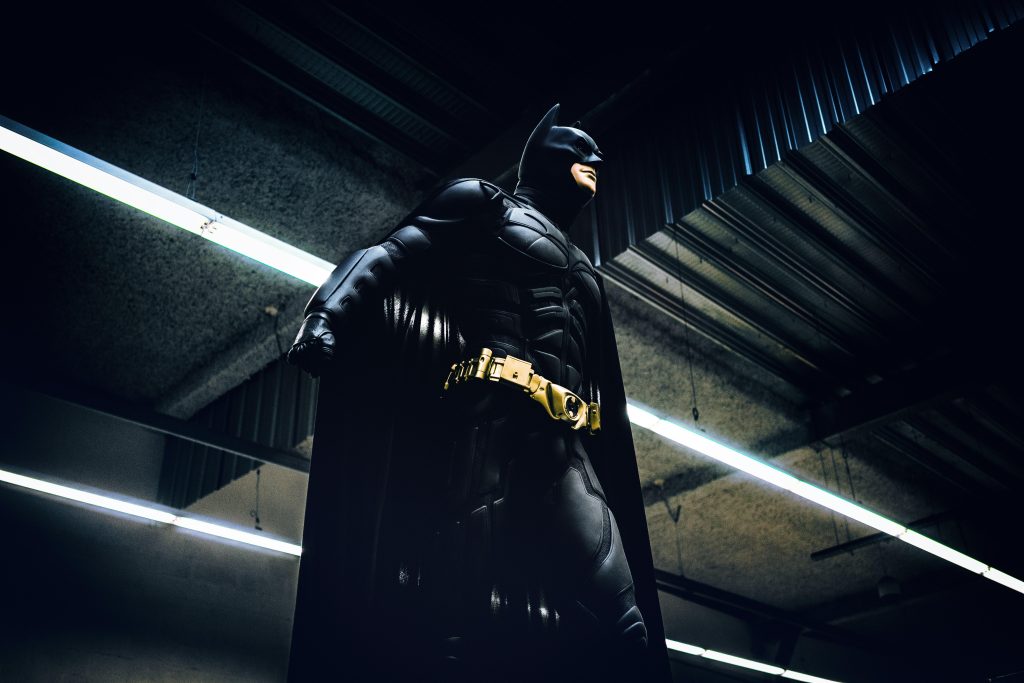
In the vast and colorful tapestry of superhero cinema, where capes flutter in the wind and battles between good and evil unfold on grandiose scales, one film consistently rises above the rest, cloaked in shadow and intrigue: “The Dark Knight.” Released in 2008, this Christopher Nolan masterpiece has captivated audiences and critics alike, igniting passionate debates about its rightful place in the pantheon of superhero films. Can it truly be hailed as the best of its genre, or is it merely a cinematic mirage, casting a long, compelling shadow over its contemporaries? With a confident stride into Gotham’s underbelly, we embark on an exploration of this cinematic tour de force, dissecting its narrative brilliance, complex characters, and cultural impact to determine if “The Dark Knight” indeed wears the crown of the ultimate superhero film.
Exploring the Mastery of Storytelling and Cinematic Brilliance
Christopher Nolan’s The Dark Knight is often heralded as a cinematic masterpiece that transcends the superhero genre. Its brilliance lies in the intricate weaving of storytelling elements that not only entertain but also provoke thought. The film redefines the archetype of a superhero movie by diving deep into the complexities of morality and chaos, embodied perfectly in Heath Ledger‘s iconic portrayal of the Joker. Nolan’s direction ensures that every scene is meticulously crafted, with Hans Zimmer’s haunting score amplifying the tension and emotional depth. The narrative’s ability to balance action-packed sequences with profound philosophical questions is a testament to its unique genius.
- Unparalleled Character Development: Each character, from Batman to Commissioner Gordon, is fleshed out with a depth that makes them relatable and compelling.
- Gripping Plot: The storyline is layered, with twists that challenge the viewer’s perceptions of heroism and villainy.
- Visual and Auditory Excellence: The cinematography captures Gotham’s gritty reality, while the soundtrack elevates the emotional stakes.
These elements combined have not only set a high benchmark for superhero films but have also cemented The Dark Knight as a cultural phenomenon that continues to be discussed and analyzed. Its impact on the genre is undeniable, prompting many to question if it indeed stands as the pinnacle of superhero cinema.

The Art of Character Depth: A Study of Bruce Waynes Evolution
In Christopher Nolan’s portrayal, Bruce Wayne’s journey is a masterclass in character development, transcending the typical superhero narrative. Bruce Wayne is not merely a billionaire playboy; he is a man burdened by the shadows of his past, navigating the complexities of his dual existence. This depth is meticulously crafted through his interactions, struggles, and moral dilemmas. His evolution is punctuated by pivotal moments that challenge his ethos, shaping him into a symbol of resilience and sacrifice. This intricate character arc invites audiences to explore the profound layers of human emotion and ethical quandaries.
- Identity Conflict: The tension between Bruce’s public persona and his true self adds complexity.
- Moral Dilemmas: The decisions he faces often blur the line between right and wrong.
- Personal Sacrifice: His willingness to endure personal loss for the greater good underscores his heroism.
As Bruce Wayne evolves, so does our understanding of what it means to be a hero. He embodies the duality of hope and despair, encapsulating the human condition within a superhero framework. This nuanced portrayal is what elevates “The Dark Knight” beyond a mere action film, positioning it as a profound narrative that resonates with audiences on a deeply personal level. It is this artful exploration of character depth that compels us to consider it not just as a superhero film, but as a cinematic masterpiece.

Unveiling the Impact: Cultural and Industry Shifts Sparked by The Dark Knight
The release of The Dark Knight in 2008 did more than just redefine the superhero genre; it ignited a seismic shift across both cultural landscapes and the film industry. At a time when superhero movies were often perceived as light-hearted escapism, Christopher Nolan’s masterpiece injected a dose of gritty realism and moral complexity that resonated with audiences worldwide. Culturally, it set a new benchmark for storytelling, influencing countless filmmakers to explore deeper, more nuanced narratives in their work. The film’s themes of chaos, morality, and heroism echoed beyond the screen, prompting viewers to ponder the very nature of justice and societal order.
In the industry, The Dark Knight shattered expectations, proving that superhero films could be both critically acclaimed and commercially successful. Its impact is evident in the proliferation of darker, more sophisticated superhero narratives that followed, from the Marvel Cinematic Universe’s deeper character arcs to the grittier reboots of iconic franchises. The film also sparked a dialogue on the potential of genre films to achieve critical recognition, paving the way for subsequent superhero films to be considered for major awards. Key industry shifts include:
- The elevation of superhero films in mainstream cinema
- Increased investment in character development and narrative depth
- A surge in high-caliber actors joining superhero projects

Crafting a Legacy: Lessons for Future Superhero Films
In the pursuit of crafting a superhero film that stands the test of time, filmmakers can draw invaluable insights from Christopher Nolan’s masterpiece. The Dark Knight exemplifies how to weave a narrative that resonates deeply with audiences by balancing intricate storytelling with compelling character development. Future creators should consider the following elements:
- Complex Villains: The Joker, portrayed with haunting brilliance by Heath Ledger, isn’t just a villain; he’s a mirror reflecting the darker facets of society and the hero himself. Future films should aim to create antagonists with depth, whose motivations challenge not only the hero but also the audience’s perception of morality.
- Real-world Themes: By integrating themes of chaos, order, and the ethical dilemmas faced by those in power, The Dark Knight elevates itself beyond mere entertainment. Superhero films that engage with contemporary issues will not only captivate viewers but also invite meaningful discourse.
- Innovative Cinematography: Nolan’s use of IMAX cameras and practical effects set a new standard for visual storytelling. Upcoming films should push technological boundaries to deliver immersive experiences that captivate and awe.
By embracing these lessons, future superhero films can aspire to not just entertain but to leave a lasting impact, much like The Dark Knight has done for over a decade.