In the dim glow of black-and-white film reels, Old Hollywood unfurls like a gilded tapestry of glamour, intrigue, and timeless allure. The silver screen icons of yesteryear, with their impeccably coiffed hair and dazzling smiles, continue to captivate our imagination, whispering tales of a bygone era steeped in elegance and mystery. Yet, as we stand on the precipice of this cinematic reverie, a question emerges from the shadows: Are we, in our nostalgia, casting too golden a hue on the storied past of Tinseltown? In our quest for escapism, have we overlooked the complex realities that lay beneath the veneer of glitz and glamor? This article delves into the heart of Old Hollywood’s enduring enchantment, examining whether our collective longing for its charm has perhaps led us to overlook the multifaceted truths that linger just beyond the spotlight.
The Allure of Glamour: Unpacking the Mystique of Old Hollywood
- Fashion Icons: Old Hollywood gave us timeless fashion icons like Audrey Hepburn and Marilyn Monroe. Their classic styles continue to inspire designers and fashion enthusiasts alike. However, it’s worth questioning whether this fixation on a polished exterior glosses over the more complex realities of their personal lives.
- Artistic Innovation: The era was also a golden age for cinematic innovation, producing masterpieces that still captivate audiences. Yet, behind the glitz and glamour, there was often a hidden layer of exploitation and inequity within the industry that is frequently overlooked.
- Charismatic Personas: The allure of charismatic stars was undeniable, drawing fans into a world of opulence and intrigue. But the carefully crafted personas sometimes masked the struggles and sacrifices made for fame.
The allure of Old Hollywood is undeniable, with its romanticized vision of fame, beauty, and talent. Yet, as we admire the surface brilliance, it is crucial to delve deeper into the societal norms and industry practices of that time. While the mystique of this bygone era captivates, the complexity of its narratives reminds us to balance admiration with awareness.
Balancing Nostalgia and Reality: The Truth Behind the Silver Screen
In our collective memory, Old Hollywood often gleams with an almost mythical aura—one that combines the allure of timeless fashion, iconic film stars, and stories that seem to transcend the very era they were born in. Yet, when we strip away the glamour, we uncover a reality that’s far more complex. Beneath the shimmering facade of the silver screen, the industry was riddled with rigid studio systems, stringent moral codes, and limited opportunities for diverse voices.
- Studio Dominance: The Golden Age was marked by the monopoly of major studios, which controlled every aspect of an actor’s career, from their public image to their personal lives.
- Social Inequality: Many films of the time reflect the societal norms of the era, often marginalizing women and minority groups both on-screen and behind the scenes.
- Technological Constraints: Without today’s advanced technology, filmmakers faced significant limitations in storytelling and special effects, which, while fostering creativity, also restricted the scope of their narratives.
While it’s tempting to get lost in the romanticized vision of yesteryear, acknowledging these realities allows us to appreciate the genuine artistry and resilience of those who navigated such a demanding landscape. It is this delicate balance between nostalgia and reality that keeps the legacy of Old Hollywood both enchanting and enlightening.
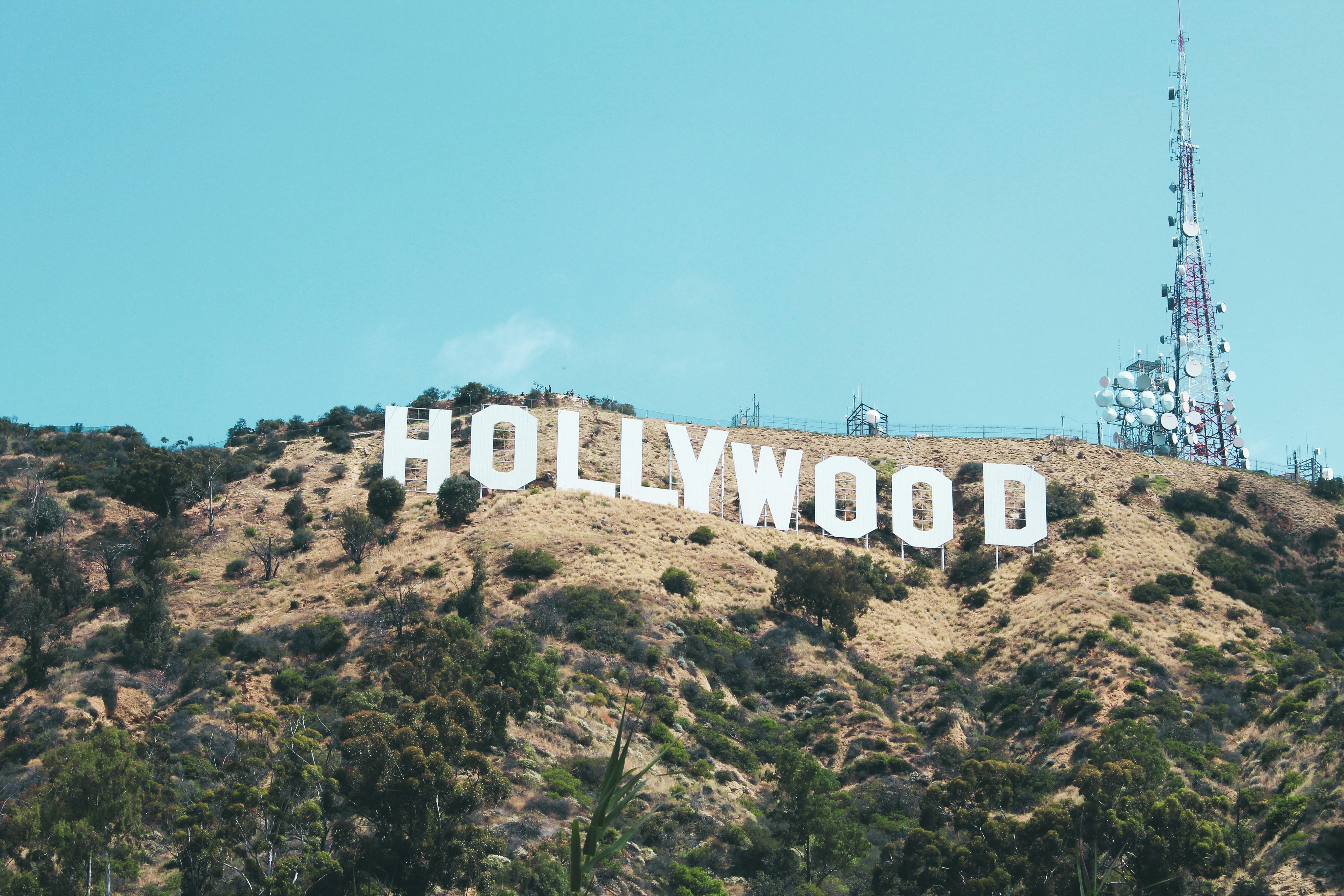
The Impact of Idealization: How Romanticizing Shapes Our Perception
Old Hollywood, with its shimmering gowns, charismatic stars, and dramatic tales, often captivates our imagination, leading us to paint a picture that might be more fantasy than reality. The allure of this golden era is undeniable, but the tendency to idealize it can obscure the more complex truths hidden beneath the glamour. Romanticizing these past times often involves focusing on the glitz while overlooking the gritty undercurrents of societal issues and industry practices that were prevalent. This selective memory can shape our perception, creating a narrative that is both enticing and misleading.
When we indulge in this nostalgia, we risk overshadowing the accomplishments and struggles of those who fought for change within the industry. Consider the following aspects that are often overlooked:
- The strict studio system that controlled every aspect of a star’s life, from their public image to their personal choices.
- The lack of diversity and representation, which meant many voices and talents were stifled or ignored.
- The often toxic culture that perpetuated gender inequality and power imbalances.
By examining these facets with a critical eye, we can appreciate the beauty of Old Hollywood while acknowledging the progress that still needs to be made. Romanticizing, then, becomes a double-edged sword—one that offers both a comforting escape and a reminder of the need for a more inclusive and truthful narrative.

Moving Forward: Embracing Authenticity in Modern Cinema
In today’s cinematic landscape, there’s a growing fascination with the glitz and glamour of Old Hollywood. While the allure of classic films and legendary stars is undeniable, there’s a compelling argument to be made for shifting our focus towards embracing authenticity in modern cinema. Authenticity brings fresh narratives, diverse voices, and genuine human experiences to the forefront, offering audiences a chance to see themselves represented in ways that were often absent in the golden age of Hollywood.
- Diverse Storytelling: Unlike the past, where narratives were often homogeneous, modern cinema thrives on a rich tapestry of cultures, perspectives, and experiences.
- Realistic Characters: Today’s films often portray characters with depth and complexity, reflecting the nuances of real life rather than the idealized figures of yesteryears.
- Innovative Techniques: Technological advancements allow filmmakers to experiment with new styles and storytelling methods, creating immersive experiences that were once unimaginable.
While nostalgia for Old Hollywood will always have its place, the beauty of modern cinema lies in its capacity for authenticity, offering a more inclusive and honest reflection of the world we live in.