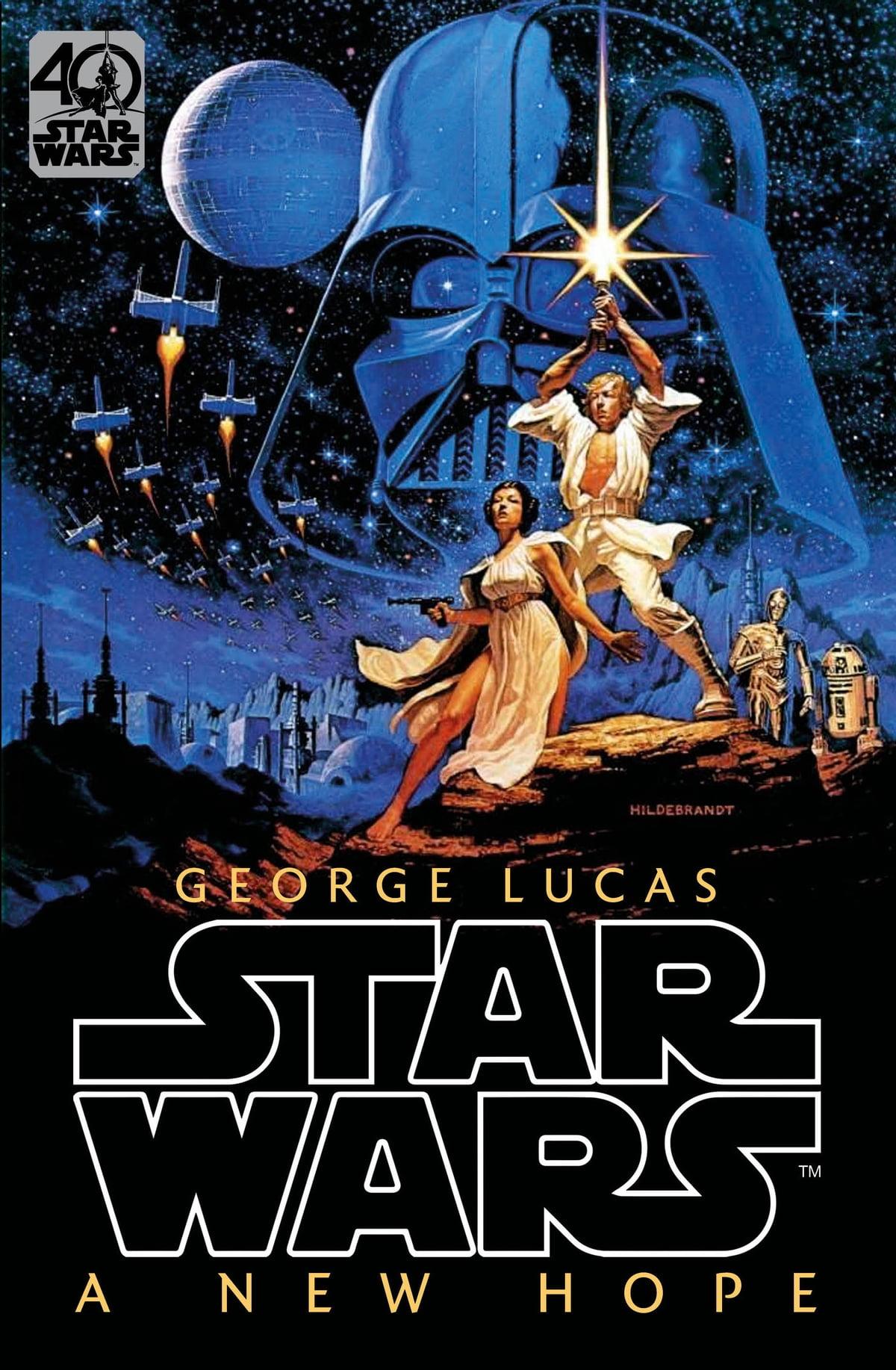
In the annals of cinematic history, few films have wielded as profound an influence on global culture as “Star Wars: A New Hope.” Released in 1977, this groundbreaking space opera not only redefined the science fiction genre but also catalyzed a seismic shift in the cultural landscape, resonating across generations and continents. Its impact extends far beyond the confines of traditional filmmaking, permeating various facets of popular culture, inspiring technological advancements, and fostering a new era of fandom. This article delves into the multifaceted cultural legacy of “Star Wars: A New Hope,” examining how its innovative storytelling, iconic characters, and visionary special effects have left an indelible mark on both the entertainment industry and the collective imagination of audiences worldwide. Through a critical analysis, we explore the enduring appeal and transformative power of this cinematic masterpiece, which continues to inspire and influence the cultural zeitgeist nearly half a century after its debut.
Legacy of Storytelling and Mythology in Modern Cinema
George Lucas’s seminal film, Star Wars: A New Hope, stands as a pivotal moment in the evolution of modern cinema, particularly through its innovative blend of storytelling and mythology. Drawing heavily from the hero’s journey archetype, as outlined by Joseph Campbell, the film weaves a tapestry of timeless themes and archetypes that resonate deeply with audiences across generations. This narrative framework not only anchors the film’s plot but also elevates its characters to mythic status, creating a universal appeal that transcends cultural and temporal boundaries.
Key elements of this mythological storytelling in “A New Hope” include:
- The Call to Adventure: Luke Skywalker’s initial reluctance and eventual acceptance of his destiny mirrors the classic hero’s journey.
- Mentorship: The wise figure of Obi-Wan Kenobi guides Luke, echoing the role of a sage or mentor in traditional myths.
- The Battle of Good vs. Evil: The film’s depiction of the struggle between the Rebel Alliance and the Empire is a modern retelling of age-old conflicts.
This strategic use of mythology not only enriches the narrative but also fosters a profound cultural impact, embedding the film within the collective consciousness and inspiring countless future storytellers.
Revolutionizing Special Effects and Cinematic Technology
The release of “Star Wars: A New Hope” in 1977 marked a pivotal moment in cinematic history, reshaping the landscape of special effects and technology in film. At a time when science fiction was often relegated to the fringes of mainstream cinema, George Lucas’s visionary approach to storytelling was matched by his commitment to groundbreaking visual effects. Industrial Light & Magic (ILM), founded by Lucas, became the spearhead of this revolution, pioneering techniques that would become industry standards. These innovations included the use of motion control photography, which allowed for more dynamic and realistic spaceship sequences, and the introduction of computer-controlled cameras, which enhanced the complexity and precision of action scenes.
Moreover, ”A New Hope” utilized miniature models and matte paintings in ways that had never been seen before, bringing an unprecedented level of detail and authenticity to the film’s vast universe. This meticulous attention to detail was complemented by the creative use of sound design, spearheaded by Ben Burtt, who crafted iconic sounds that are still recognized today. As a result, “Star Wars” didn’t just entertain; it transformed the way films were made, setting a new benchmark for the industry. This legacy is evident in modern blockbusters that continue to draw inspiration from Lucas’s revolutionary techniques, cementing “A New Hope” as a cornerstone of cinematic technology evolution.
- Motion control photography
- Computer-controlled cameras
- Miniature models and matte paintings
- Innovative sound design

Influence on Global Pop Culture and Merchandise Trends
When George Lucas introduced audiences to the galaxy far, far away in 1977, he didn’t just create a film; he ignited a cultural phenomenon that reshaped global pop culture and merchandise trends. Star Wars: A New Hope transcended traditional storytelling, embedding itself into the fabric of society through its iconic characters, groundbreaking special effects, and unforgettable score. Its influence is evident in the widespread adoption of science fiction themes across various media, inspiring countless films, TV shows, and literature that followed.
- Merchandising Revolution: The film pioneered the concept of movie merchandise, transforming action figures, apparel, and collectibles into a multi-billion-dollar industry.
- Iconic Imagery: Characters like Darth Vader and Princess Leia became cultural icons, their likenesses ubiquitous in art, fashion, and advertising.
- Fan Culture: The establishment of a dedicated fanbase set the stage for fan conventions and community-driven content, influencing the way audiences engage with media today.
By intertwining narrative and commerce, ”A New Hope” not only changed how films were marketed but also solidified the symbiotic relationship between pop culture and consumerism. Its legacy is a testament to the power of storytelling to shape and reflect societal values and interests across generations.

Inspiring Future Generations of Filmmakers and Storytellers
Star Wars: A New Hope has not only captivated audiences with its groundbreaking visual effects and compelling narrative but has also laid a profound foundation for aspiring filmmakers and storytellers. The film’s innovative use of special effects and world-building techniques have inspired countless individuals to explore the limitless possibilities of cinema. Young filmmakers have been encouraged to push boundaries, daring to create worlds as expansive and immersive as the galaxy far, far away.
- Innovative Storytelling: The film’s archetypal narrative structure, combining mythic themes with a futuristic setting, serves as a blueprint for crafting timeless stories that resonate across generations.
- Technological Advancements: The pioneering use of practical effects and CGI in A New Hope has encouraged new filmmakers to experiment with and embrace cutting-edge technology in their own projects.
- Cultural Diversity: By introducing a universe teeming with diverse species and cultures, the film highlights the importance of inclusivity and representation in storytelling.
Through its enduring legacy, Star Wars: A New Hope continues to ignite the imaginations of the next generation, instilling a passion for storytelling that transcends traditional cinematic boundaries. This cultural phenomenon has become a touchstone for creativity, teaching young visionaries that the art of filmmaking is not just about creating movies but crafting experiences that inspire and unite audiences worldwide.