
In the pantheon of cinematic achievements, few films have ascended as swiftly and decisively as Bong Joon-ho‘s “Parasite.” At the 92nd Academy Awards, this South Korean masterpiece not only shattered the glass ceiling for international cinema but also captivated audiences and critics alike, earning accolades across multiple categories. But what truly set “Parasite” apart in a competitive field of contenders? This article delves into the intricate tapestry of storytelling, direction, and thematic depth that underscores why “Parasite” deserved every Oscar it won. Through a confident analysis, we will explore how this film transcended cultural boundaries, redefined genre conventions, and delivered a poignant social commentary that resonates universally, affirming its place as a landmark in film history.
Masterful Storytelling and Cultural Commentary
In the realm of cinema, Bong Joon-ho’s Parasite stands as a paragon of storytelling finesse and cultural insight. This film’s narrative unfolds with meticulous precision, intertwining elements of suspense, humor, and tragedy in a seamless tapestry. The screenplay is a masterclass in economy and impact, where every line of dialogue and every visual cue serves a purpose. The intricate plot, which deftly navigates the intricacies of class disparity, is a testament to the power of cinema as a tool for social commentary. By weaving together the lives of two families from opposite ends of the economic spectrum, Parasite not only entertains but also provokes thought, urging viewers to reflect on the pervasive inequities in society.
- Ingenious Plot Structure: The film’s narrative arc is both unexpected and compelling, maintaining a tight grip on the audience’s attention from start to finish.
- Symbolism and Metaphor: Each scene is laden with symbols, such as the semi-basement home representing societal stagnation and the rain as a metaphor for cleansing and chaos.
- Character Development: Characters are not mere caricatures but fully fleshed out individuals, each embodying the struggles and aspirations of their respective social strata.
The film’s ability to transcend cultural barriers is remarkable, making it not only a South Korean success but a global phenomenon. Its triumph at the Oscars was not merely a victory for international cinema but a validation of storytelling that resonates universally. The accolades were well-deserved, not just for its technical brilliance, but for the way it boldly challenges and redefines the narrative landscape, offering a mirror to the world that reflects both its beauty and its flaws.

Innovative Cinematic Techniques and Visual Storytelling
In the realm of cinematic brilliance, Parasite stands as a beacon of innovation, primarily due to its groundbreaking techniques and compelling visual storytelling. Director Bong Joon-ho masterfully employs a dynamic use of space and architecture to narrate the class divide, turning the Park family’s opulent house into a character in itself. This architectural symbolism is not merely a backdrop but a living, breathing entity that interacts with the characters, shaping their destinies and amplifying the narrative tension. The use of verticality, such as the descent into the semi-basement apartment of the Kim family and the ascent to the Park’s mansion, is a poignant visual metaphor for social mobility and class hierarchy.
The film’s visual storytelling is further enhanced by its meticulous attention to detail and the seamless blending of genres. Bong Joon-ho uses a kaleidoscope of colors and lighting to subtly influence the audience’s emotions and perceptions, creating a vibrant yet unsettling atmosphere. Key scenes employ contrasts in lighting and color palettes to delineate the stark differences between the lives of the rich and the poor. The rain sequence, for instance, is a masterclass in visual storytelling, where the torrential downpour serves as both a plot device and a symbol of the relentless nature of social inequality. Such innovative techniques not only elevate the narrative but also engage viewers on a subconscious level, making Parasite a deserving Oscar winner for its artistic and technical prowess.
- Architectural Symbolism: Space and structure as narrative tools.
- Visual Metaphors: Use of verticality to depict social hierarchies.
- Color and Lighting: Crafting mood and narrative depth through visual contrasts.
- Genre Blending: Seamless integration of thriller, comedy, and drama.

Exceptional Performances and Character Development
The brilliance of “Parasite” lies in its exceptional performances and the depth of its character development, which seamlessly blend to create a cinematic masterpiece. Bong Joon-ho’s direction allows each actor to shine, crafting characters that are both relatable and complex. Song Kang-ho delivers a performance that is raw and deeply human, capturing the struggles of a father trying to provide for his family amidst societal disparity. Cho Yeo-jeong, as the naive and oblivious Park Yeon-kyo, portrays her character with a nuanced charm that highlights the class divide without resorting to caricature.
- Kim Ki-taek: Portrayed with a quiet desperation, his transformation throughout the film is both heartbreaking and inevitable.
- Kim Ki-jung: A character that oscillates between cunning and vulnerability, showcasing a wide emotional range that captivates the audience.
- Park Dong-ik: Represents the obliviousness of privilege, yet Lee Sun-kyun brings a subtle depth to his role that adds layers to the narrative.
The character arcs in “Parasite” are meticulously crafted, each one adding a unique dimension to the story’s exploration of class tensions. This attention to detail in character development elevates the film, making it not just a story about societal issues, but a profound examination of the human condition.
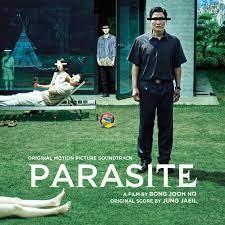
Impact on Global Cinema and Future Implications
The triumph of Parasite at the Oscars sent ripples across the global cinema landscape, challenging the dominance of Hollywood and redefining the parameters of international film recognition. This South Korean masterpiece not only shattered the “one-inch barrier of subtitles,” as director Bong Joon-ho eloquently put it, but also showcased the universal appeal of a well-crafted narrative that transcends cultural boundaries. By clinching the Best Picture award, Parasite paved the way for a broader acceptance and appreciation of non-English films, urging the Academy and audiences alike to embrace a more inclusive perspective on cinematic excellence.
- Increased Visibility for Foreign Films: The success of Parasite has encouraged film distributors and streaming platforms to invest more in foreign films, increasing their accessibility to global audiences.
- Inspiration for Filmmakers: Directors and screenwriters worldwide are inspired to pursue bold, original stories without the fear of being sidelined due to language or cultural differences.
- Shift in Hollywood Dynamics: The recognition of international films at such a prestigious level could prompt Hollywood to rethink its approach, potentially leading to more collaborations and diverse storytelling.
As the film industry evolves, the landmark achievements of Parasite continue to serve as a beacon for change, ensuring that the future of cinema is as vibrant and varied as the world it represents.