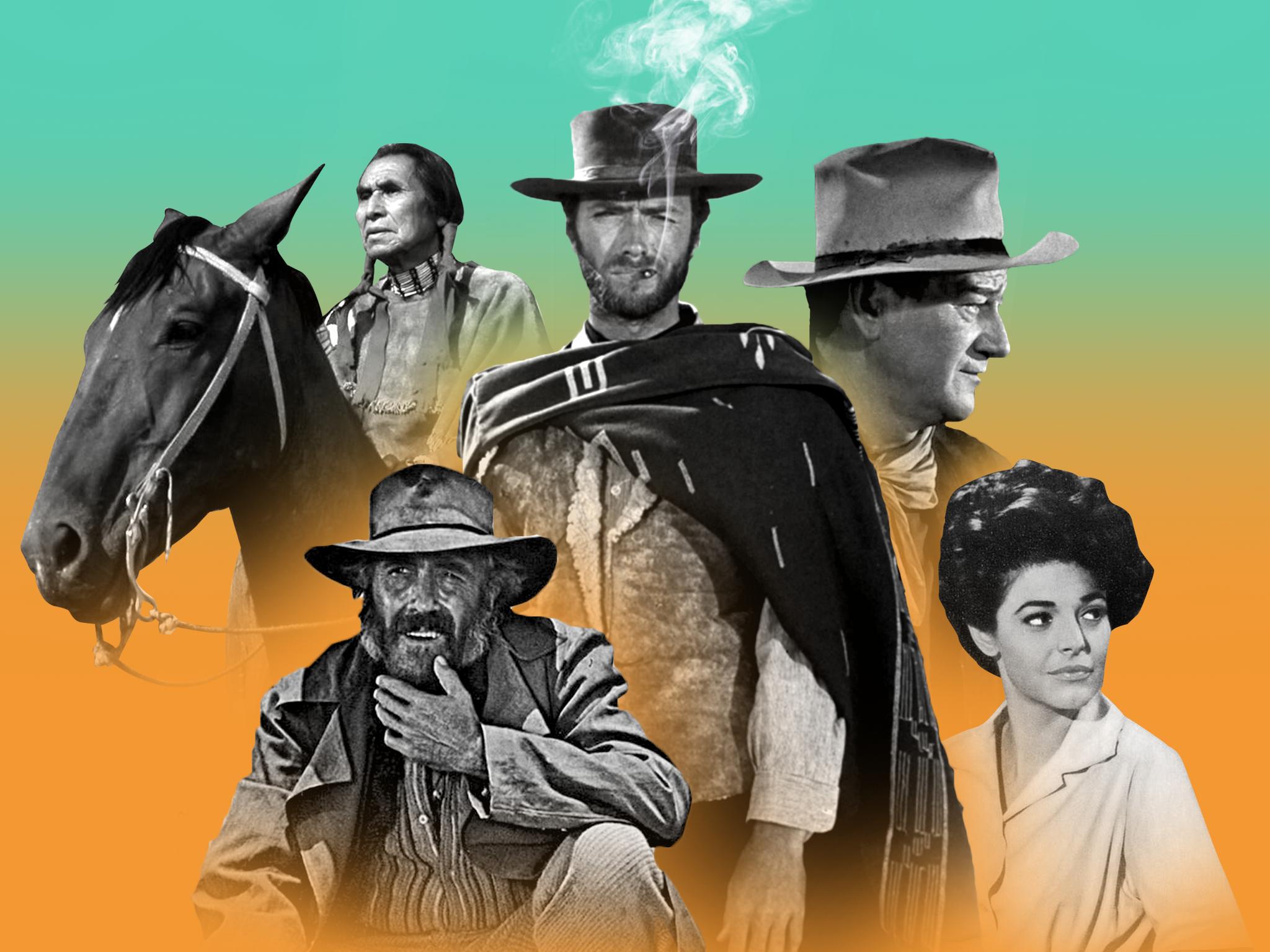
In the sprawling landscapes of American cinema, few genres have carved out as iconic a niche as the Western. Among the tumbleweeds and dusty trails, tales of rugged cowboys and frontier justice have captured the imaginations of audiences for generations. Yet, as the sun sets on the traditional narratives that once defined this genre, a new question emerges from the shadows: are these stories, epitomized by classics like John Ford’s The Searchers, out of step with today’s cultural values? In an era increasingly attuned to issues of representation and historical accuracy, the Western genre stands at a crossroads, its legacy under scrutiny. This article delves into the complexities of how films like The Searchers are perceived in modern society, exploring the fine line between timeless storytelling and cultural insensitivity. Join us as we journey through the past and present, unraveling the intricate tapestry of Westerns and their place in contemporary discourse.
Cultural Re-evaluation of Classic Westerns
The Western genre, with its iconic landscapes and rugged characters, has long been a staple of American cinema. However, films like The Searchers invite a nuanced re-examination in the context of modern values. This classic John Ford film, while celebrated for its cinematography and storytelling, also reflects cultural attitudes that are increasingly seen as outdated. Central to this discussion are themes of racial tension and the portrayal of Native Americans, which can be seen as problematic through today’s lens.
- Representation: The depiction of Native Americans as antagonists raises questions about historical accuracy and stereotyping.
- Character Complexity: Protagonists often embody traits of toxic masculinity, which are being re-evaluated in contemporary discourse.
- Cultural Sensitivity: The narrative choices and language used can be jarring to modern audiences, highlighting the evolution of cultural sensitivity over time.
As society progresses, these films offer a mirror to our past biases and a catalyst for discussions about cultural representation and historical context. While The Searchers remains a cinematic landmark, its content provides an opportunity for critical dialogue about how we view and interpret cultural narratives from previous eras.
Depictions of Race and Gender in The Searchers
In John Ford’s The Searchers, race and gender are woven into the narrative with a complexity that both reflects and challenges the cultural norms of its time. The portrayal of Native Americans, for instance, is often criticized for reinforcing stereotypes, painting them as the “other” in stark opposition to the film’s white protagonists. This dichotomy is emphasized through the character of Ethan Edwards, whose deep-seated prejudice against Native Americans drives much of the plot. Yet, the film also subtly critiques this viewpoint, as Ethan’s obsession and bigotry are depicted as isolating and destructive.
Gender roles in the film are similarly multifaceted. Women are often seen in domestic spheres, highlighting traditional roles. However, characters like Laurie Jorgensen bring a more nuanced depiction, as she exhibits strength and agency in her interactions. The film raises questions about femininity and autonomy, even as it sometimes falls back on conventional tropes. This duality invites viewers to consider whether these portrayals were a product of their time or if they still resonate, and perhaps challenge, modern audiences.
Balancing Historical Context with Modern Sensibilities
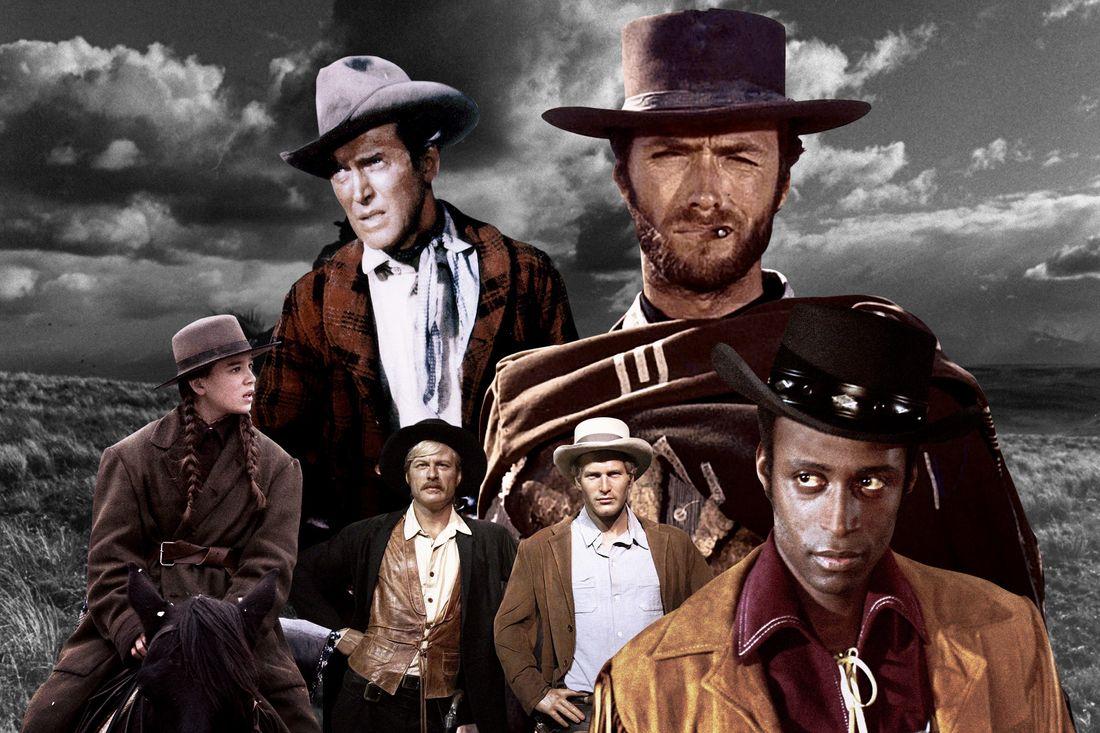
Navigating the terrain of classic Westerns like The Searchers involves a delicate dance between appreciating their cinematic brilliance and acknowledging the dated cultural perspectives they often portray. On one hand, these films are celebrated for their groundbreaking storytelling, iconic performances, and influence on the genre. Yet, modern sensibilities compel us to scrutinize the underlying narratives and stereotypes, particularly in their depiction of Native Americans and the glorification of colonial expansion.
As audiences today, we might consider the following aspects when evaluating such films:
- Historical Context: Understanding the time period in which these films were made can provide insight into the prevailing attitudes and why certain tropes were utilized.
- Cultural Impact: Assessing how these films have shaped public perception and whether they continue to perpetuate outdated stereotypes.
- Artistic Value vs. Ethical Concerns: Balancing appreciation for the film’s artistry with a critical view of its ethical implications.
By examining these elements, we can foster a more nuanced discussion about the relevance and reception of Westerns in today’s cultural landscape.
Guidelines for Responsible Viewing and Discussion
When engaging with classic films like The Searchers, it’s crucial to approach the material with a nuanced understanding. Here are some key considerations to keep in mind:
- Historical Context: Acknowledge the time period in which the film was made and the prevalent social norms and values of that era.
- Cultural Sensitivity: Be aware of and respect the diverse perspectives and experiences of those represented—or misrepresented—on screen.
- Critical Analysis: Engage in thoughtful critique rather than outright dismissal. Consider what the film can teach us about past attitudes and how they inform present-day conversations.
Facilitating open discussions can also enhance our understanding. Encourage dialogue that allows for different viewpoints and fosters a deeper appreciation for the complexities involved. Consider these strategies:
- Active Listening: Listen to others’ perspectives without immediately forming a rebuttal.
- Respectful Debate: Challenge ideas, not individuals. Aim to understand before seeking to be understood.
- Continual Learning: Be open to revising your opinions as you gain new insights from the conversation.