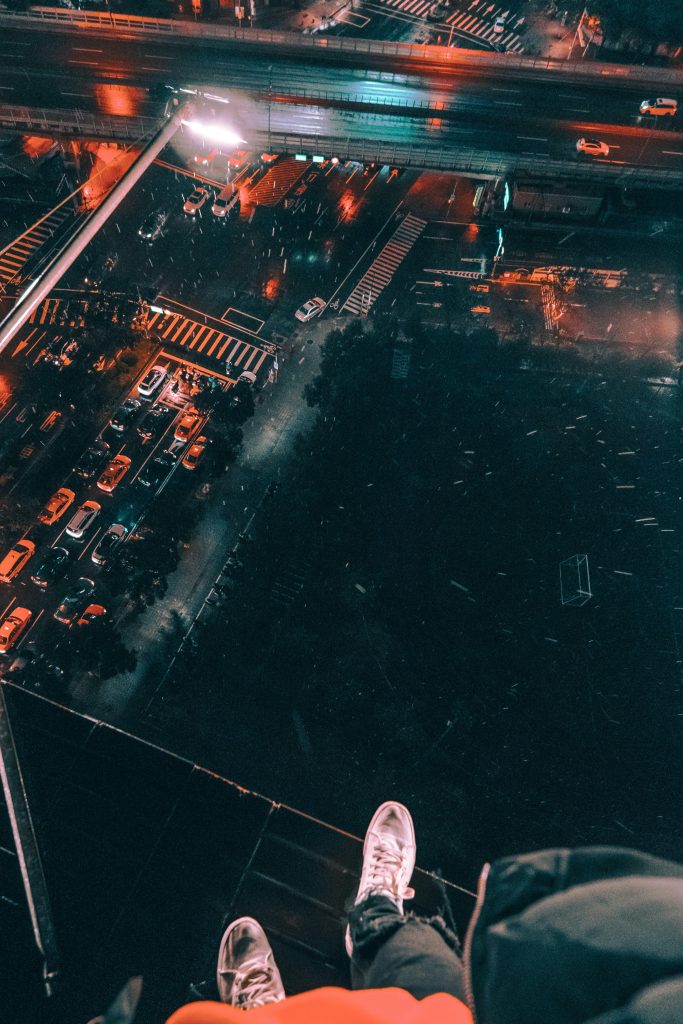
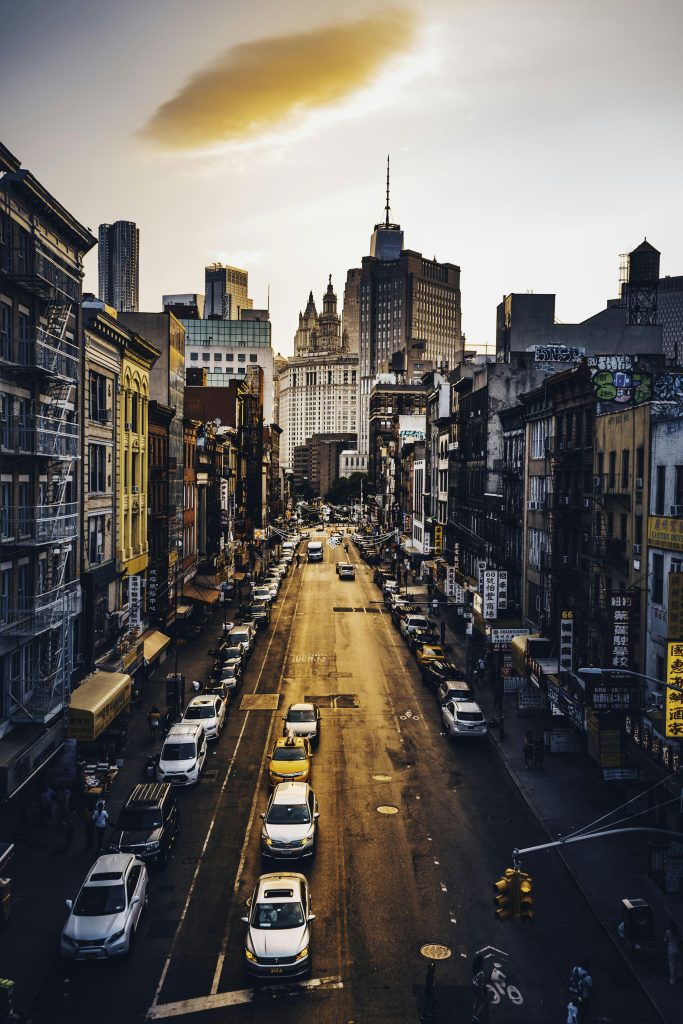
In the grand tapestry of cinema, where stories weave through time and emotion, there lies a visual language that transcends dialogue and narrative. Cinematography, the art of painting with light and shadow, beckons us to witness the world through an extraordinary lens. It’s a realm where each frame is a canvas, meticulously crafted to evoke wonder, stir the soul, and etch moments into our collective memory. Welcome to a journey through the mesmerizing landscapes of film, where every shot is a testament to the magic that happens when vision meets artistry. In this exploration, we unveil a curated selection of movies that are not just to be watched, but to be savored, celebrated, and admired for their breathtaking cinematography. Prepare to immerse yourself in the visual symphony that elevates cinema from mere storytelling to an exquisite form of art.
Visual Poetry on Screen Masterpieces of Light and Shadow
In the realm of cinema, some films transcend storytelling to become moving canvases where light and shadow play the lead roles. These are not just movies; they are visual symphonies orchestrated by the masters of cinematography. Roger Deakins and Emmanuel Lubezki are among those whose works are a testament to the power of visual poetry. If you’re ready to immerse yourself in films that captivate with their visual splendor, here’s a curated list that will leave you spellbound:
- Blade Runner 2049 – A futuristic masterpiece where every frame is a meticulously crafted painting.
- The Revenant - Experience the raw beauty of nature through the lens of natural light.
- In the Mood for Love – A film that uses shadows to tell a story of longing and unspoken desires.
- Mad Max: Fury Road - Witness the desert landscapes come alive with vibrant colors and dynamic compositions.
- Roma – A monochrome journey that finds depth in simplicity and the ordinary.
Each of these films is a masterclass in using the camera not just to capture reality, but to sculpt it, to weave a narrative where silence speaks as eloquently as dialogue. They remind us that in the hands of a visionary, the screen becomes a canvas where light and shadow are the paint and brush, crafting images that linger long after the credits roll.
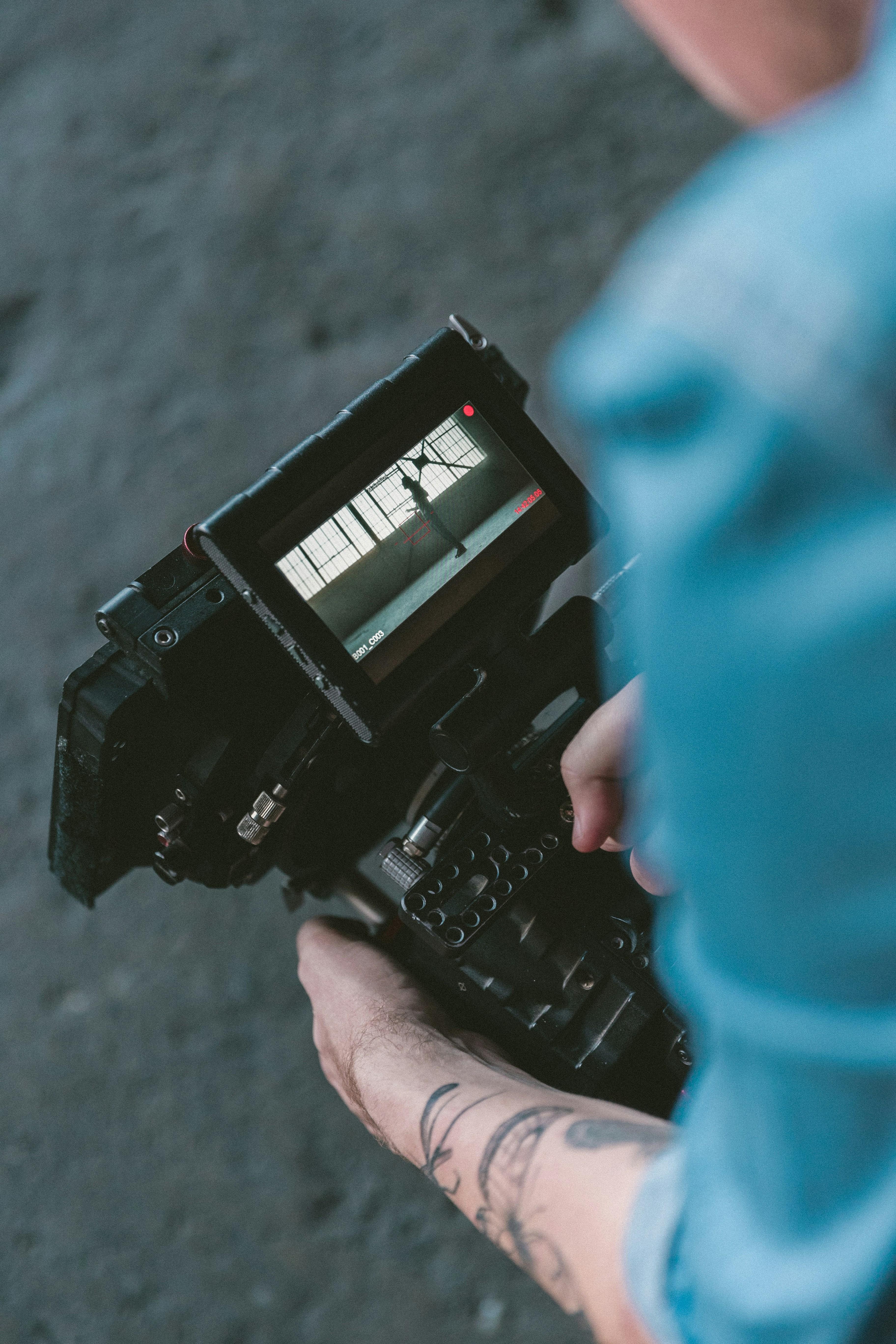
Journey Through the Lens Captivating Stories Told Through Color
In the world of cinema, some films transcend storytelling by weaving vibrant hues and striking visuals into their narratives. These masterpieces don’t just tell a story; they paint it. If you’re a connoisseur of visual artistry, you must explore the cinematic treasures that redefine what it means to experience a film. Here are a few you shouldn’t miss:
- Blade Runner 2049 – A symphony of neon and shadow, this film immerses you in a dystopian future where every frame is a carefully composed work of art.
- The Grand Budapest Hotel - Wes Anderson’s meticulous attention to detail and his signature pastel palette create a whimsical yet poignant journey through time.
- Mad Max: Fury Road – A relentless visual feast that uses vibrant, high-contrast colors to amplify the adrenaline-pumping chaos of a post-apocalyptic world.
- In the Mood for Love – Wong Kar-wai crafts a lush, emotionally charged tapestry with rich colors and intimate framing that speaks volumes in every glance and gesture.
- Life of Pi – This film transforms the ocean into a canvas of surreal beauty, where color and light become as pivotal as the story itself.
These films showcase how color and cinematography can elevate a movie beyond mere entertainment, creating an immersive experience that lingers long after the credits roll.
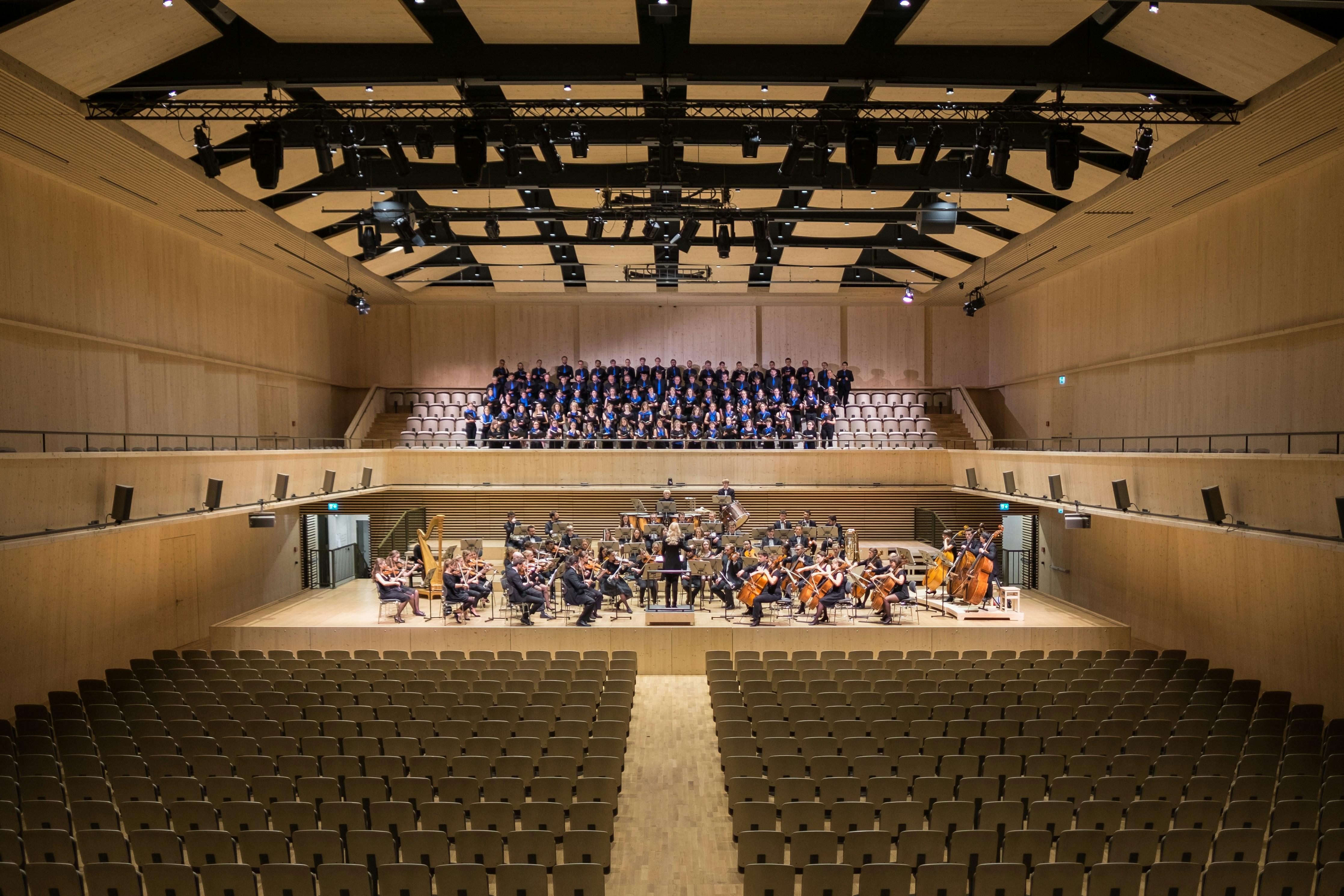
Cinematic Symphony Films That Dance with Light and Texture
In the realm of film, some masterpieces transcend storytelling to become visual poetry, offering a feast for the eyes that lingers long after the credits roll. These are the films where light dances and texture breathes, crafting a symphony of visuals that elevate the cinematic experience to an art form. Here are a few must-see films renowned for their breathtaking cinematography:
- Blade Runner 2049 – A neo-noir spectacle where every frame is a meticulously painted canvas, drenched in neon and shadow.
- The Tree of Life – A visual odyssey through time and space, weaving the delicate interplay of light and nature into an ethereal tapestry.
- In the Mood for Love – A masterclass in color and composition, where every scene is a symphony of hues and textures that echo the film’s emotional depth.
- Mad Max: Fury Road – A kinetic whirlwind where the stark desert landscape becomes a canvas of explosive color and dynamic motion.
These films not only tell stories but also engage the viewer in a visual dialogue that speaks to the very essence of cinema as an art form. Each offers a unique experience where light and texture are characters in their own right, inviting you to see the world through a lens of unparalleled beauty.
Frame by Frame Exploring the Artistry of Iconic Film Landscapes
In the realm of film, cinematography is not just a technique; it’s a vivid brush that paints the story on the canvas of the big screen. From sweeping vistas to intimate close-ups, these films use the camera to craft landscapes that linger in the mind long after the credits roll. As you embark on a visual journey through these cinematic masterpieces, prepare to be captivated by the sheer artistry that defines each frame.
- Blade Runner 2049 – A dystopian masterpiece that transforms desolation into beauty with its neon-lit cityscapes and vast barren landscapes.
- The Revenant – Nature’s raw and untamed beauty is captured in every scene, showcasing a wilderness both breathtaking and brutal.
- Mad Max: Fury Road – A high-octane visual feast where the post-apocalyptic desert is as much a character as the protagonists themselves.
- La La Land - A vibrant homage to Los Angeles, where the city becomes a dreamy backdrop for love and ambition.
- Life of Pi – An enchanting odyssey where the ocean and sky merge into a tapestry of color and light.
Each of these films offers a unique visual experience, inviting you to lose yourself in worlds meticulously crafted by the keen eye of the cinematographer. The artistry of these landscapes elevates the narrative, making each film not just a story to watch, but an experience to feel.