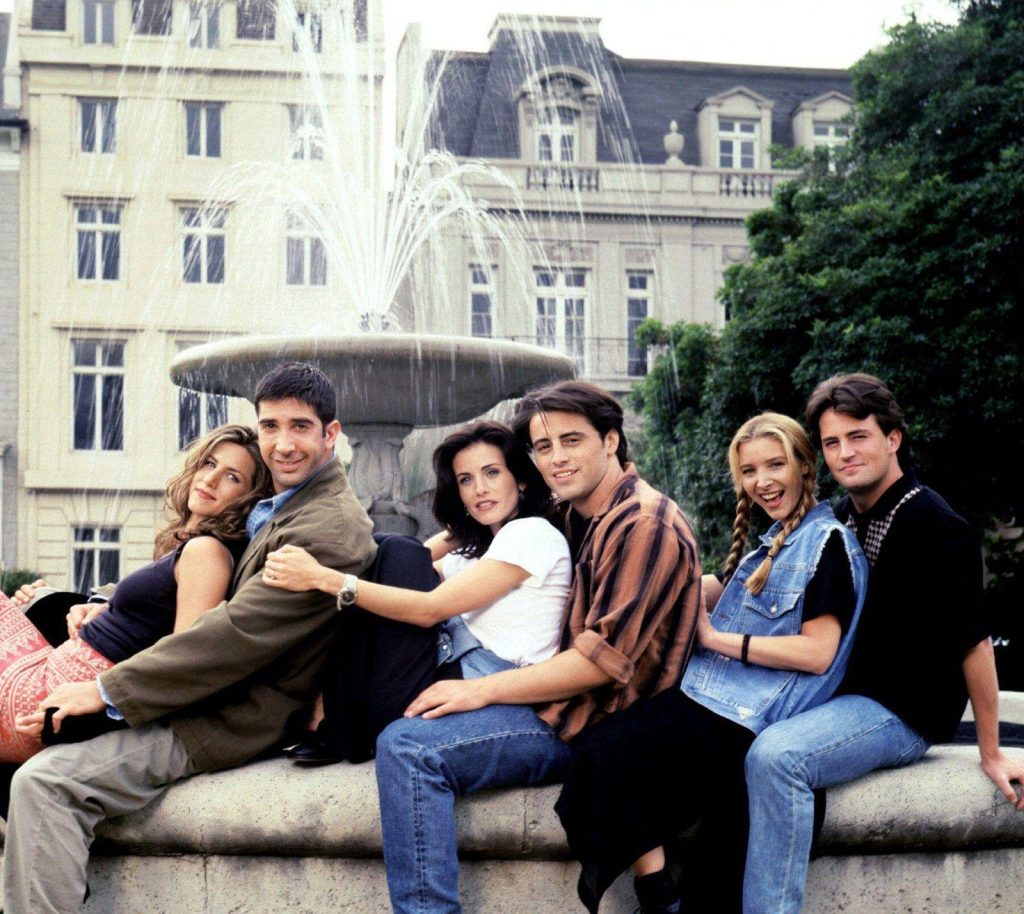
In the flickering glow of television screens, where laughter once echoed through living rooms like a comforting refrain, a question looms large: Is the golden age of sitcoms truly over? As we scroll through an endless array of streaming options, nostalgia nudges us back to a time when quirky characters and their timeless antics held us captive week after week. Yet, in this era of boundless choice and shifting viewing habits, the sitcom—a genre that once reigned supreme—faces an uncertain future. This article delves into the evolution of sitcoms, exploring whether their golden age has indeed faded into history or if it merely awaits a new dawn in the ever-changing landscape of entertainment.
Evolution of Humor in Modern Sitcoms
Over the years, sitcoms have transformed from the traditional family-centric setups to exploring diverse narratives and unorthodox comedic elements. Humor in modern sitcoms has become more nuanced and layered, often reflecting societal changes and embracing varied perspectives. This evolution can be seen in the shift from slapstick and laugh tracks to more subtle, character-driven comedy that resonates on multiple levels. Today’s sitcoms often blur the lines between comedy and drama, offering a richer and more complex viewing experience.
- Character Development: Characters have become more three-dimensional, with humor often stemming from their growth and interactions.
- Cultural References: Modern sitcoms frequently incorporate contemporary cultural references, making them relatable to current audiences.
- Social Commentary: Many shows use humor to address social issues, providing a platform for discussion while entertaining viewers.
- Innovative Formats: Experimentation with storytelling formats, such as mockumentaries and nonlinear narratives, has become more common.
While some argue that the golden age of sitcoms may be over, others believe that the genre is simply evolving to meet the demands of a changing audience. This shift has opened doors to fresh narratives and innovative comedic approaches, ensuring that humor continues to play a vital role in modern television.
The Impact of Streaming Platforms on Traditional Sitcoms
In recent years, the emergence of streaming platforms has revolutionized the way audiences consume television content, and traditional sitcoms have not been immune to this seismic shift. Streaming platforms have introduced a new level of accessibility and choice, offering viewers a vast library of shows at their fingertips. This shift has led to the fragmentation of audiences, who now have the ability to curate their own viewing experiences. As a result, sitcoms, which once dominated network television and brought families together for prime-time viewing, face new challenges in capturing the attention of a diverse and selective audience.
- Binge-watching has become a cultural phenomenon, allowing viewers to consume entire seasons in one sitting, thus altering traditional viewing patterns.
- Content diversity on streaming platforms means that sitcoms now compete with a wide array of genres, from gripping dramas to innovative reality shows.
- Global reach of streaming services allows sitcoms to transcend cultural boundaries, yet they must also resonate with international audiences.
Despite these challenges, the landscape is not entirely bleak for sitcoms. Some have successfully adapted by embracing new storytelling techniques and diverse narratives that reflect contemporary society. This evolution suggests that while the golden age of sitcoms as we once knew it may be over, a new era, shaped by digital innovation and global connectivity, is on the horizon.
Analyzing Audience Preferences in the Age of Digital Entertainment
In the landscape of digital entertainment, understanding what resonates with audiences is more crucial than ever. The shift from traditional TV to streaming platforms has introduced a myriad of content choices, each vying for viewer attention. This evolution has also sparked debates about whether the beloved era of sitcoms is fading into obscurity. Audience preferences have diversified, influenced by the rise of platforms like Netflix, Hulu, and Amazon Prime, which offer a mix of genres and formats that cater to niche interests.
- On-Demand Culture: Audiences now expect instant access to entire seasons, favoring binge-watching over weekly episodes.
- Variety and Representation: Viewers are drawn to content that reflects diverse stories and perspectives, often missing in traditional sitcoms.
- Interactive Engagement: Shows that encourage viewer interaction or have a strong online community presence are increasingly popular.
While sitcoms still hold nostalgic value and draw significant viewership, the current era demands more dynamic storytelling approaches. Producers are challenged to adapt by incorporating elements of drama, reality, and even sci-fi into comedic narratives to keep up with these evolving preferences. Thus, the golden age of sitcoms may not be over but is undeniably transforming in response to the complex tapestry of modern audience tastes.

Strategies for Reviving the Classic Sitcom Format
The sitcom genre, once a staple of television, can be revitalized by embracing both traditional elements and contemporary sensibilities. Character-driven narratives remain the heart of any great sitcom. Crafting relatable, multifaceted characters allows for both comedic and emotional depth, ensuring audiences can connect on a personal level. Additionally, incorporating diverse storylines that reflect modern societal issues can breathe new life into classic formats, resonating with today’s viewers who seek representation and authenticity.
- Innovative Story Arcs: Blend episodic content with overarching storylines to maintain viewer engagement over time.
- Mixed Media Integration: Use social media platforms to create interactive experiences, expanding storylines beyond the screen.
- Fresh Formats: Experiment with episode length and distribution, such as short-form content or streaming service exclusives.
By combining these strategies, creators can craft sitcoms that honor the past while capturing the interest of contemporary audiences, ensuring the genre remains relevant and beloved.