The enduring legacy of “The Godfather” as the quintessential mob movie is a testament to its unparalleled influence and craftsmanship in the realm of cinema. Since its release in 1972, Francis Ford Coppola‘s masterpiece has not only defined the genre but has also set an insurmountable standard for storytelling, character development, and thematic depth. As we delve into the intricacies of what makes “The Godfather” an unparalleled benchmark in mob cinema, it becomes clear that its staying power is rooted in a meticulous blend of narrative brilliance, cultural resonance, and an evocative portrayal of power dynamics. This article aims to dissect the elements that have enshrined “The Godfather” as the ultimate mob movie, exploring its impact on both audiences and the film industry at large, while examining how it continues to captivate and influence generations of filmmakers and viewers alike.
Cinematic Mastery and Storytelling Depth
The Godfather is not just a film; it is a masterclass in cinematic storytelling that transcends its genre to explore the complexities of power, family, and morality. Directed by Francis Ford Coppola, the movie showcases an unparalleled level of storytelling depth through its meticulous character development and intricate plot. Each scene is crafted with precision, serving as a piece of a larger narrative puzzle that captures the viewer’s attention from beginning to end.
- Character Complexity: The film presents characters that are neither entirely good nor evil, allowing for a nuanced exploration of their motivations and moral ambiguities.
- Visual Symbolism: Coppola’s use of lighting and cinematography conveys themes of corruption and redemption, turning each frame into a canvas of storytelling.
- Dialogues and Script: The dialogue is a study in itself, rich with subtext and layered meanings that reveal the characters’ inner conflicts and aspirations.
These elements come together to create a tapestry of narrative brilliance, making The Godfather a quintessential example of how cinematic artistry can elevate a story to timeless relevance. It is this fusion of technical mastery and profound storytelling that ensures its enduring legacy as the ultimate mob movie.

Complex Characters and Moral Ambiguity
One of the most compelling aspects of The Godfather is its rich tapestry of complex characters and the moral ambiguity that shrouds their actions. The Corleone family, at the center of the narrative, is portrayed not just as ruthless criminals but as individuals driven by a code of honor and familial loyalty. This intricate portrayal challenges viewers to question the boundaries between right and wrong, blurring the lines in a way that is both unsettling and fascinating.
- Michael Corleone: Initially depicted as the family’s reluctant heir, Michael’s transformation from a war hero to a calculating mob boss is a masterclass in character development. His journey raises questions about the nature of power and the sacrifices made in its pursuit.
- Vito Corleone: As the patriarch, Vito is a figure of both respect and fear. His decisions are driven by a deep sense of justice, albeit one that operates outside the law. This duality offers a nuanced perspective on leadership and morality.
These characters embody the film’s exploration of moral complexity, making The Godfather not just a mob movie, but a profound study of human nature and the choices that define us.
Cultural Impact and Enduring Legacy
The influence of The Godfather extends beyond its gripping narrative and complex characters, embedding itself deeply into the fabric of popular culture. It has set the benchmark for the portrayal of organized crime, offering a nuanced exploration of family loyalty, power, and morality. This cinematic masterpiece transcends its genre, becoming a touchstone for both filmmakers and audiences alike. Its impact is evident in numerous facets of media and society, making it a reference point for understanding the dynamics of power and corruption.
- Influence on Filmmaking: Directors and screenwriters frequently cite The Godfather as a major inspiration, emulating its storytelling techniques and character development.
- Iconic Quotes: Lines like “I’ll make him an offer he can’t refuse” have permeated everyday language, symbolizing persuasive power.
- Character Archetypes: The film’s portrayal of the mafia has created lasting archetypes that continue to influence the depiction of organized crime in media.
- Enduring Themes: Its exploration of themes such as loyalty, betrayal, and the American Dream resonates across generations, ensuring its relevance.
Through its masterful direction, unforgettable performances, and profound themes, The Godfather has secured its place not just as a quintessential mob movie, but as a pivotal piece of cinematic history that continues to shape and inspire the world of film.

Influence on Modern Filmmaking Techniques
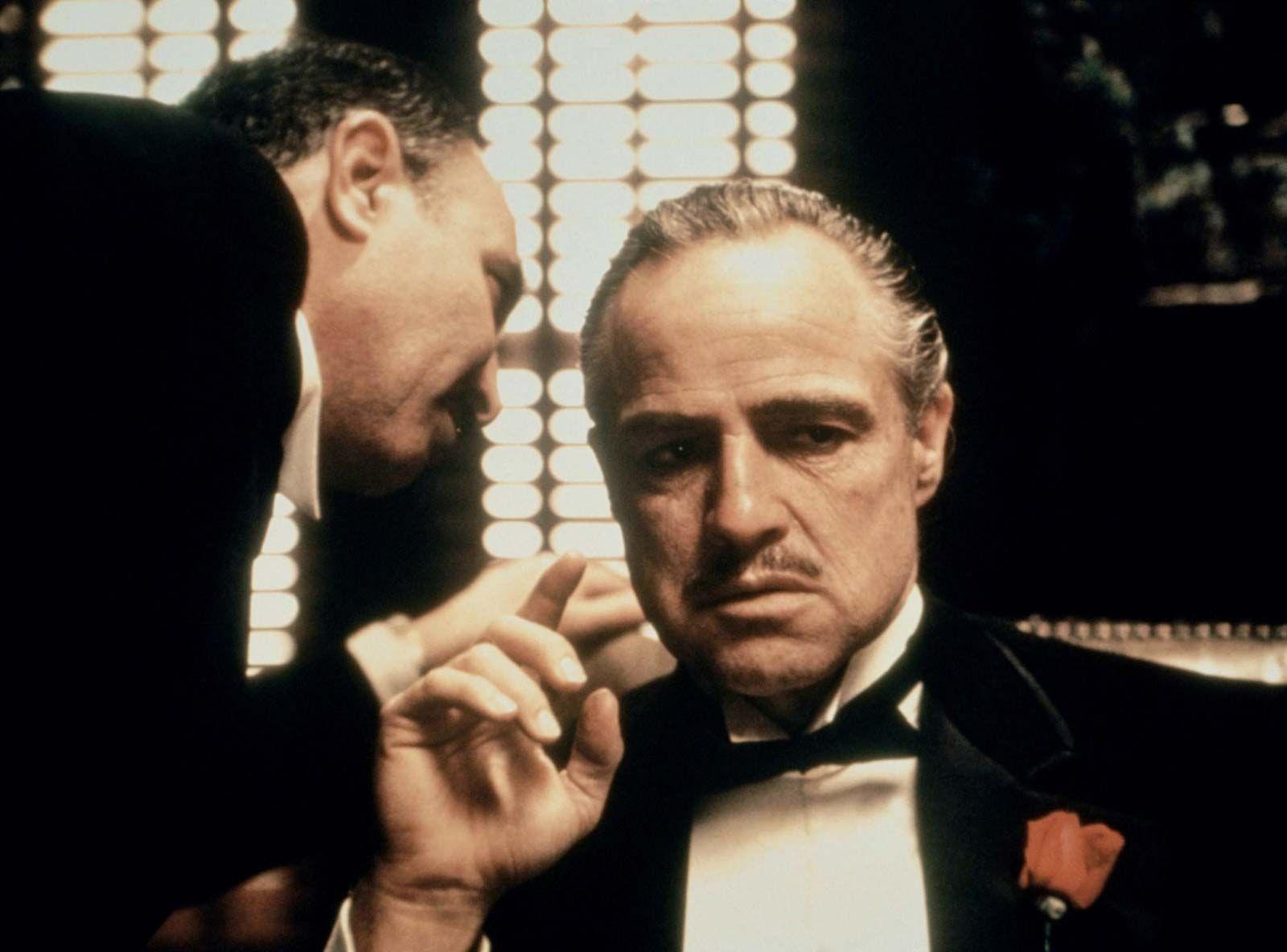
Francis Ford Coppola’s masterpiece, “The Godfather,” has not only etched its place in cinematic history but has also profoundly influenced modern filmmaking techniques. The film’s use of lighting, particularly its groundbreaking chiaroscuro style, has become a textbook example for filmmakers aiming to evoke mood and tension. By strategically using shadows and light, Coppola created a visual metaphor for the moral ambiguity and duality of the characters, a technique now emulated in countless films across genres.
- Non-linear storytelling: “The Godfather” popularized the use of flashbacks and parallel narratives, enabling directors to weave intricate plots that keep audiences engaged and guessing.
- Character depth: The film’s focus on complex character development has set a new standard, encouraging filmmakers to create multifaceted characters that resonate with viewers long after the credits roll.
- Music integration: Nino Rota’s haunting score is a testament to how a well-integrated soundtrack can elevate the narrative, a technique widely adopted in contemporary cinema.
These techniques, among others, demonstrate the film’s enduring impact on the art of storytelling in cinema, cementing “The Godfather” as a pivotal influence in the evolution of modern filmmaking. As directors continue to draw inspiration from Coppola’s work, the film remains a benchmark for creative excellence and innovation in the industry.