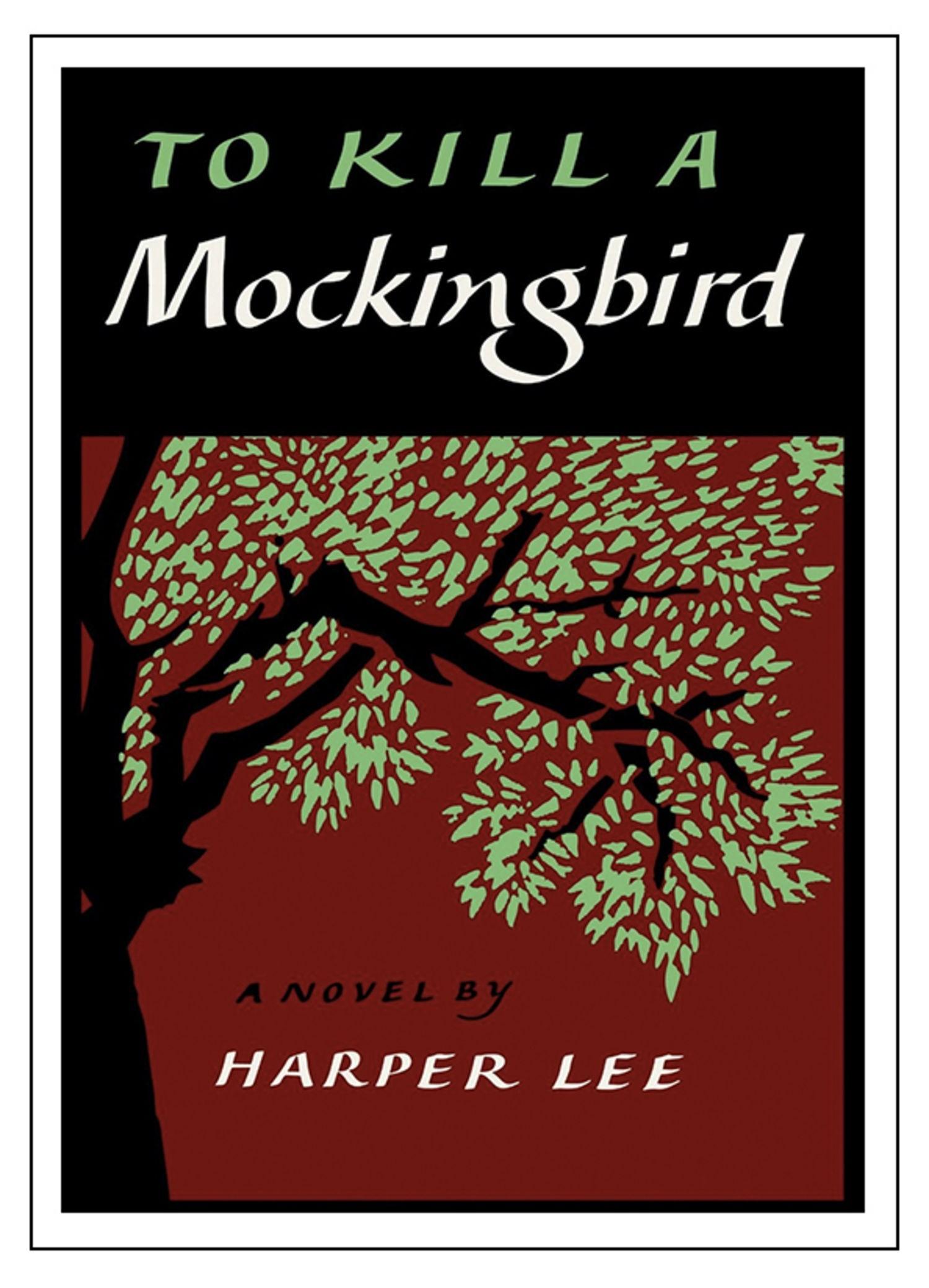
In the vast landscape of cinematic adaptations, where pages are transformed into moving images, few films have managed to capture the essence of their literary origins as poignantly as “To Kill a Mockingbird.” Harper Lee’s seminal novel, with its profound exploration of morality, justice, and human empathy, has resonated with readers for decades. The 1962 film adaptation, directed by Robert Mulligan and starring Gregory Peck as the indomitable Atticus Finch, is often heralded as a masterful translation from text to screen. But does it truly stand as the pinnacle of literary adaptations in film history? As we delve into this intriguing question, we will examine the nuances of the adaptation process, the film’s fidelity to its source material, and its enduring impact on audiences and critics alike. Through this exploration, we aim to uncover whether “To Kill a Mockingbird” holds the coveted title of the best literary adaptation, or if other contenders might lay claim to this distinguished honor.
From Page to Screen Examining the Essence of Harper Lees Classic
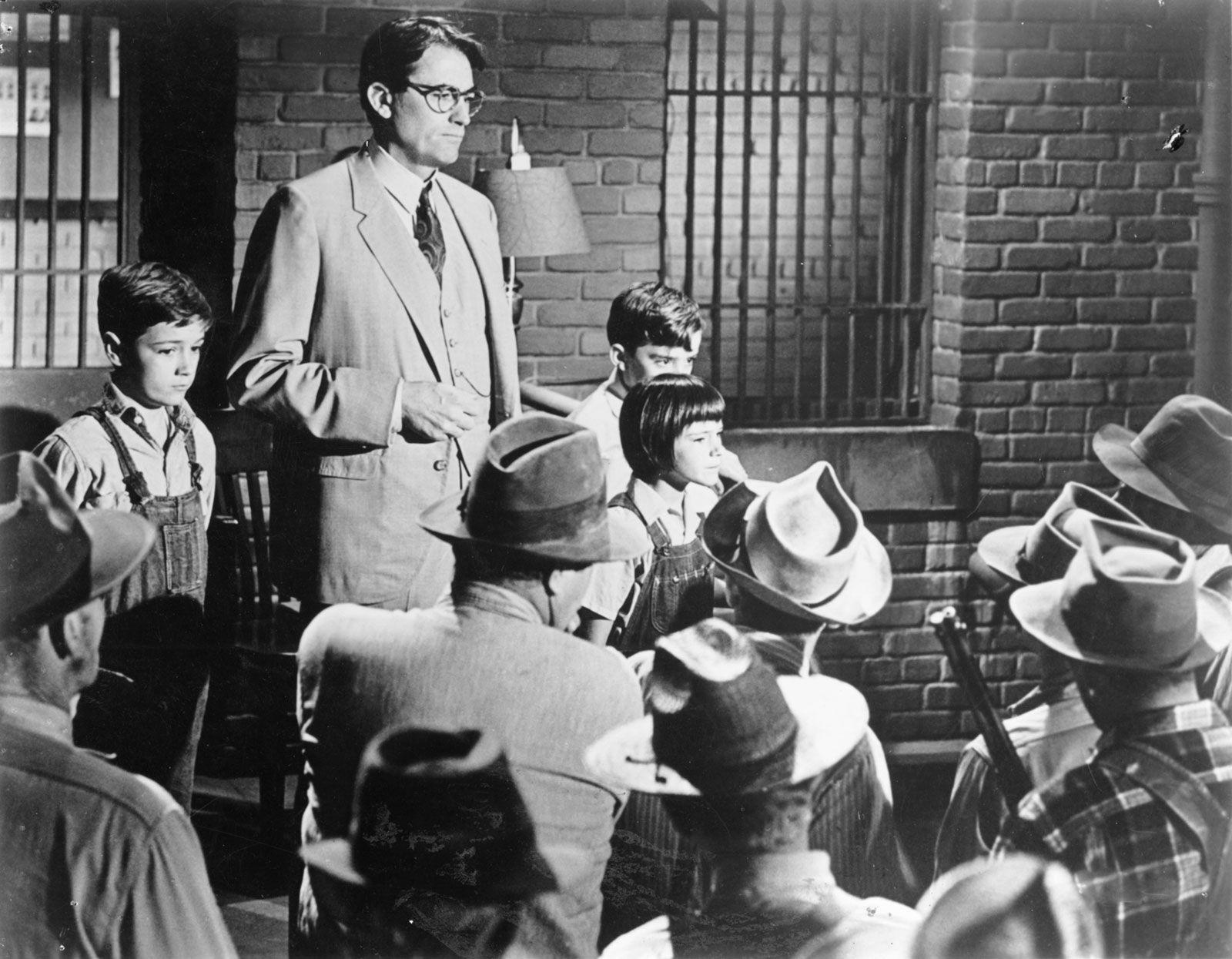
When Harper Lee’s masterpiece transitioned from the written word to the silver screen, it posed a significant question: could the profound intricacies of Maycomb, Alabama, and its iconic characters be effectively captured in a visual medium? Gregory Peck’s portrayal of Atticus Finch, with his quiet strength and unwavering moral compass, arguably became a cinematic benchmark, offering audiences a visual embodiment of the novel’s thematic core. The film’s black-and-white cinematography and careful attention to the Southern atmosphere evoke a timeless quality, reminiscent of Lee’s poignant narrative style.
- The courtroom scenes retain their intensity and gravitas, echoing the novel’s examination of justice and racial prejudice.
- Key characters like Scout and Jem maintain their youthful innocence and curiosity, which is beautifully translated on screen, ensuring that the heart of Lee’s story remains intact.
- Director Robert Mulligan’s adaptation is often lauded for its faithful representation of the book’s spirit, balancing its social commentary with moments of tender humanity.
While many literary adaptations falter in preserving the original work’s essence, “To Kill a Mockingbird” continues to stand out as a rare success, seamlessly blending literary depth with cinematic artistry. This adaptation remains a powerful testament to the enduring impact of Lee’s narrative, proving that sometimes, a film can indeed do justice to its literary origins.
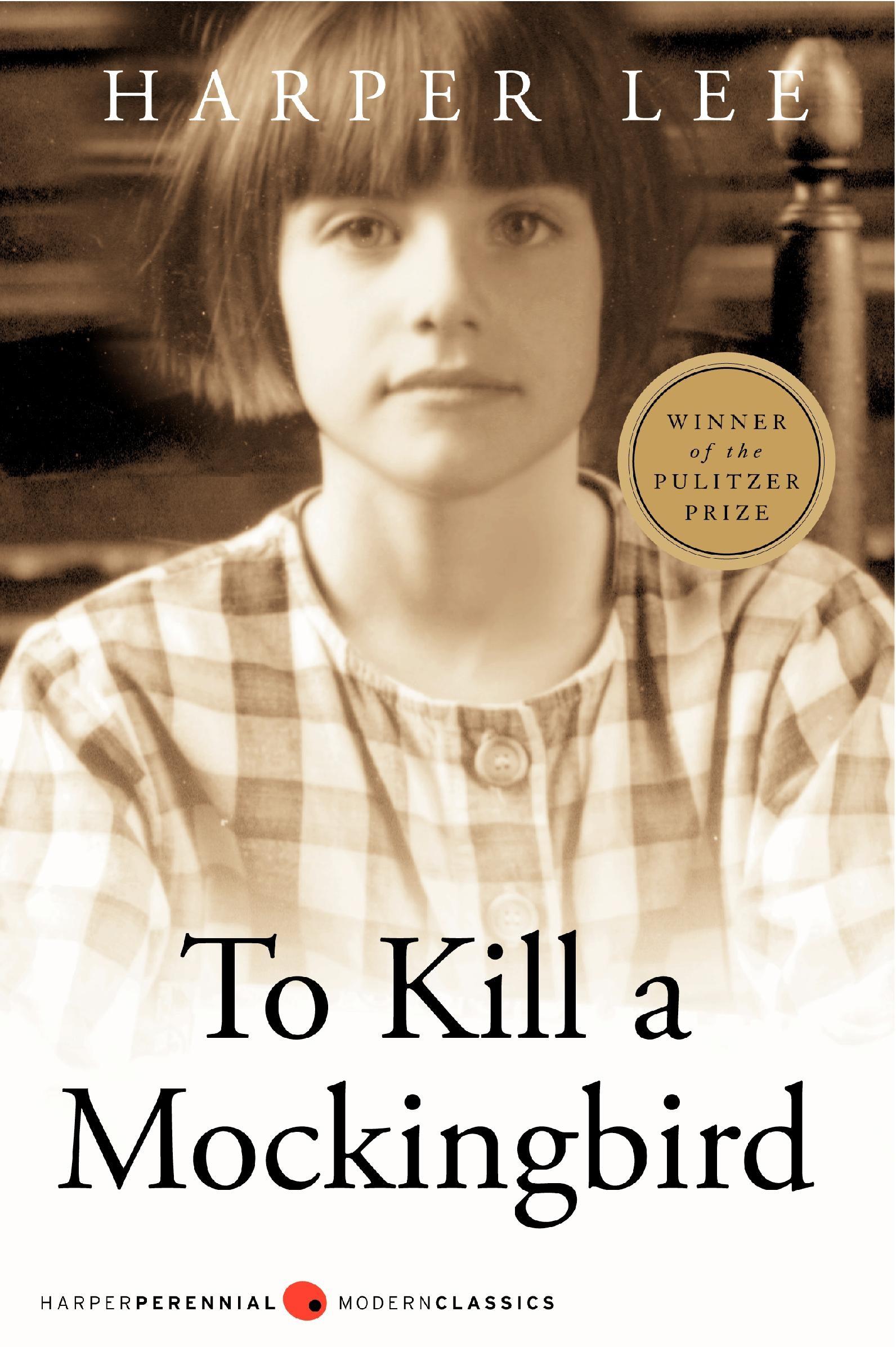
Cinematic Brilliance or Missed Potential Analyzing Key Adaptation Choices
The film adaptation of To Kill a Mockingbird is often heralded as a masterpiece, but does it truly encapsulate the depth of Harper Lee’s novel, or does it leave some stones unturned? One of the key choices in the adaptation process was the emphasis on visual storytelling, which brought to life the atmospheric tension of Maycomb. The film’s black-and-white cinematography serves as a powerful tool, capturing the stark contrast between innocence and prejudice. However, some critics argue that the film’s focus on the trial scene overshadows the novel’s exploration of childhood and growth, potentially missing the broader spectrum of Scout’s internal journey.
While the film succeeds in delivering a compelling courtroom drama, certain elements from the book are inevitably condensed or omitted. Consider the following aspects that spark debate among enthusiasts:
- The nuanced character development of Atticus Finch—is his portrayal too idealized in the film?
- The symbolism of the mockingbird, which some feel is less pronounced in the movie.
- Subplots and side characters—does the film do justice to the likes of Boo Radley and Calpurnia?
Ultimately, whether the adaptation is seen as cinematic brilliance or a missed opportunity depends largely on what aspects of the novel one holds dear. The film remains a significant cultural artifact, yet the conversation about its adaptation choices continues to provoke thought and discussion.
Character Depth and Narrative Flow A Closer Look at Storytelling Techniques
When analyzing character depth and narrative flow within cinematic adaptations, “To Kill a Mockingbird” serves as a masterclass in storytelling. The film captures the nuanced complexity of Harper Lee’s characters, particularly Atticus Finch, whose moral integrity and quiet strength resonate deeply with audiences. Through skillful direction and a faithful script, the film offers a seamless narrative that mirrors the book’s exploration of racial injustice and human empathy. The performances bring an added layer of authenticity, transforming the characters from the page to the screen with remarkable fidelity.
- Subtle Characterization: The film uses visual cues and performance subtleties to enrich character portrayal.
- Consistent Tone: Maintains the original novel’s tone, balancing tension and warmth.
- Focused Narrative: Streamlines the plot without sacrificing the depth of the story’s message.
Such meticulous attention to character development ensures that the adaptation retains the core essence of the novel while translating its profound themes into a visual medium. The narrative flow is neither rushed nor languid, allowing each scene to breathe, making it a compelling case for one of the best literary adaptations in film history.
Crafting a Legacy Recommendations for Future Literary Adaptations
As we contemplate the profound impact of Harper Lee’s To Kill a Mockingbird on both literature and film, the conversation inevitably turns to how future adaptations might capture the essence of classic novels. When crafting a legacy through cinematic adaptations, filmmakers should consider several key elements to ensure both fidelity to the source material and cinematic brilliance.
- Embrace Authenticity: Staying true to the narrative’s core themes and character arcs is essential. While creative liberties can enhance a story, they should not overshadow the original intent.
- Cast with Care: Selecting actors who not only resemble the characters physically but also embody their spirit can elevate an adaptation to new heights.
- Visual Storytelling: Utilize cinematography to enhance the emotional depth and atmosphere of the story. The right visual elements can bridge the gap between the written word and the screen.
- Thoughtful Screenwriting: Adaptations should capture the essence of the novel’s dialogue and narrative style, creating a script that feels both fresh and familiar.
By following these guidelines, filmmakers can aspire to create adaptations that not only honor the literary masterpieces they stem from but also stand as remarkable films in their own right. As the legacy of To Kill a Mockingbird endures, it serves as a benchmark for future adaptations striving to leave a lasting impression.