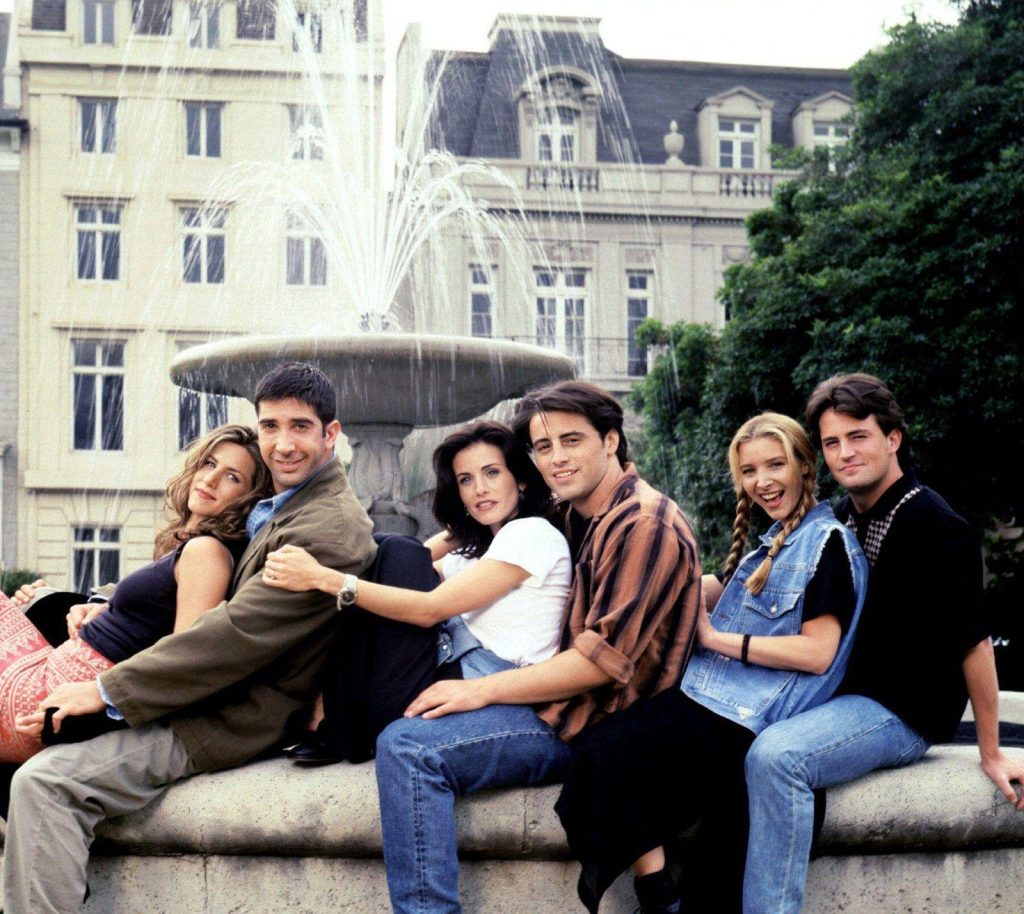
In the ever-evolving landscape of television, where remote controls serve as magic wands guiding viewers through a myriad of channels and streaming services, a debate quietly simmers beneath the surface of our screens. As audiences become increasingly discerning and socially conscious, creators find themselves at a crossroads: should TV shows prioritize diversity in their casts and narratives, or should they focus first on crafting compelling stories? This conundrum is not just about ticking boxes or adhering to formulas; it’s about weaving a tapestry that reflects the complexities of the world while still enchanting the viewer. In this article, we delve into the heart of this debate, exploring whether the pursuit of diversity enriches storytelling or if the essence of a good tale should always come first. Join us as we navigate the intricate dance between representation and narrative, where every choice holds the power to shape not only the stories we tell but the very society we mirror.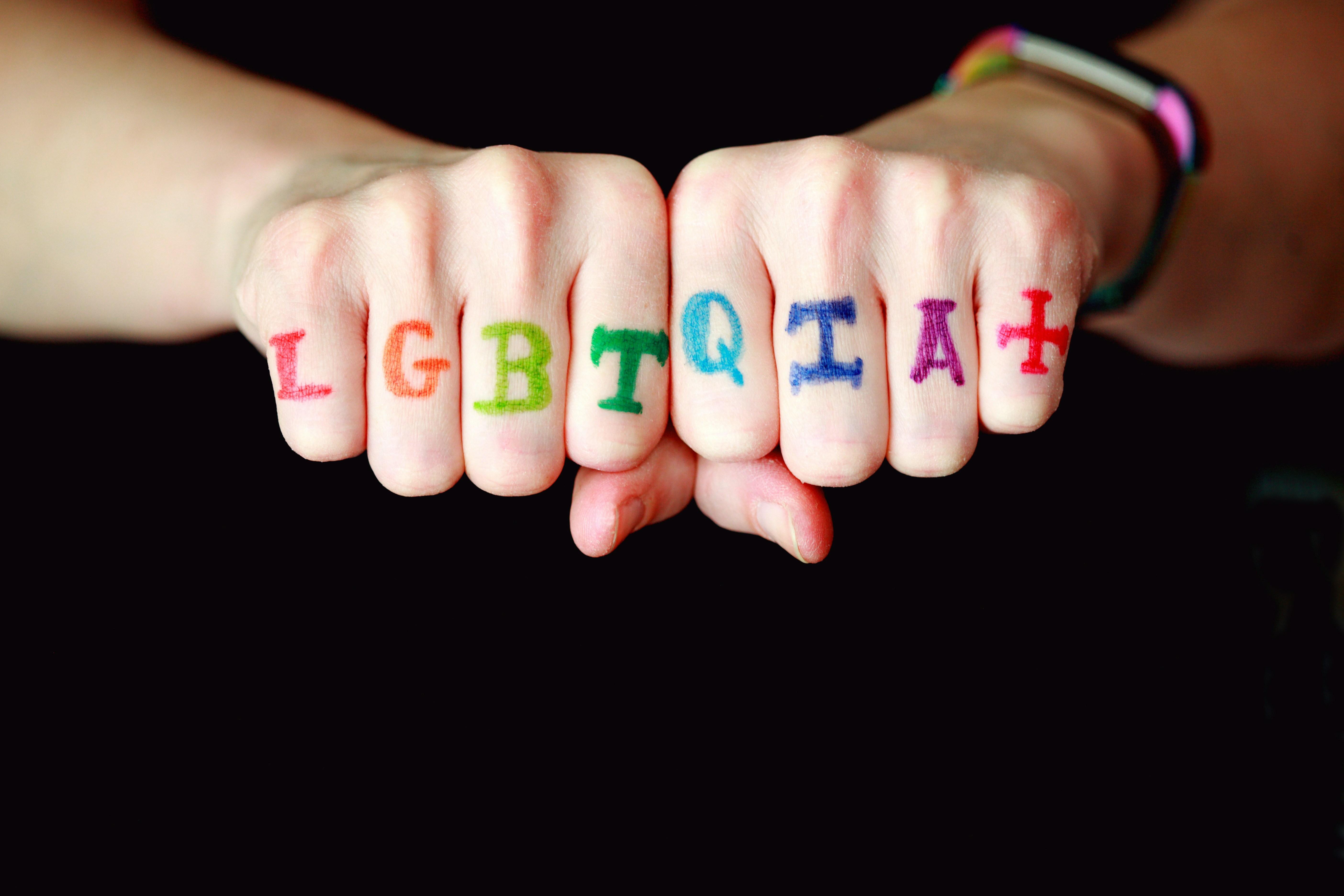 Diversity and Storytelling in Character Development“>Modern Television“>
Balancing Act: Diversity and Storytelling in Modern Television
In the evolving landscape of modern television, the question of whether to prioritize diversity or storytelling often arises. While some argue that a robust narrative is the backbone of any successful show, others emphasize the importance of diverse representation as a reflection of our multifaceted world. Diversity can bring fresh perspectives, enrich character development, and appeal to a broader audience. Conversely, a compelling story, irrespective of its cast, can captivate viewers and drive the cultural conversation forward.
- Enhanced Representation: Including diverse voices can lead to authentic storytelling that resonates with a wider demographic.
- Creative Depth: Diverse perspectives often introduce unique plotlines and conflicts, enriching the narrative fabric.
- Audience Engagement: A well-told story, regardless of its diversity, can attract and retain viewers through emotional and intellectual connections.
Ultimately, the art of television may not lie in choosing between diversity and storytelling but in finding a harmonious balance that honors both. By weaving diverse elements into the core of storytelling, shows can transcend traditional boundaries and create a more inclusive, dynamic viewing experience.

Crafting Narratives: Integrating Authentic Representation in TV Shows
In the evolving landscape of television, the integration of authentic representation within narratives is not just a trend but a pivotal element in storytelling. Creators are increasingly challenged to strike a balance between diversity and the depth of the storyline. On one hand, diverse representation allows audiences from various backgrounds to see themselves reflected on screen, fostering a sense of belonging and understanding. On the other hand, the core of any compelling show lies in its ability to weave intricate, engaging stories that captivate viewers. It is not a matter of choosing one over the other, but rather about finding a harmonious blend that respects both elements.
- Character Depth: Ensure characters from diverse backgrounds are portrayed with nuance and complexity, avoiding stereotypes.
- Inclusive Writing Teams: Employ writers from varied backgrounds to bring authentic voices and perspectives to the script.
- Story-Driven Diversity: Integrate diverse elements naturally within the storyline, allowing them to enhance rather than overshadow the narrative.
Ultimately, the objective is to create narratives that resonate universally while honoring individual stories. This approach not only enriches the viewing experience but also contributes to a more inclusive media landscape, reflecting the rich tapestry of human experience.
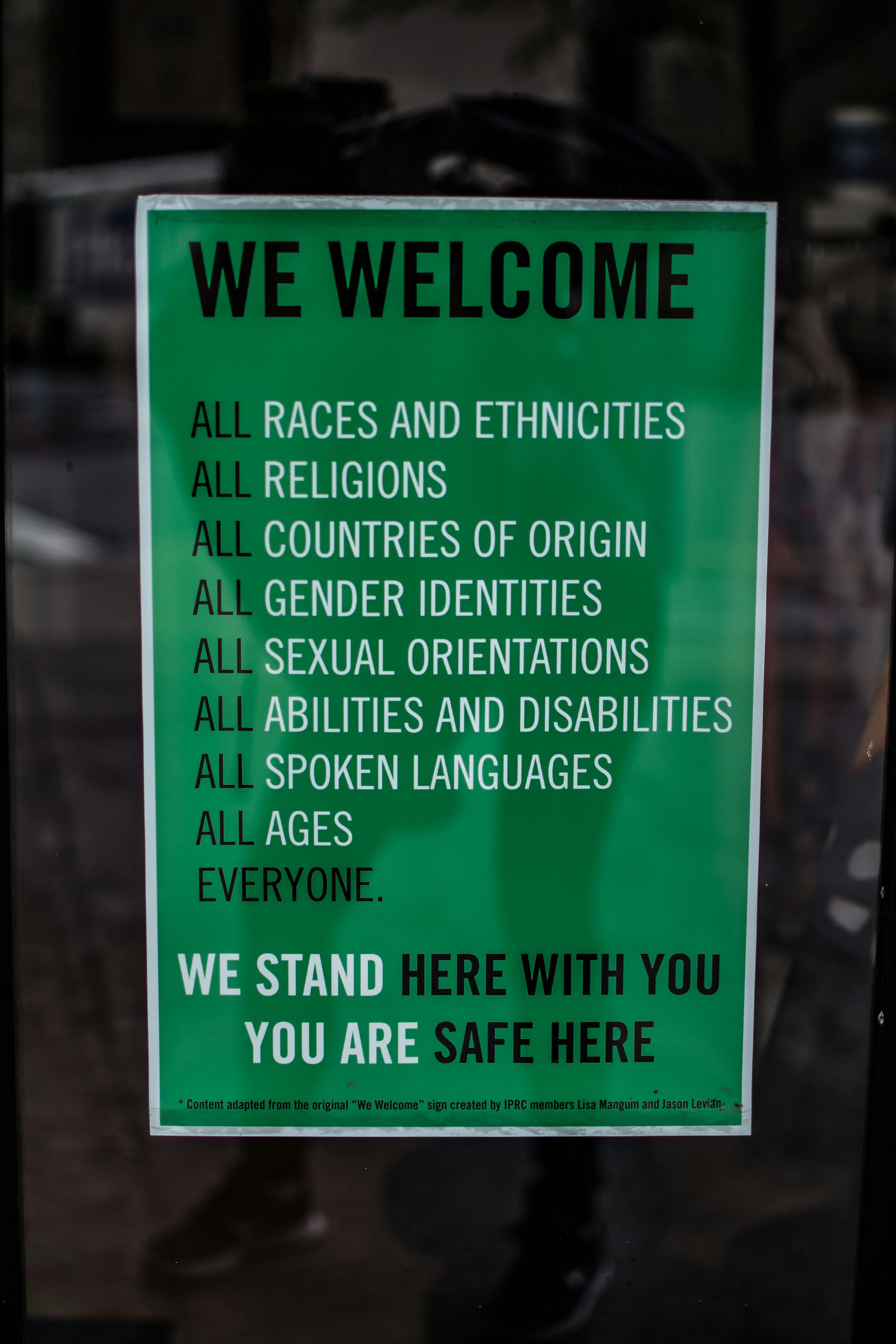
Navigating Viewer Expectations: The Impact of Diversity on Storytelling
In the evolving landscape of television, the balance between diversity and storytelling is a delicate dance. As audiences become more global and varied, their expectations for representation in media rise. Diversity, once a niche interest, has become a central pillar in crafting compelling narratives that resonate with a wide array of viewers. The impact of incorporating diverse voices and perspectives is profound, as it allows for a richer tapestry of stories that can transcend cultural and social boundaries.
- Authenticity: Stories grounded in authentic experiences and backgrounds offer a unique glimpse into worlds otherwise unseen.
- Relatability: Diverse characters can mirror the lives of many viewers, fostering a deeper connection with the audience.
- Innovation: New perspectives often lead to innovative storytelling techniques and plot developments that keep narratives fresh and engaging.
While some may argue that focusing solely on storytelling could suffice, the inclusion of diverse elements often enhances the narrative, making it more inclusive and multifaceted. The challenge lies in integrating these elements seamlessly, ensuring they serve the story rather than overshadow it. Thus, the question isn’t whether diversity or storytelling should come first, but how they can coexist to create meaningful and resonant television experiences.
Strategic Storytelling: Prioritizing Inclusion Without Compromising Plot
In the world of television, the art of weaving compelling narratives while ensuring inclusivity is a delicate balance that creators strive to master. Strategic storytelling demands a thoughtful approach where diversity is not merely a checkbox but an integral part of the plot. When characters from varied backgrounds are woven seamlessly into the story, they enrich the narrative, adding layers of depth and relatability. However, prioritizing inclusion should never mean compromising the essence of storytelling.
- Character Development: Diverse characters should be as multifaceted and dynamic as any other, with their backgrounds informing their actions and decisions in authentic ways.
- Plot Integration: Storylines that naturally incorporate diverse perspectives can illuminate unique cultural narratives without feeling forced or superficial.
- Audience Engagement: When inclusion is integrated thoughtfully, it resonates with a broader audience, fostering a connection that transcends demographics.
Ultimately, the goal is to craft stories that are both inclusive and compelling, ensuring that diversity enriches rather than dilutes the narrative. Through strategic storytelling, creators can celebrate diversity while maintaining the integrity and intrigue of their plots.