In the pantheon of cinematic masterpieces, few titles resonate as profoundly as “The Godfather” saga. The first two installments, with their intricate narratives and iconic performances, have long been enshrined in the halls of film classics. However, the third chapter, “The Godfather Part III,” has often lingered in the shadows of its predecessors, stirring debate among cinephiles and critics alike. As the decades have passed, this concluding piece of the Corleone saga invites a reevaluation: should it be considered a classic in its own right? This exploration delves into the film’s artistic merits, its place within the trilogy, and its cultural impact, seeking to unravel the complex legacy of a film that has both divided and intrigued audiences since its release.
Legacy and Evolution of The Godfather Saga
The intricate tapestry woven by the Godfather saga is a testament to its enduring influence on the cinematic world. Francis Ford Coppola’s magnum opus has not only defined the crime genre but has also become a blueprint for storytelling that balances the personal with the epic. While The Godfather Part III often stands in the shadow of its predecessors, its contribution to the saga’s legacy should not be overlooked. It encapsulates themes of redemption, the relentless passage of time, and the haunting nature of past sins.
- Character Development: The evolution of Michael Corleone is a central thread, portraying a man caught between the pursuit of legitimacy and the inescapable pull of his criminal past.
- Narrative Complexity: The film delves into the intricate web of power, politics, and family, offering a nuanced perspective on the consequences of ambition.
- Cultural Impact: Despite mixed reviews, its moments of brilliance have cemented it as an integral piece of the Godfather saga, resonating with audiences who appreciate its reflective depth.
In revisiting The Godfather Part III, one can appreciate its unique place in the trilogy, where it serves as a poignant coda to the Corleone family’s saga. Its legacy, though complex, is undeniably interwoven with the rich fabric of its predecessors, inviting a reconsideration of its status within the pantheon of classic cinema.

Cinematic Techniques and Narrative Depth
The Godfather Part III often finds itself in the shadow of its predecessors, yet it employs a rich tapestry of cinematic techniques that warrant appreciation. Director Francis Ford Coppola, with his signature flair, weaves intricate visual storytelling through meticulous set design and lighting. The use of chiaroscuro lighting creates a visual tension that mirrors the moral ambiguity of its characters, while the film’s editing style employs both rapid cuts and lingering shots to accentuate moments of high drama and introspection.
- Symbolic Imagery: The recurring motifs, such as the oranges symbolizing impending doom, add layers of meaning.
- Parallel Editing: The climactic opera scene intercuts between performance and assassination, heightening suspense.
- Sound Design: A haunting score complements the narrative, enhancing the emotional weight of pivotal scenes.
In terms of narrative depth, the film ambitiously delves into themes of redemption, legacy, and the corrosive nature of power. Michael Corleone’s character arc is central, exploring his struggle for atonement against the backdrop of familial and criminal obligations. While some critics argue that the plot meanders, others appreciate the introspective focus that offers a poignant, albeit flawed, conclusion to the Corleone saga.
Critical Reception and Cultural Impact
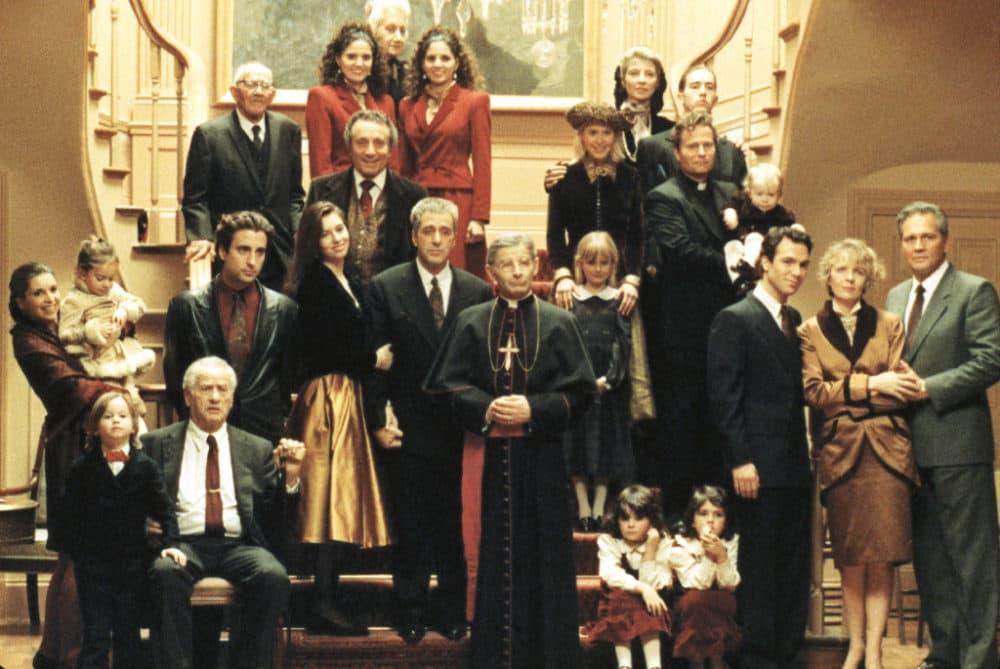
Upon its release, The Godfather Part III faced mixed reviews from critics and audiences alike. While some praised it for its ambitious storytelling and the weight of its familial themes, others criticized it for not living up to the monumental legacy of its predecessors. Despite these initial reactions, the film has seen a reevaluation over the years. Critics now often highlight its nuanced performances, particularly those of Al Pacino and Diane Keaton, and its rich, operatic conclusion. The movie’s intricate portrayal of redemption and consequence has begun to resonate with newer audiences, suggesting a complexity that was perhaps overlooked in its original reception.
The cultural impact of the film, although overshadowed by the iconic status of the first two installments, is undeniable. It has contributed to the broader discourse on the nature of legacy within cinema and has influenced filmmakers exploring similar themes of familial obligation and moral ambiguity. Key elements that have left a lasting impression include:
- Al Pacino’s portrayal of an aging Michael Corleone, which has been lauded for its depth and vulnerability.
- The film’s exploration of Catholic guilt and redemption, providing a unique lens through which to view the Corleone saga.
- The operatic climax, a masterclass in tension and tragedy, often cited as a testament to Francis Ford Coppola’s directorial prowess.
As a result, the film has garnered a cult following, prompting discussions about its place within the canon of classic cinema.

Revisiting The Godfather Part IIIs Place in Film History
When discussing the pantheon of cinematic masterpieces, the original Godfather films are often lauded for their monumental impact on the industry. Yet, the third installment, The Godfather Part III, often finds itself in the shadows of its predecessors. Critics and audiences alike have debated its merits, questioning whether it deserves the label of a classic. To understand its place in film history, one must consider its unique attributes and the context in which it was created.
- Evolution of Themes: The film delves deeper into themes of redemption and legacy, offering a reflective examination of Michael Corleone’s journey.
- Artistic Ambitions: Despite its mixed reception, the film showcases Francis Ford Coppola’s ambition to weave a complex narrative, bridging the past and present.
- Cultural Impact: Its exploration of power, family, and regret continues to resonate, sparking discussions on the nature of sequels and cinematic storytelling.
In the landscape of film history, The Godfather Part III challenges us to reconsider what defines a classic. Its contribution to the saga’s narrative arc and its attempt to offer closure to the Corleone family’s story demand a nuanced appreciation. As time passes, its stature may evolve, inviting future generations to judge it with fresh eyes.