In the realm of contemporary cinema, few films have sparked as much discussion and analysis as Quentin Tarantino‘s “Once Upon a Time in Hollywood.” Released in 2019, this cinematic tapestry weaves together the vibrant threads of 1969 Los Angeles, blending the lines between historical reality and fictional narrative with Tarantino’s signature flair. As both a love letter to the golden age of Hollywood and a meditation on the transformative power of film, this movie stands as a testament to Tarantino’s deep-seated reverence for the medium. In this analytical review, we delve into the layers of “Once Upon a Time in Hollywood,” examining how it serves not only as a nostalgic homage but also as a critical commentary on the ever-evolving landscape of cinema. Through an exploration of its intricate storytelling, rich character development, and meticulous attention to period detail, we uncover the ways in which Tarantino’s ninth feature film pays tribute to the art form he so passionately champions.
Analyzing Tarantinos Cinematic Homage in Once Upon a Time in Hollywood
Quentin Tarantino’s Once Upon a Time in Hollywood stands as a masterful homage to the golden age of cinema, drawing viewers into a world rich with nostalgia and cinematic reverence. The film meticulously reconstructs 1969 Los Angeles, capturing the era’s essence through a tapestry of cultural references, iconic locations, and an evocative soundtrack. Tarantino’s attention to detail is evident in his portrayal of the film industry at the time, where every frame is a loving tribute to the movies and television shows that shaped his artistic vision. The narrative weaves together the fictional journey of fading TV star Rick Dalton and his stunt double Cliff Booth with the real-life events surrounding the Manson Family, creating a blend of fact and fiction that pays tribute to the storytelling possibilities of cinema.
- Reimagining Hollywood History: The film reinterprets historical events with a sense of wistful longing, suggesting what could have been in a more idyllic Hollywood.
- Cameos and References: Tarantino infuses the film with appearances and nods to classic Hollywood figures, further embedding the story within its historical context.
- Soundtrack and Aesthetic: The carefully curated soundtrack and authentic set designs transport audiences back to the late ’60s, enhancing the film’s nostalgic quality.
Through these elements, Tarantino not only celebrates the magic of cinema but also invites viewers to reflect on its transformative power. The film is a love letter to a bygone era, highlighting the director’s enduring passion for the medium and his unique ability to blend homage with original storytelling.
Exploring the Films Rich Historical Context and Hollywood Nostalgia
Quentin Tarantino’s Once Upon a Time in Hollywood is a cinematic tapestry woven with the threads of both history and nostalgia, offering a vivid exploration of 1969 Los Angeles. The film is a love letter to the golden era of Hollywood, rich with intricate details that transport audiences back to a time when the film industry was undergoing a seismic shift. With painstaking attention to period-specific elements, Tarantino captures the essence of a bygone era through meticulously recreated settings, authentic costumes, and a soundtrack that pulsates with the vibrant sounds of the late ’60s.
- Historical Context: The film is set against the backdrop of the cultural upheaval of the late 1960s, a time marked by the counterculture movement, the rise of television, and the twilight of Hollywood’s studio system. Tarantino deftly incorporates real historical events, such as the Manson Family murders, to create a narrative that feels both familiar and fantastical.
- Hollywood Nostalgia: Through the lens of fading star Rick Dalton and his stunt double Cliff Booth, the film pays homage to the unsung heroes of cinema. The portrayal of these characters highlights the struggles and resilience of those trying to find their place in a rapidly changing industry, evoking a deep sense of nostalgia for an era when Hollywood was a land of dreams.
By interweaving these elements, Tarantino not only crafts a compelling story but also invites viewers to reflect on the enduring impact of cinema and its ability to shape and reflect cultural identity. The film stands as both a tribute and a critical examination of the film industry’s legacy, making it a must-watch for cinephiles and casual viewers alike.

Character Development and Performances: A Deep Dive into DiCaprio and Pitts Roles
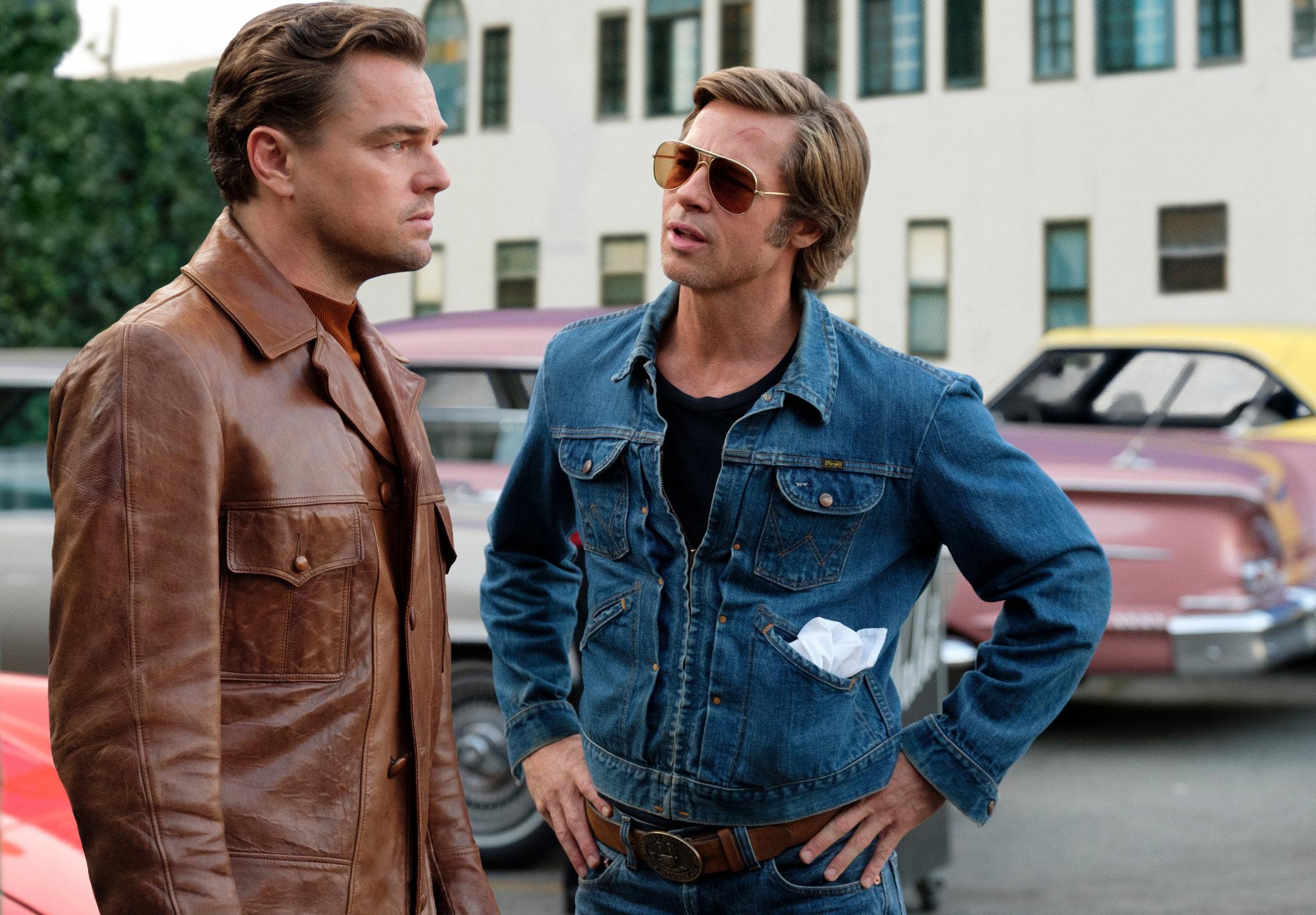
Leonardo DiCaprio and Brad Pitt’s portrayals in Once Upon a Time in Hollywood are nothing short of masterful, each actor bringing a nuanced depth to their respective characters that anchors Quentin Tarantino’s nostalgic homage to the golden age of cinema. DiCaprio, playing the role of Rick Dalton, a fading TV star grappling with his declining career, offers a compelling exploration of vulnerability and desperation. His performance is a delicate dance between bravado and insecurity, effectively capturing the essence of a man caught between his former glory and an uncertain future. DiCaprio’s ability to seamlessly transition between Dalton’s on-screen personas and his off-screen struggles exemplifies his exceptional range and dedication to character authenticity.
In contrast, Brad Pitt delivers a charismatic and understated performance as Cliff Booth, Dalton’s loyal stunt double and confidant. Pitt infuses Booth with a quiet confidence and an enigmatic presence that speaks volumes even in moments of silence. The dynamic between Dalton and Booth is a testament to Pitt’s subtle yet powerful portrayal, as he balances moments of humor with an underlying sense of melancholy. The chemistry between DiCaprio and Pitt not only drives the narrative forward but also serves as a poignant reflection of the film industry’s evolving landscape. Together, they create a compelling narrative of camaraderie and resilience, embodying Tarantino’s tribute to the unsung heroes behind Hollywood’s glitzy facade.
- DiCaprio’s nuanced portrayal - A masterclass in embodying vulnerability and bravado.
- Pitt’s understated charisma – A study in quiet confidence and enigmatic presence.
- Dynamic chemistry – A powerful reflection of friendship amidst the changing tides of Hollywood.
Recommendations for Appreciating the Films Subtle Cinematic References
To truly appreciate the intricate tapestry of cinematic references woven throughout Once Upon a Time in Hollywood, it’s crucial to approach the film with an informed eye. Here are some strategies to enhance your viewing experience:
- Research the Era: Familiarize yourself with the late 1960s Hollywood landscape. Understanding the historical and cultural context will illuminate the significance of Tarantino’s nods to the industry’s golden era.
- Spot the Influences: Look for stylistic and thematic echoes of classic directors like Sergio Leone and Alfred Hitchcock. Tarantino’s homage is often embedded in subtle cues such as camera angles and scene compositions.
- Character Connections: Recognize the real-life inspirations behind characters. For instance, Rick Dalton’s journey parallels the careers of actors navigating the transition from TV to film during that time.
- Listen Intently: The soundtrack is not just a backdrop but a deliberate choice that ties scenes to specific films or moments in cinematic history.
By embracing these methods, viewers can uncover the nuanced layers of homage and reflection that make the film a rich tribute to cinema’s past.