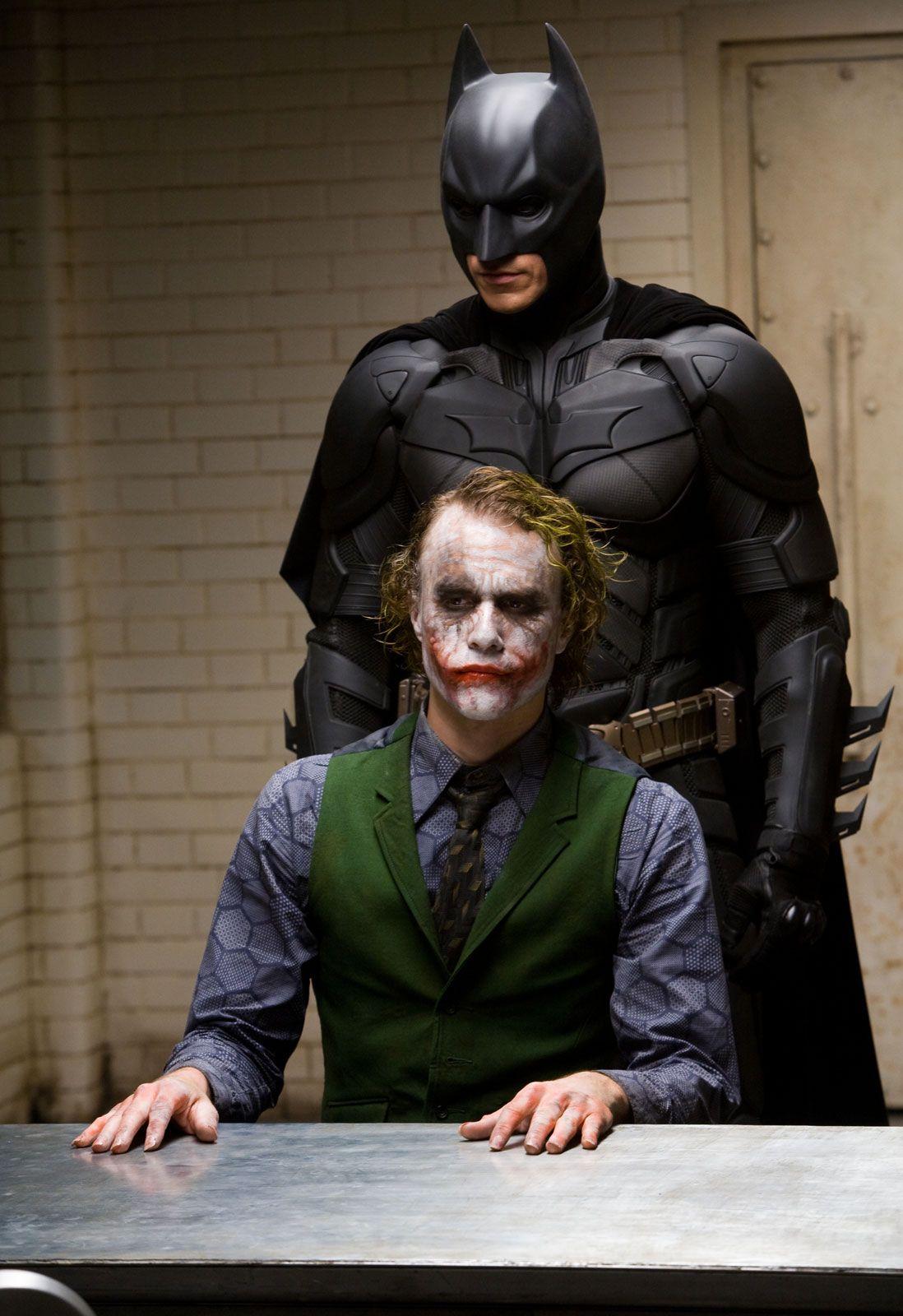
The 2008 film “The Dark Knight,” directed by Christopher Nolan, has long been hailed as a masterpiece of modern cinema, revered for its gripping narrative, complex characters, and philosophical underpinnings. Central to its acclaim is its portrayal of Batman, a character whose mythos has been shaped by decades of comic book lore, animated series, and cinematic interpretations. Yet, as audiences continue to dissect the nuances of Nolan’s vision, a compelling question arises: Does “The Dark Knight” truly encapsulate the essence of Batman’s character as originally conceived? This article delves into the intricate layers of Batman’s persona as depicted in the film, examining its fidelity to the core elements of the Dark Knight’s identity. Through a meticulous analysis of the film’s narrative choices, character development, and thematic resonances, we seek to determine whether Nolan’s portrayal aligns with the quintessential Batman or if it represents a distinct reinterpretation tailored for contemporary audiences.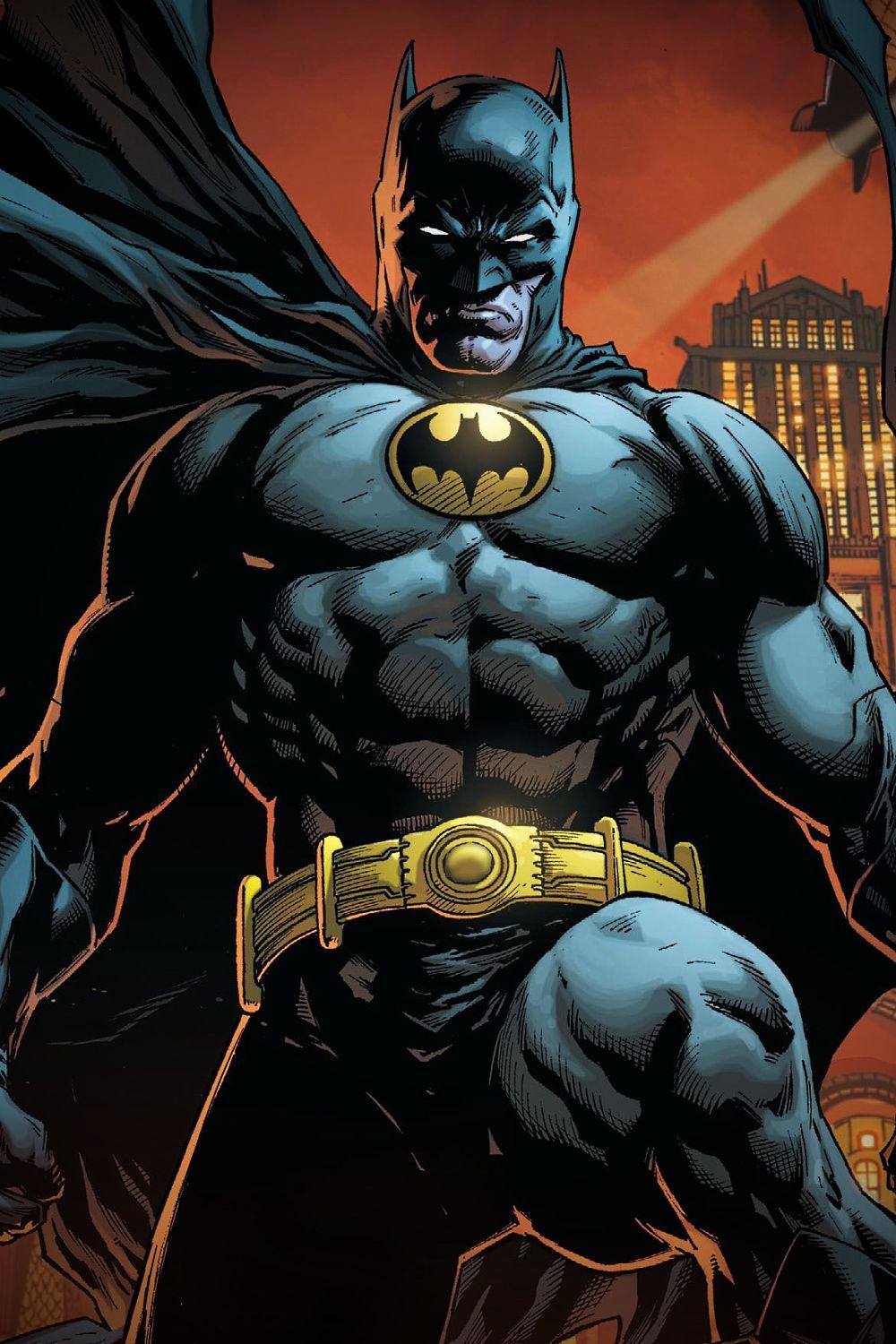 The Dark Knight“>
Exploring Batmans Moral Complexity in The Dark Knight
In Christopher Nolan’s The Dark Knight, Batman is portrayed with a profound moral complexity that challenges traditional hero archetypes. Unlike the more black-and-white morality often depicted in superhero narratives, Batman operates in a realm filled with shades of gray. His ethical dilemmas and the choices he makes are what truly define him in this film. The narrative questions whether the ends justify the means, as Batman grapples with his no-kill rule while facing an adversary who thrives on chaos and moral ambiguity. This nuanced portrayal is central to understanding his character, highlighting his internal struggle between maintaining his moral code and doing whatever it takes to save Gotham.
- Duality of Justice: Batman’s actions often reflect a balance between being a vigilante and a hero, making decisions that blur the line between lawful and unlawful.
- Moral Dilemmas: He is constantly faced with choices that test his ethics, such as deciding whether to save Rachel or Harvey Dent.
- Unwavering Principles: Despite the chaos, Batman holds steadfast to his principles, such as his refusal to kill, even when pressured by the Joker‘s anarchic worldview.
The film’s depiction of Batman’s moral complexity invites viewers to ponder the true nature of heroism. It asks whether a hero must always adhere to a strict moral code or if flexibility in the face of chaos is necessary for greater good. This portrayal aligns closely with the essence of Batman’s character in the comics, where he is often portrayed as a deeply conflicted figure, one who must navigate the moral complexities of a world filled with darkness and light.
The Role of Gotham City in Shaping Batmans Character
Gotham City is more than just the backdrop to Batman’s story; it is an integral force in shaping his character and mission. This urban landscape, with its perpetual gloom and moral decay, serves as a crucible for Bruce Wayne‘s transformation into the Dark Knight. The city is rife with crime, corruption, and a sense of despair that challenges Batman at every turn, forcing him to adapt and evolve. Its dark alleys and towering skyscrapers provide both a physical and symbolic battleground where Batman’s resilience and moral fortitude are constantly tested.
- Crime and Corruption: Gotham’s pervasive lawlessness compels Batman to adopt a relentless approach to justice, reinforcing his identity as a vigilante.
- Complex Villains: The city’s rogue gallery, from the Joker to Two-Face, are not just adversaries but reflections of the city’s own fractured psyche, pushing Batman to confront his own inner demons.
- Symbol of Hope: Despite its darkness, Gotham is also the stage where Batman’s role as a beacon of hope is most evident, driving him to embody the ideals of justice and protection.
In essence, Gotham City is a character in its own right, one that profoundly influences Batman’s motivations, methods, and moral compass. Its unique challenges and complexities ensure that the Dark Knight’s character remains multifaceted and true to his core principles.
Evaluating The Dark Knights Interpretation of Batmans Relationships
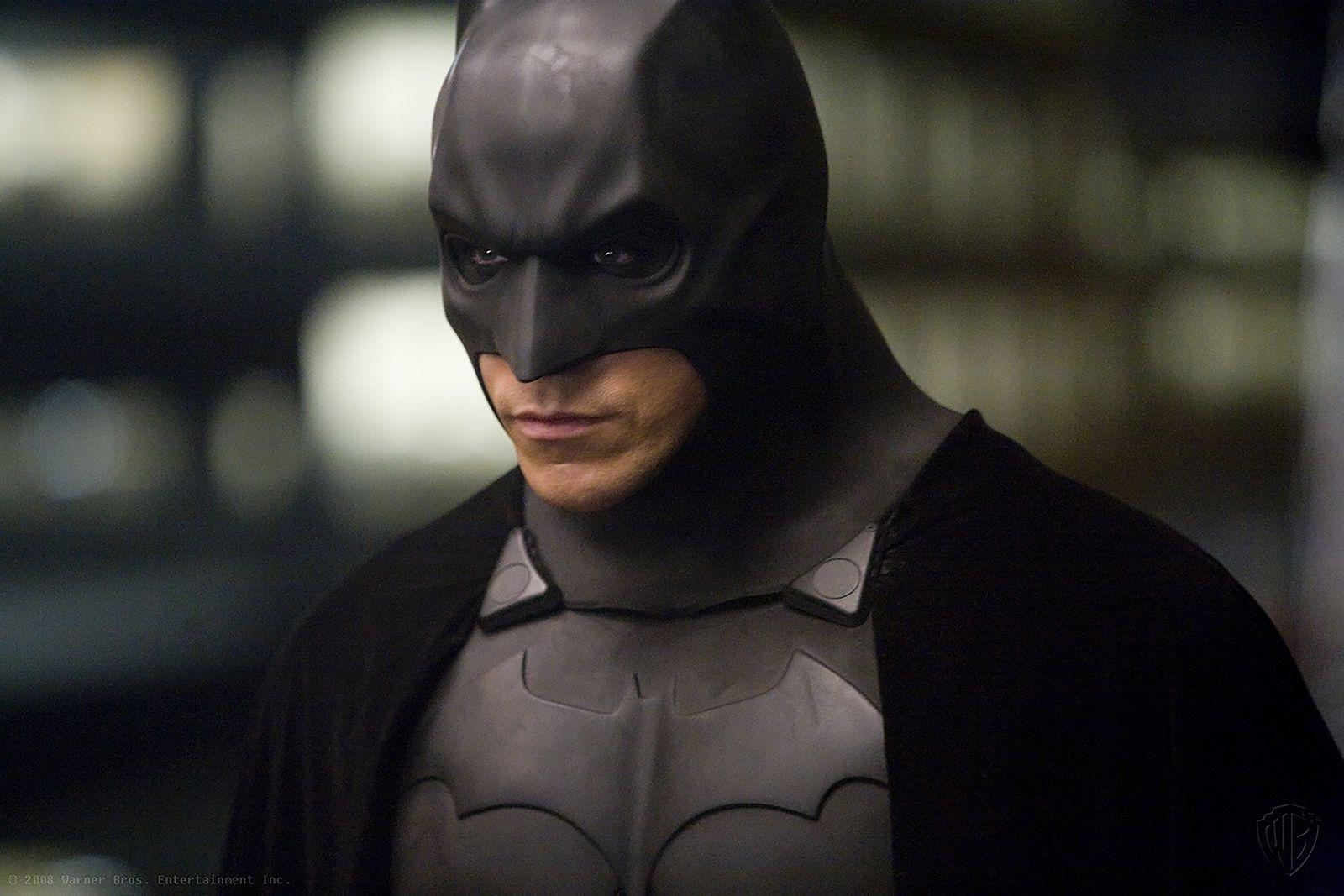
In Christopher Nolan’s The Dark Knight, the complex web of Batman’s relationships is meticulously explored, offering a lens through which to examine his character. The film delves into Batman’s interactions with key figures, such as Alfred, Commissioner Gordon, and the Joker, each serving as a reflection of different facets of his identity. Alfred represents the moral compass and paternal figure, grounding Bruce Wayne in humanity and reminding him of the line between justice and vengeance. Commissioner Gordon, on the other hand, embodies trust and collaboration, highlighting Batman’s reliance on alliances to uphold Gotham’s fragile peace.
The depiction of Batman’s relationship with the Joker is perhaps the most intriguing, as it underscores the duality and the blurred lines between hero and villain. This antagonistic dynamic challenges Batman’s ethical boundaries, forcing him to confront the chaos within and outside himself. Key relationship dynamics include:
- Alfred: Mentor and moral guide
- Commissioner Gordon: Trust and partnership
- The Joker: Chaos and ethical challenges
Through these interactions, Nolan presents a Batman who is not just a masked vigilante but a deeply conflicted individual navigating the complexities of his mission and the relationships that define him.
Recommendations for Future Batman Adaptations Based on The Dark Knights Strengths and Weaknesses
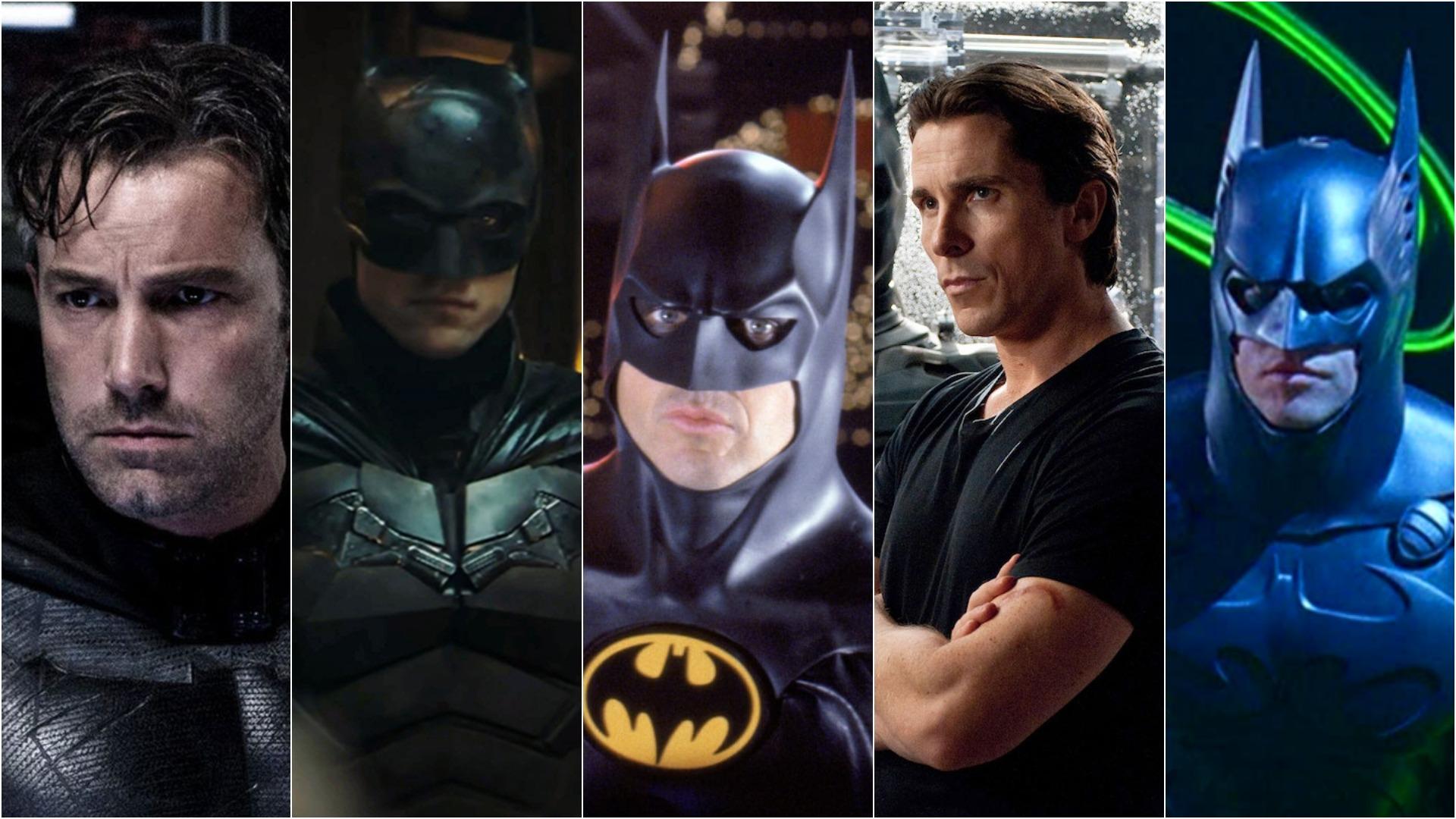
To craft future Batman adaptations that resonate with audiences while remaining true to the essence of the character, creators can draw both inspiration and caution from the strengths and weaknesses observed in “The Dark Knight.” One of the film’s most commendable aspects is its portrayal of Batman’s moral complexity and the ethical dilemmas he faces. This nuanced characterization should continue to be a focal point, allowing viewers to explore the psychological depths of Bruce Wayne and the duality of his existence. Additionally, the film’s realistic approach to Gotham’s criminal underworld adds a layer of authenticity that future adaptations should strive to maintain, ensuring the world feels both tangible and menacing.
However, certain elements warrant reconsideration. Character development should extend beyond the protagonist to include a richer exploration of supporting characters and villains. While Heath Ledger’s Joker was undeniably captivating, future adaptations should ensure other characters receive equally compelling arcs and backstories. Additionally, while “The Dark Knight” leans heavily into its gritty realism, there is room for incorporating the more fantastical elements of Batman’s mythos, balancing the dark with the dynamic. By embracing these recommendations, future adaptations can offer a more holistic representation of Batman’s world, appealing to both purists and new fans alike.
- Maintain moral complexity of Batman’s character.
- Ensure a balanced portrayal of supporting characters.
- Blend realism with fantasy to enrich storytelling.
- Explore ethical dilemmas and psychological themes.