In the realm of animated classics, few films have captured the global imagination as profoundly as Disney’s “The Lion King.” Released in 1994, this epic tale of redemption and the circle of life quickly became a cultural touchstone, celebrated for its groundbreaking animation, memorable music, and compelling narrative. However, beneath its surface lies a controversy that has simmered for decades: the striking similarities between “The Lion King” and the 1960s Japanese anime series “Kimba the White Lion.” As audiences continue to celebrate Disney’s masterpiece, questions persist about the extent of its creative borrowing from Osamu Tezuka’s beloved work. This article delves into the intricate tapestry of storytelling, visual parallels, and thematic echoes to explore whether “The Lion King” owes more to “Kimba the White Lion” than mere inspiration, challenging the boundaries between homage and imitation in the world of animation.
Comparative Analysis of Storyline and Character Development
The debate surrounding the parallels between The Lion King and Kimba the White Lion often centers on their respective storylines and character development. Both narratives revolve around a young lion’s journey to reclaim his rightful place as king. However, the nuances in storytelling reveal distinct approaches. While The Lion King draws heavily on Shakespearean elements, particularly Hamlet, with its themes of betrayal and revenge, Kimba the White Lion delves into more philosophical territory, focusing on environmentalism and the struggle between nature and human encroachment.
Character development in both stories is a rich area for comparison. In The Lion King, characters such as Simba and Scar are defined by their clear motivations and emotional arcs, which resonate with audiences through their relatability and depth. In contrast, Kimba the White Lion presents characters that are more allegorical, often representing broader themes and ideas. This difference can be observed through:
- Simba vs. Kimba: Simba’s journey is one of personal growth and redemption, while Kimba’s is more of an ideological quest.
- Scar vs. Claw: Scar’s villainy is rooted in jealousy and ambition, whereas Claw often embodies the conflict between civilization and wilderness.

Visual and Thematic Parallels: Coincidence or Influence
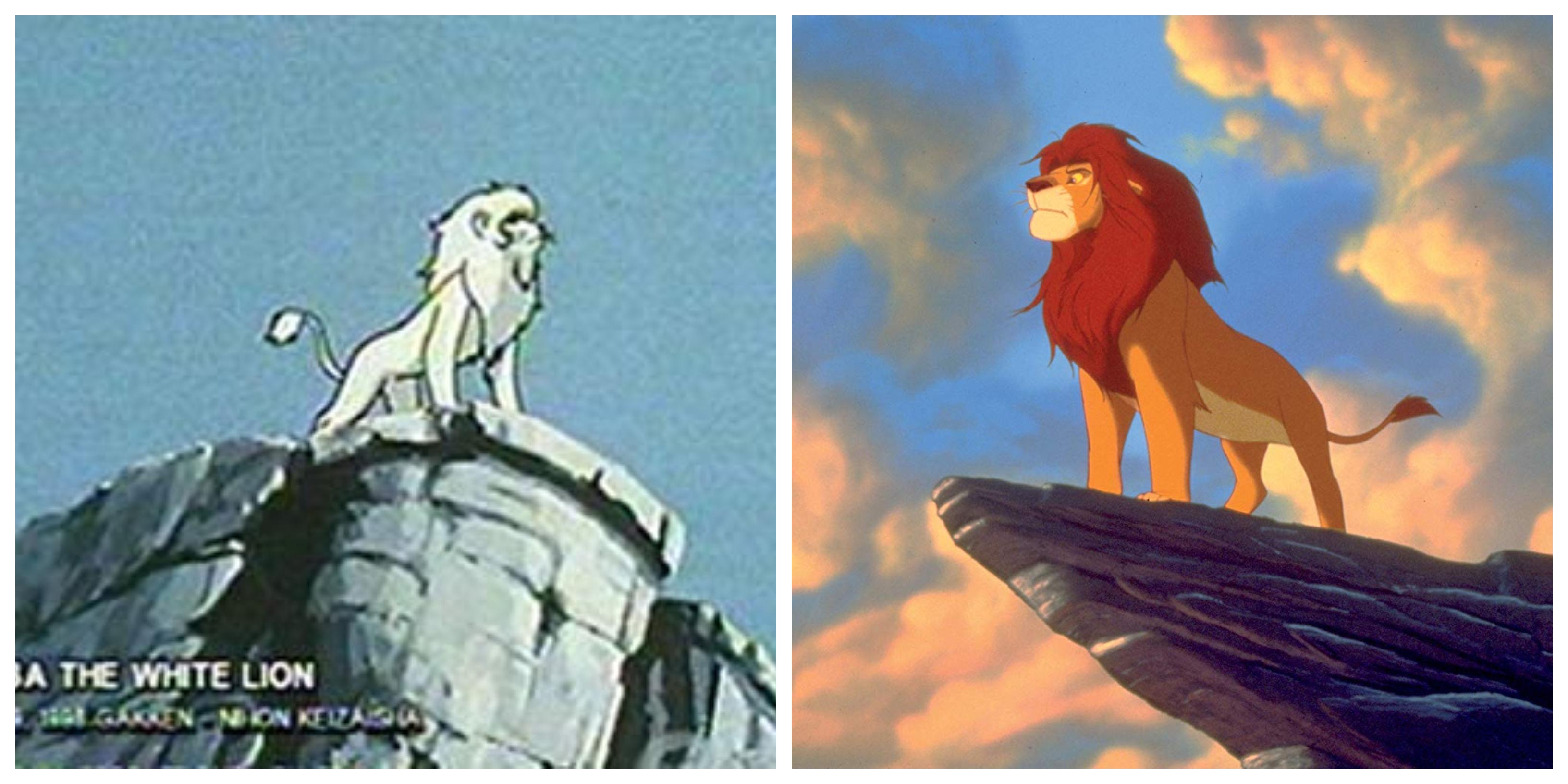
When examining the similarities between The Lion King and Kimba the White Lion, it’s essential to delve into the visual and thematic parallels that have sparked debate among fans and critics alike. Both narratives unfold in the African savanna, featuring young lion protagonists who grapple with the loss of a father and the responsibilities of leadership. The presence of wise baboon-like characters, loyal friends, and villainous antagonists further solidifies these resemblances. While some argue these are mere coincidences, others believe they point to a deeper influence, if not a direct homage.
The visual echoes are particularly striking. Consider the following elements often highlighted in discussions:
- Sunrise Scenes: Both series open with a dramatic sunrise, symbolizing new beginnings and the circle of life.
- Character Design: The similarities in character appearances, especially the striking resemblance between Kimba and Simba, fuel discussions on influence.
- Symbolic Landscapes: The depiction of lush jungles, arid wastelands, and majestic rock formations appear to serve as a backdrop for both tales.
These parallels, whether by chance or design, continue to fuel the discourse on artistic inspiration versus appropriation in storytelling. As we dissect these elements, the line between coincidence and influence becomes intriguingly blurred.
Legal and Ethical Implications of Creative Inspiration
The debate over whether The Lion King borrows too heavily from Kimba the White Lion highlights several significant legal and ethical issues in the realm of creative inspiration. On the legal front, the concept of copyright infringement becomes a focal point. Copyright law aims to protect the expression of ideas, not the ideas themselves, which can make it challenging to determine where inspiration ends and infringement begins. Despite similarities between the two works, Disney has maintained that any likeness is coincidental, leading to a broader discussion on how much inspiration can be drawn from pre-existing works before crossing legal boundaries.
Ethically, creators must navigate the fine line between homage and appropriation. This involves considering several factors:
- Respect for original creators: Acknowledging the influence of earlier works can be seen as a mark of respect and integrity.
- Cultural sensitivity: Ensuring that borrowed elements do not exploit or misrepresent the original source material is crucial.
- Transparency: Being open about sources of inspiration can foster a more ethical creative process.
Ultimately, the discussion around these two iconic works serves as a reminder of the complexities involved in balancing innovation with respect for existing intellectual property.
Recommendations for Future Adaptations and Creative Integrity
In the realm of future adaptations, it is crucial to balance inspiration with originality to maintain creative integrity. When adapting classic tales or drawing from existing works, creators should strive to imbue their projects with distinct elements that set them apart. This not only honors the source material but also contributes to the evolution of storytelling. Here are some recommendations for achieving this:
- Deep Research: Thoroughly investigate the source material and any similar works to understand their themes and nuances. This helps in crafting a narrative that respects its predecessors while offering a fresh perspective.
- Innovative Storytelling: Introduce new characters, settings, or plot twists that challenge the audience’s expectations and bring something novel to the table.
- Collaborative Creativity: Engage with a diverse team of writers and artists to infuse the adaptation with varied insights and ideas, ensuring a multi-dimensional approach to the story.
- Transparent Acknowledgment: Clearly credit any inspirations or influences, fostering an environment of openness and respect for the original creators.
By adhering to these principles, adaptations can both honor their inspirations and carve out their own unique space in the cultural landscape, ensuring that creative integrity is upheld in every frame and line.