In the sprawling landscape of television history, few shows have managed to capture the hearts and minds of viewers quite like “The Office.” With its quirky ensemble of characters, dry wit, and mockumentary style, this seemingly unassuming sitcom has garnered a cult following that remains fervent years after its final episode aired. But what is it about “The Office” that continues to resonate with audiences across generations and cultures? Is it the hilariously awkward moments that mirror the absurdities of real-life workplaces, or perhaps the deeply relatable characters who have become like old friends to many? As we delve into the phenomenon of “The Office,” we aim to explore whether this beloved series truly merits its devoted fanbase or if nostalgia and internet memes have elevated it to an undeserved pedestal. Join us as we unravel the enduring appeal of Dunder Mifflin‘s finest and examine whether “The Office” truly deserves its iconic status.
Nostalgia and Humor: The Timeless Appeal of The Office
For many, revisiting The Office is like flipping through an old, cherished photo album. It’s a blend of familiar faces, memorable quotes, and moments that feel both personal and universal. The show’s ability to evoke nostalgia is profound, transporting viewers back to a time when awkward silences and quirky office dynamics reigned supreme. But beyond nostalgia, it is the humor—subtle, clever, and often dry—that continues to resonate. Whether it’s Dwight’s outlandish schemes or Michael’s painfully misguided attempts at leadership, the humor remains as fresh and relatable as ever.
- Relatable Characters: From Jim’s pranks to Pam’s ambitions, there’s a little bit of everyone in these characters.
- Memorable Quotes: Lines like “That’s what she said” have become part of everyday vernacular.
- Enduring Humor: The comedy doesn’t rely on current events, making it timeless and enjoyable for new generations.

Character Depth and Development: More Than Just Comedy
While “The Office” is celebrated for its comedic brilliance, its enduring appeal owes much to the rich character depth and development woven throughout the series. The characters, each with their own quirks and complexities, evolve in ways that resonate deeply with the audience. Michael Scott, portrayed as a bumbling yet well-meaning boss, transitions from a caricature of incompetence to a figure of unexpected wisdom and vulnerability. His journey is punctuated by moments of introspection that reveal a deeper understanding of his own shortcomings and desires.
- Jim and Pam: Their relationship, initially a playful office flirtation, matures into a compelling narrative of love, ambition, and personal growth.
- Dwight Schrute: Beneath his eccentric exterior lies a complex character driven by loyalty, ambition, and a deep-seated need for validation.
- Angela Martin: Her strict demeanor masks a tumultuous personal life, offering a glimpse into her struggles with vulnerability and acceptance.
These multi-dimensional portrayals, combined with the show’s comedic elements, create a narrative that is as emotionally engaging as it is entertaining. The depth of character development allows viewers to see reflections of their own lives and relationships, contributing to the show’s lasting impact and cult status.
Cultural Impact: How The Office Shaped Modern Sitcoms
The influence of The Office on modern sitcoms is undeniable, as it introduced a unique blend of mockumentary style, relatable characters, and dry humor that many shows have since emulated. Its success lies in its ability to transform mundane office life into a canvas for comedy, while subtly exploring deeper themes of human relationships and personal growth. The show’s documentary-style filming gave it a fresh and authentic feel, making viewers feel like they were part of the everyday antics at Dunder Mifflin.
- Character Development: Unlike traditional sitcoms that rely heavily on punchlines, The Office focused on in-depth character arcs, allowing audiences to connect on a more personal level.
- Realism: Its portrayal of the workplace was refreshingly real, often highlighting the absurdity in the ordinary, a concept that many modern sitcoms have adopted.
- Breaking the Fourth Wall: The show’s direct camera interactions have become a staple in many series, creating an engaging viewer experience.
While some critics argue that its cultural relevance has waned, the show’s legacy in shaping the narrative and stylistic choices of contemporary sitcoms is still felt today. It set a precedent for shows that followed, proving that sometimes the most captivating stories come from the simplest settings.
Recommendations for New Viewers: How to Dive Into The Office
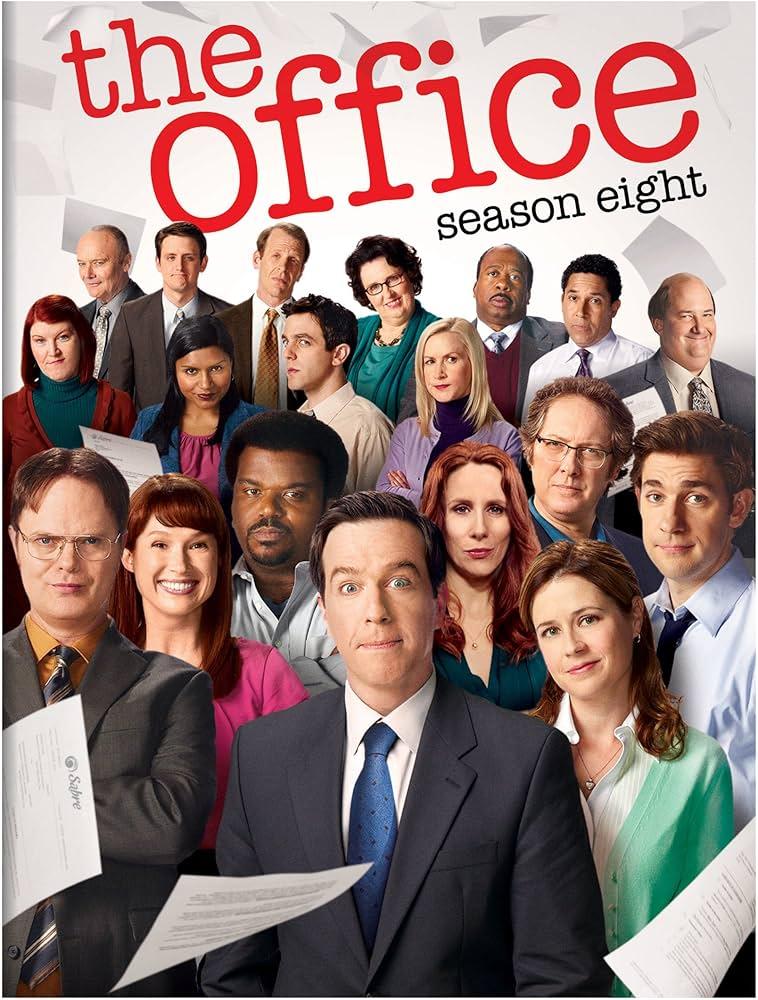
New to The Office and wondering how to make the most of this iconic series? Here are some tips to ensure you catch every hilarious nuance and poignant moment:
- Start from the Beginning: While some may suggest skipping the first season, it lays the groundwork for character development and office dynamics that are pivotal throughout the series.
- Embrace the Awkwardness: The show thrives on cringe-worthy humor. Let yourself enjoy the awkward pauses and uncomfortable situations—it’s part of the charm.
- Watch with a Friend: Sharing the experience can enhance the fun. Discussing Michael’s antics or Dwight’s quirks with a friend can lead to deeper appreciation and inside jokes.
- Notice the Details: Pay attention to background interactions and subtle jokes that are easy to miss. The more you watch, the more hidden gems you’ll discover.
As you navigate through the series, remember that part of its allure is its ability to mirror the mundane and the absurd of everyday office life, making it relatable and timeless. Enjoy your journey through Dunder Mifflin!