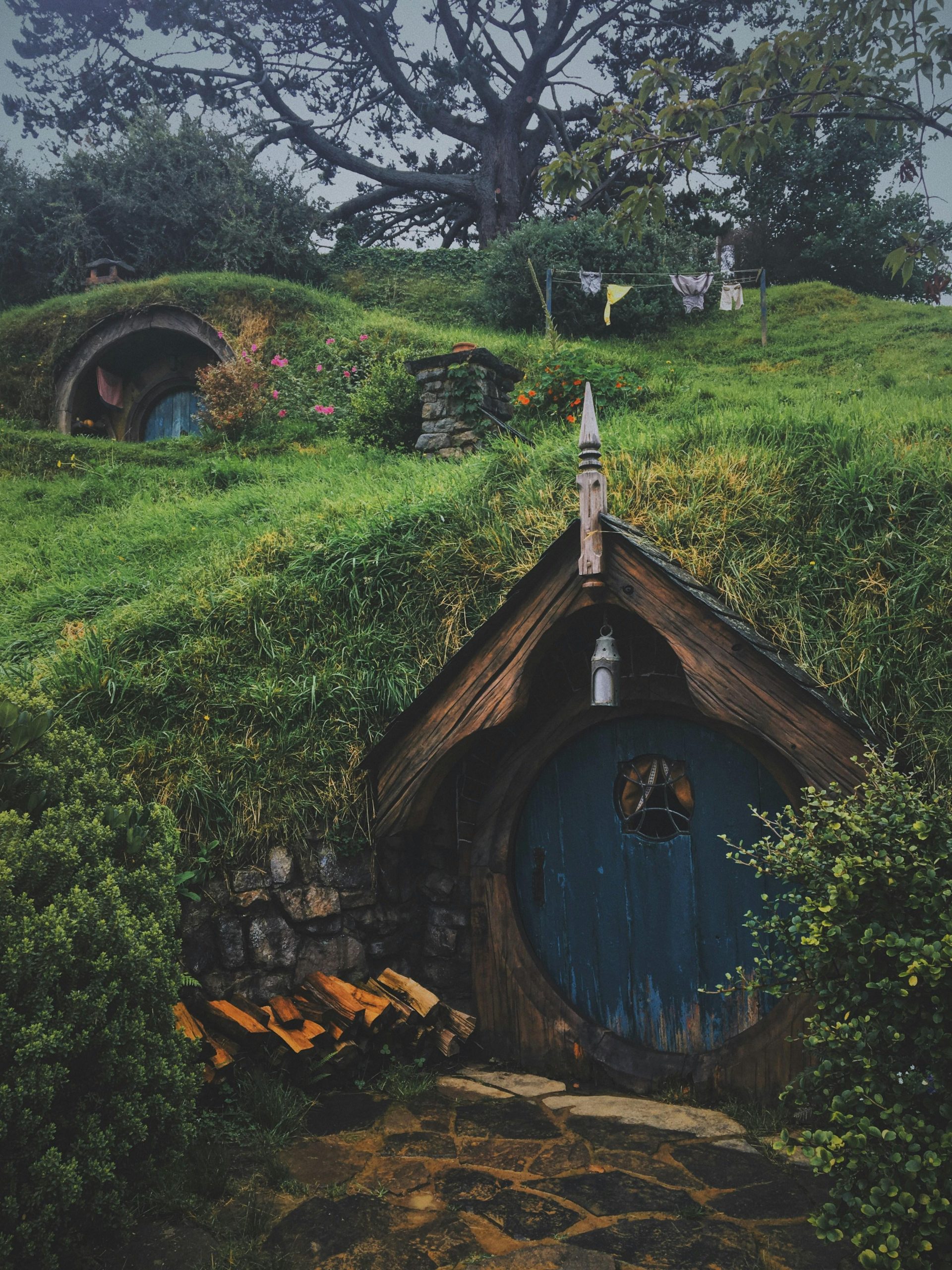
In the ever-evolving landscape of television entertainment, a new phenomenon has emerged, capturing the imaginations of viewers worldwide: the meteoric rise of fantasy TV shows. From sprawling, dragon-filled kingdoms to enchanted forests where magic is as common as the air we breathe, these fantastical worlds have become a staple of modern screen time. But does this surge in popularity signify a deeper shift in viewer preferences, or is it merely a fleeting escapade into the extraordinary? As audiences become increasingly enamored with the allure of the mystical and the epic, we embark on a journey to explore whether this fascination with fantasy is reshaping the very essence of what we seek in our televised narratives. Join us as we delve into the realm of fantasy TV, examining its roots, its rise, and its potential to redefine our viewing experiences.
The Allure of Escapism in Modern Television
In recent years, the surge in popularity of fantasy television shows has become more than just a passing trend. These shows, with their intricate worlds and complex characters, offer viewers an escape from the mundanity of daily life. As streaming platforms continue to invest heavily in this genre, it’s worth exploring whether this signals a deeper shift in viewer preferences. Fantasy TV provides an immersive experience that allows audiences to explore alternate realities, where the boundaries of the impossible are stretched. This allure is not just about dragons and magic, but about the exploration of themes that resonate on a deeply personal level.
- Imaginative Storytelling: These narratives often weave together elements of myth, folklore, and speculative fiction, providing a rich tapestry for audiences to explore.
- Complex Characters: Unlike traditional genres, fantasy often develops characters that are morally ambiguous, allowing viewers to engage with their journey on a more profound level.
- Visual Spectacle: The genre is renowned for its visually stunning cinematography, offering a feast for the eyes and further drawing viewers into its world.
- Escapist Appeal: In a world of constant information overload, these shows provide a much-needed respite, allowing viewers to disconnect and engage with stories that are far removed from their everyday realities.

Cultural Trends Influencing Fantasys Rise
In recent years, the cultural landscape has been profoundly shaped by a desire to escape the mundane, propelling fantasy TV shows to the forefront of entertainment. This shift is heavily influenced by several cultural trends. Firstly, the rise of digital streaming platforms has democratized access to a wide array of fantasy content, allowing niche genres to flourish and reach a global audience. Additionally, the resurgence of interest in mythology and folklore has paved the way for stories that explore rich, imaginative worlds, providing viewers with a sense of wonder and adventure.
- Globalization of content: Viewers now have access to fantasy series from different cultures, enriching the genre with diverse narratives and perspectives.
- Technological advancements: Enhanced special effects and CGI have made fantastical worlds more immersive and visually stunning.
- Cross-generational appeal: Fantasy often resonates with both younger and older audiences, creating shared viewing experiences across age groups.
- Societal challenges: In uncertain times, fantasy offers a refuge, allowing viewers to explore complex themes through allegory and metaphor.
These cultural shifts not only highlight the evolving tastes of audiences but also underscore the role of fantasy as a mirror reflecting societal hopes and anxieties. As viewers continue to seek out these fantastical narratives, it becomes clear that the genre’s rise is more than a fleeting trend; it’s a testament to its enduring appeal and relevance.
Balancing Fantasy with Reality: A Viewer’s Guide
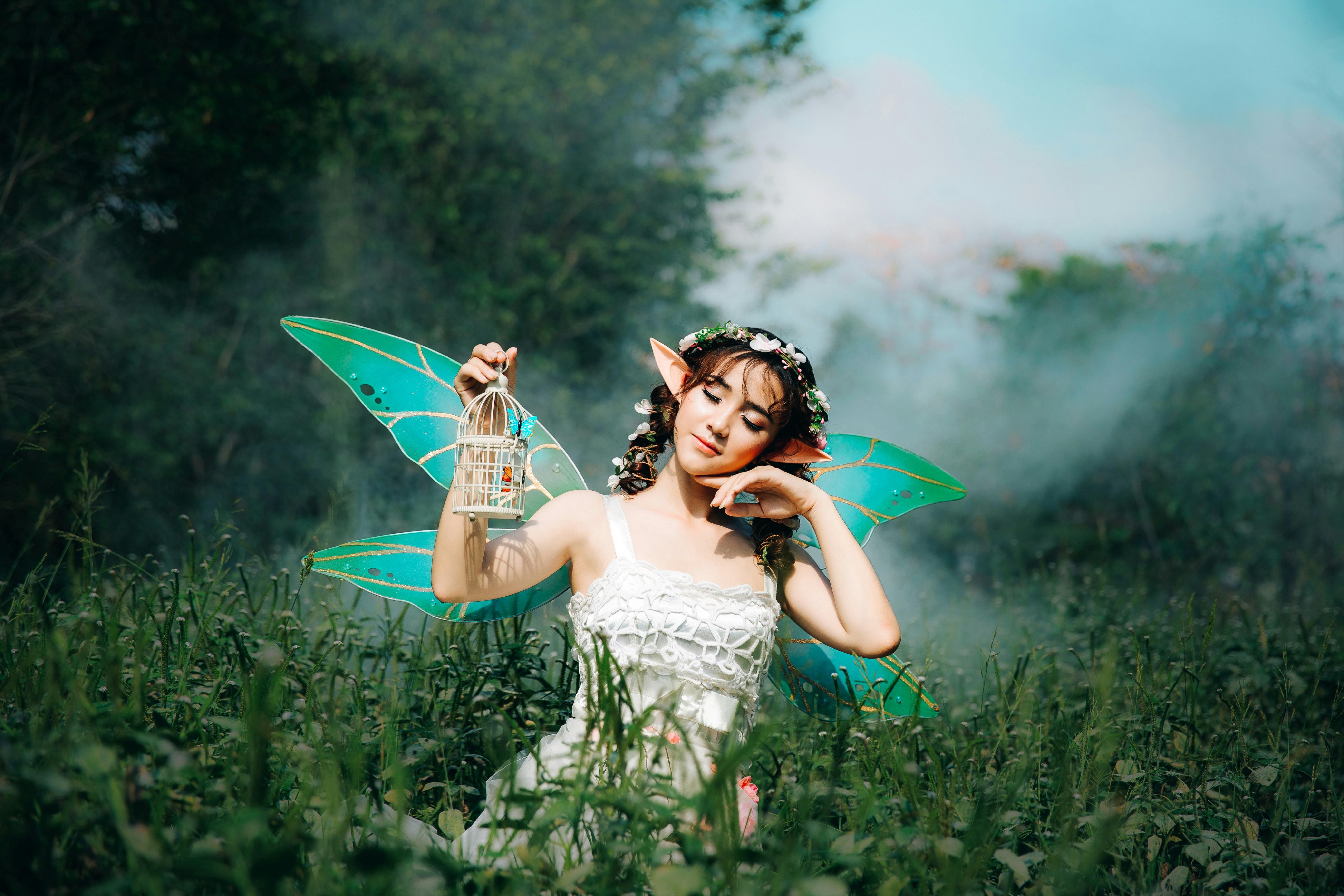
In a world where dragons soar across skies and mythical realms come to life, viewers are increasingly captivated by the intricate storytelling of fantasy TV shows. The allure of these fantastical worlds often lies in their ability to offer an escape from the mundane while simultaneously reflecting profound truths about our own reality. As the boundaries between the fantastical and the real blur, audiences are drawn to narratives that challenge their perceptions and ignite their imaginations. This balance between fantasy and reality is not just about magical creatures or epic battles; it’s about the exploration of timeless themes such as power, love, and identity.
- Complex Characters: Fantasy shows often delve into deep character development, offering viewers a chance to explore the duality of human nature.
- Rich World-Building: The intricate worlds created in these series provide a canvas for exploring complex societal issues in a safe and engaging way.
- Escapism with Depth: While offering a break from reality, these shows also encourage viewers to reflect on their own lives and the world around them.
As audiences continue to embrace these enchanting tales, it becomes clear that the popularity of fantasy TV shows is more than just a fleeting trend. It signals a deeper shift in viewer preferences towards content that challenges, inspires, and entertains, all while maintaining a delicate dance between the imaginary and the real.
Crafting the Future: How Networks Can Capitalize on Fantasy’s Popularity
With the ever-growing allure of fantasy TV shows, networks are presented with a golden opportunity to weave their way into the hearts of viewers by embracing this genre’s imaginative realms. To truly capitalize on fantasy’s popularity, networks must consider a few strategic approaches:
- Invest in High-Quality Production: As fantasy worlds require intricate details and expansive settings, investing in top-notch visual effects and set designs can create an immersive experience that captivates audiences.
- Engage Diverse Storytelling: By exploring varied cultural mythologies and integrating diverse characters, networks can attract a broader audience base while enriching the storytelling tapestry.
- Leverage Cross-Media Synergy: Collaborating with video game developers, comic book creators, and other media platforms can amplify the fantasy experience, encouraging fan engagement across multiple formats.
By embracing these strategies, networks can harness the magical pull of fantasy and forge a deeper connection with audiences, ensuring a prosperous future in the entertainment landscape.