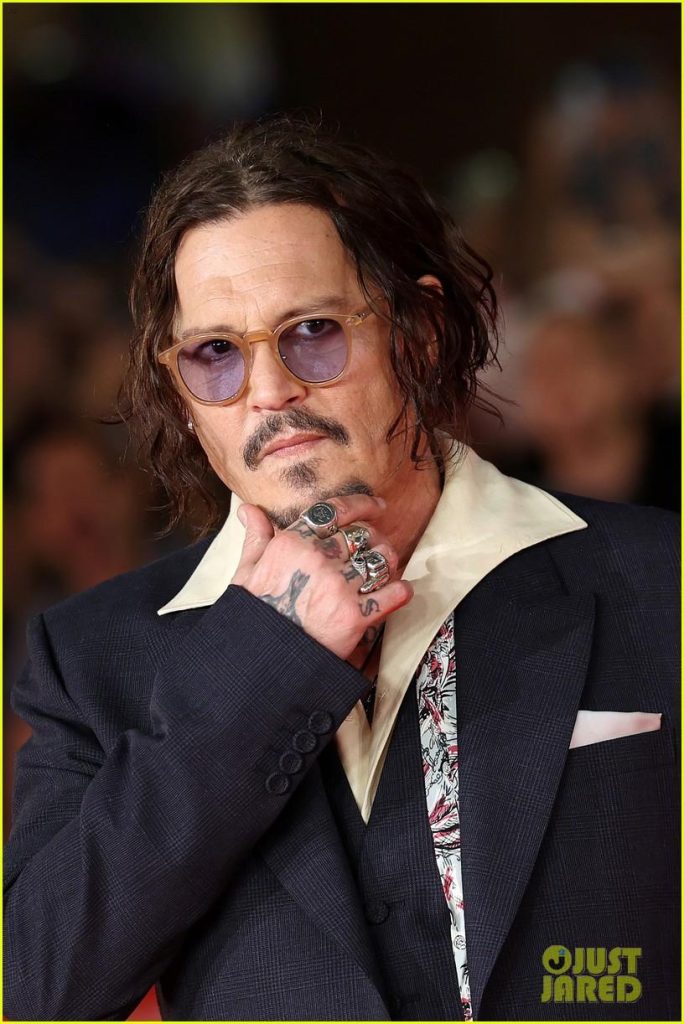
In the ever-evolving landscape of cinema, where digital marvels and innovative storytelling techniques continually reshape audience expectations, the enduring legacy of Clint Eastwood stands as a testament to the timeless allure of classic filmmaking. Known for his gritty narratives, minimalist approach, and profound character studies, Eastwood’s directorial style has captivated audiences for decades. Yet, as the film industry embraces new technologies and diverse storytelling voices, a question arises: has Clint Eastwood’s filmmaking style become a relic of the past, or does it still hold a unique relevance in today’s cinematic world? This article delves into the nuances of Eastwood’s directorial approach, examining whether his signature style continues to resonate or if it now finds itself overshadowed by the demands of contemporary filmmaking.
Evolving Narratives in a Changing Cinematic Landscape
Clint Eastwood’s filmmaking style, marked by its minimalist approach and emphasis on rugged individualism, has long been a hallmark of classic American cinema. However, in today’s rapidly evolving cinematic landscape, some critics and audiences are beginning to question whether this once-revered style has started to show signs of age. The rise of diverse storytelling and the increasing demand for complex narratives have challenged the traditional frameworks that Eastwood often employs. With a focus on themes like the lone hero and the moral complexities of justice, Eastwood’s films have a timeless quality. Yet, the question remains: do these themes resonate as strongly with today’s audiences, who are increasingly drawn to more nuanced and diverse perspectives?
- Minimalist Aesthetic: Eastwood’s preference for simplicity and naturalism, while refreshing, might seem sparse in an era where visual spectacle is often prioritized.
- Traditional Narratives: His stories, often centered on masculinity and heroism, may appear less relevant in a world that celebrates varied voices and experiences.
- Timeless Themes: Despite criticisms, his exploration of moral dilemmas and human resilience continues to captivate a section of the audience.
While Eastwood’s style may not align with every modern trend, it undeniably offers a counterpoint to the fast-paced, CGI-laden films of today. His dedication to storytelling rooted in realism and emotional depth suggests that, though perhaps less mainstream, his filmmaking continues to hold a distinct place in the ever-changing tapestry of cinema.
Balancing Classic Storytelling with Modern Sensibilities
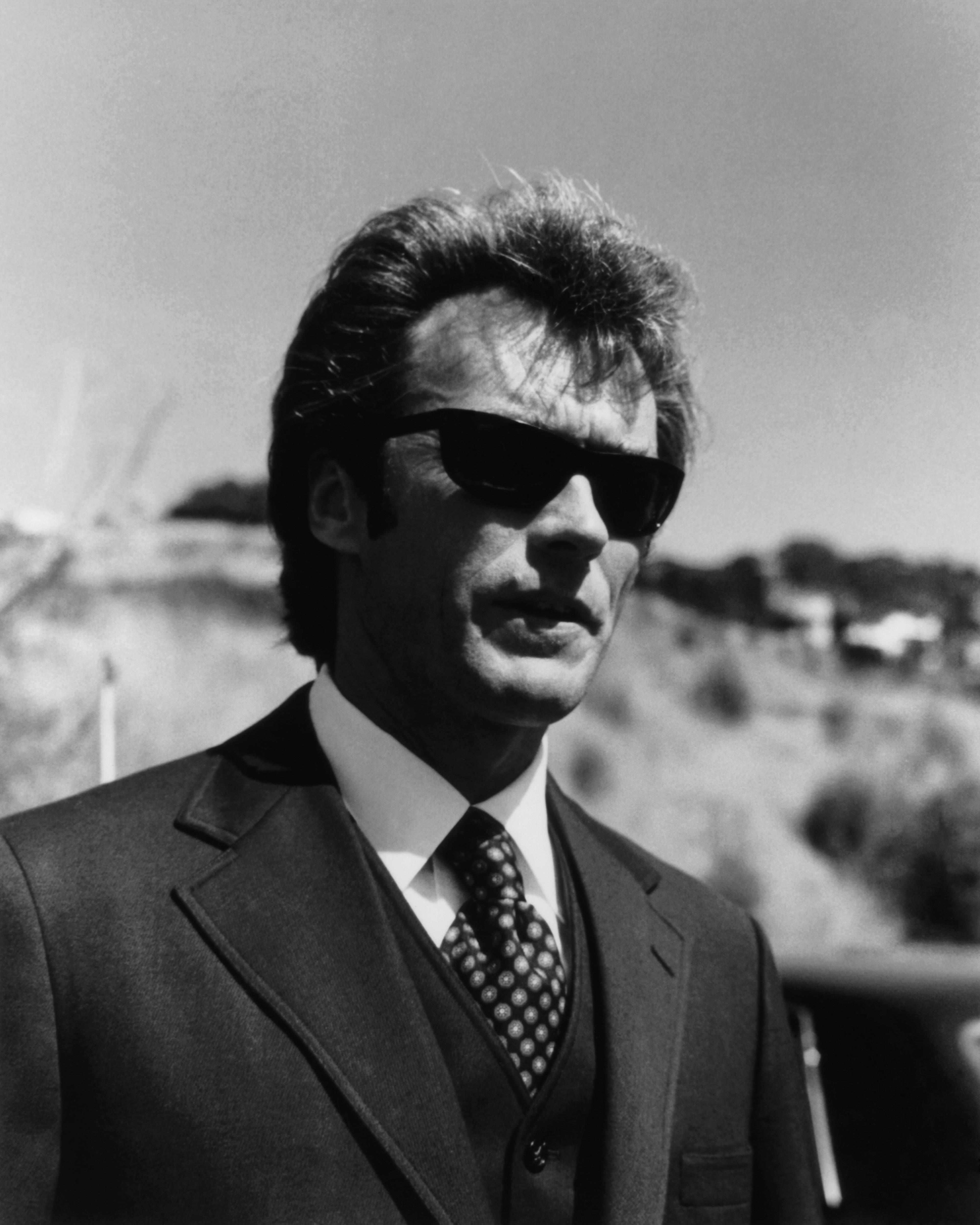
Clint Eastwood has long been revered for his mastery in crafting narratives that resonate with the rugged individualism and moral complexities of classic American cinema. Yet, as the film industry evolves, there is a growing conversation around how filmmakers like Eastwood adapt—or resist adaptation—to modern sensibilities. In a landscape where diversity, inclusivity, and nuanced storytelling are increasingly prioritized, Eastwood’s films often maintain a focus on traditional themes and archetypes.
While his storytelling might seem timeless to some, others argue that it may not fully align with contemporary cultural shifts. Here are some key points to consider:
- Character Diversity: Eastwood’s films often feature strong, stoic male protagonists, which can limit the breadth of perspectives presented.
- Narrative Structure: His preference for linear, straightforward storytelling can clash with the modern appetite for complex, layered narratives.
- Thematic Focus: Themes of justice, redemption, and personal struggle are central to his work, yet might feel repetitive without the inclusion of modern societal issues.
Ultimately, whether Eastwood’s style is perceived as outdated depends largely on the viewer’s expectations and the value they place on the interplay between classic storytelling and modern cultural dynamics.

Technological Advancements and Their Impact on Eastwoods Craft
Clint Eastwood, a titan in the world of filmmaking, has been synonymous with a certain brand of rugged, no-nonsense storytelling. However, as technological advancements continue to revolutionize the film industry, there is growing curiosity about how these innovations impact his unique style. Digital cinematography, CGI, and advanced editing techniques have transformed the landscape, providing filmmakers with tools to create immersive experiences. Eastwood’s commitment to traditional methods, such as shooting on film and minimal reliance on digital effects, offers a stark contrast to contemporary practices. This raises the question of whether his approach can still captivate modern audiences accustomed to high-tech wizardry.
- Digital Cinematography: The shift from film to digital has enabled directors to experiment with visuals in unprecedented ways.
- CGI Integration: While Eastwood’s films typically focus on narrative and character, the lack of CGI might seem outdated to some viewers.
- Editing Software: Advanced editing tools allow for seamless storytelling, yet Eastwood’s preference for traditional editing methods showcases his dedication to the craft.
Despite the changing tides, Eastwood’s work remains a testament to the power of classic storytelling. His films continue to resonate, suggesting that perhaps it’s not the technology but the timelessness of the narrative that truly engages audiences.
Revitalizing Themes: Adapting to Contemporary Audiences
- Narrative Techniques: Eastwood’s signature style, characterized by its minimalist approach and deliberate pacing, has long been celebrated for its authenticity and raw emotional depth. However, contemporary audiences often gravitate towards fast-paced narratives, packed with intricate plot twists and visually dynamic storytelling. Adapting these elements while maintaining the essence of Eastwood’s storytelling could bridge the gap between traditional and modern cinematic tastes.
- Character Development: The filmmaker’s dedication to character-driven plots remains relevant, yet there is a growing demand for diverse and multifaceted characters that resonate with today’s global audience. By incorporating broader perspectives and complex backstories, Eastwood’s films could evolve to reflect a more inclusive narrative landscape, capturing the hearts of a wider audience.
- Technological Integration: Embracing new technology in filmmaking can enhance storytelling and audience engagement. While Eastwood’s work is known for its classic cinematography, experimenting with digital techniques, immersive soundscapes, or even interactive elements could refresh his style and attract tech-savvy viewers without compromising the integrity of his vision.