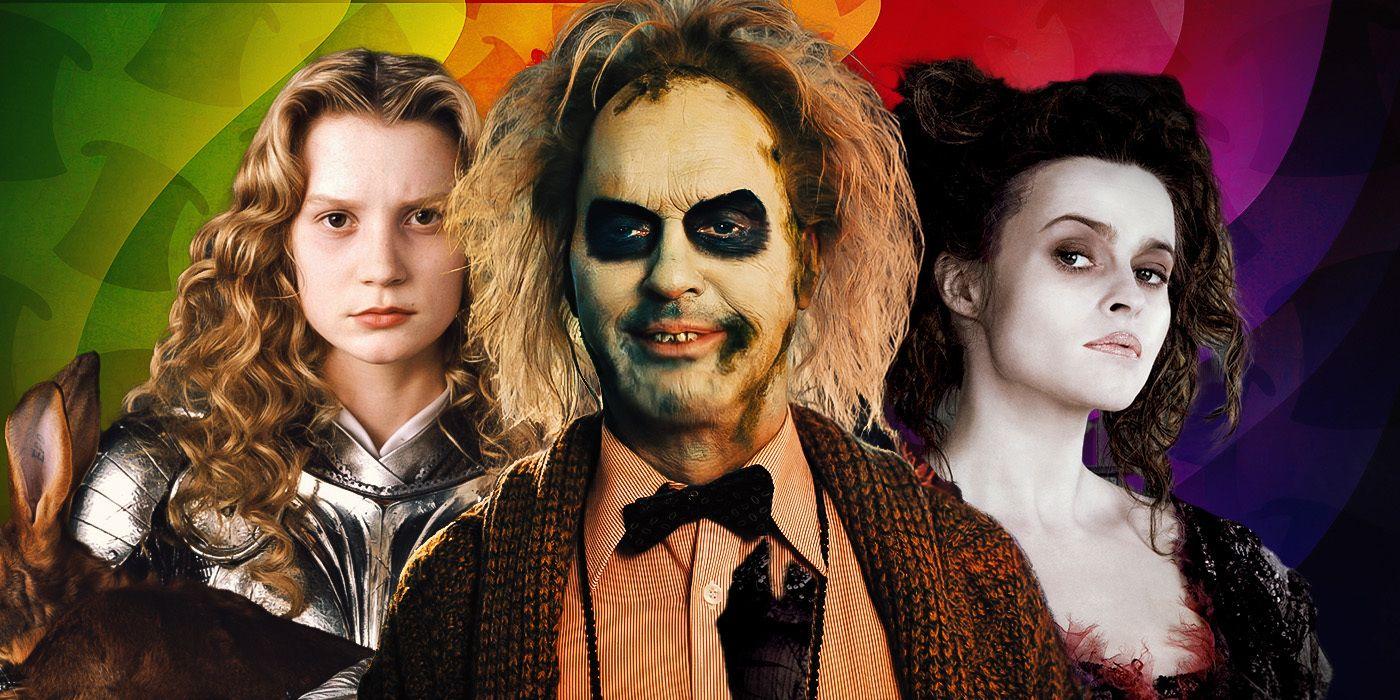
Once a maestro of the macabre, Tim Burton has long been celebrated for his unique ability to weave whimsical worlds teetering on the edge of darkness. From the hauntingly beautiful landscapes of “Edward Scissorhands” to the vibrant eccentricity of “Beetlejuice,” his films have carved a niche that is distinctly Burtonesque. However, as the cinematic landscape continues to evolve, some critics and fans alike have begun to question whether the visionary director has lost the very touch that once set him apart. In this exploration, we delve into Burton’s recent works, examining whether his creative spark has dimmed or if his signature style is simply adapting to the changing tides of modern cinema. Join us as we unravel the enigma of Tim Burton’s artistic journey in the contemporary film world.
Tim Burtons Evolving Aesthetic and Audience Expectations
Tim Burton’s visual and narrative style has undergone a noticeable evolution over the years, reflecting both his personal growth and shifts in cultural trends. Known for his gothic flair, quirky characters, and whimsical storytelling, Burton has carved out a unique niche in the film industry. However, recent projects have sparked discussions among fans and critics alike, questioning whether his signature aesthetic has become predictable or even stale.
While some argue that Burton’s recent films lack the bold innovation that characterized his earlier works, others appreciate the comfort of his familiar style. Audience expectations have certainly evolved, and with the rise of new filmmakers and technology, the demand for fresh and groundbreaking content has intensified. Yet, Burton remains a beloved figure for many who cherish the nostalgia of his classic films. Consider the following points:
- Consistent Themes: His recurrent motifs of outsider characters and surreal worlds still resonate with many viewers.
- Technological Advancements: Burton has embraced digital technology, but some argue this shift has diluted the charm of his practical effects.
- Collaborations: Frequent collaborations with certain actors and composers have both bolstered and constrained his creative output.
Ultimately, whether Burton has “lost his touch” is subjective and deeply tied to individual expectations and experiences with his filmography.
Exploring Narrative Depth in Burtons Latest Films
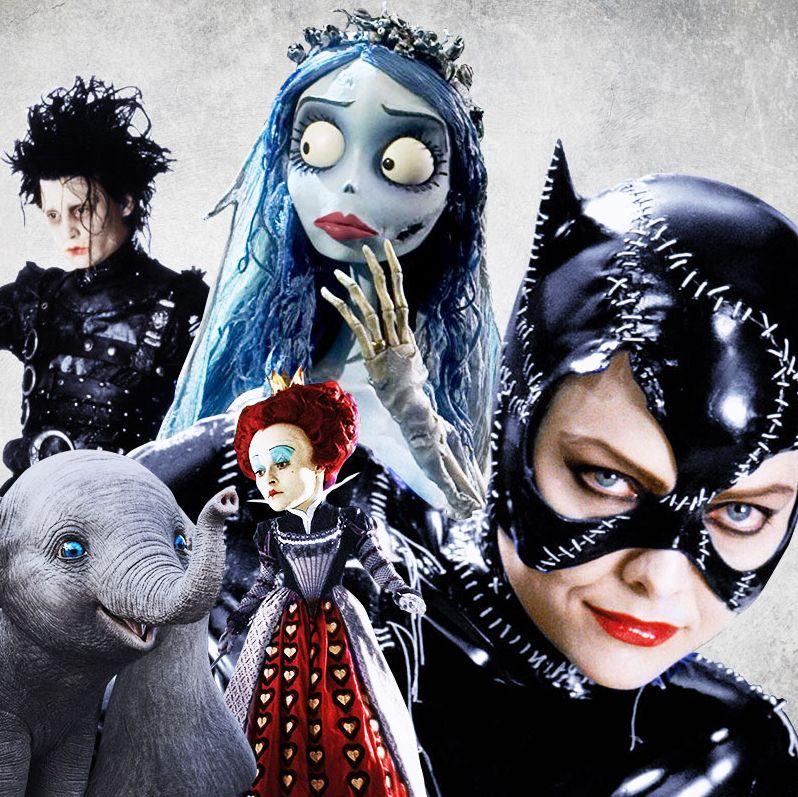
Tim Burton, a director renowned for his whimsical and gothic storytelling, has long been celebrated for his ability to weave deeply imaginative narratives. However, in recent years, some critics argue that his latest films seem to lack the narrative depth that characterized his earlier work. While his distinctive visual style remains unmistakable, the complexity and emotional layers in his storytelling have sometimes been overshadowed by a focus on aesthetics. This shift has sparked discussions among fans and critics alike, questioning whether the enchanting and darkly poetic essence of his narratives is being sacrificed for spectacle.
- Character Development: While his earlier films often showcased intricate character arcs, recent works have been criticized for offering less compelling personal journeys.
- Emotional Resonance: The emotional impact that once left audiences pondering long after the credits rolled seems, at times, to have been diluted.
- Thematic Exploration: Themes that were once explored with nuance and depth are perceived by some as being presented in a more straightforward manner.
Despite these criticisms, Burton’s latest films still retain moments of brilliance, suggesting that the narrative magic may not be entirely lost, but perhaps evolving in ways that invite new interpretations. The challenge remains in balancing his iconic visual flair with the rich storytelling that has defined his legacy.

The Role of Collaborations in Shaping Burtons Recent Works
In recent years, Tim Burton’s artistic evolution has been notably influenced by his collaborations with a diverse array of talents. These partnerships have injected fresh perspectives into his distinctive gothic style, while also posing questions about whether they have diluted his unique creative vision. Burton’s work has seen input from a variety of creative minds, each bringing their own flair and expertise to the table, which has undeniably impacted the final output.
Some of the key collaborators in Burton’s recent projects include:
- Screenwriters: New voices have helped shape narratives, sometimes leading to stories that deviate from the classic Burton-esque themes.
- Producers: Influential figures have brought their own agendas and ideas, potentially steering projects in directions that align more with mainstream trends.
- Actors: The casting of versatile performers has added layers to character portrayals, occasionally overshadowing the quirky essence typical of Burton’s creations.
While these collaborations have certainly expanded the horizon of Burton’s work, they also invite discussions on whether the essence of his original touch is being compromised in the process. As Burton continues to navigate the evolving landscape of cinema, his partnerships will remain a focal point in analyzing the trajectory of his artistic journey.
Strategies for Revitalizing Burtons Cinematic Vision
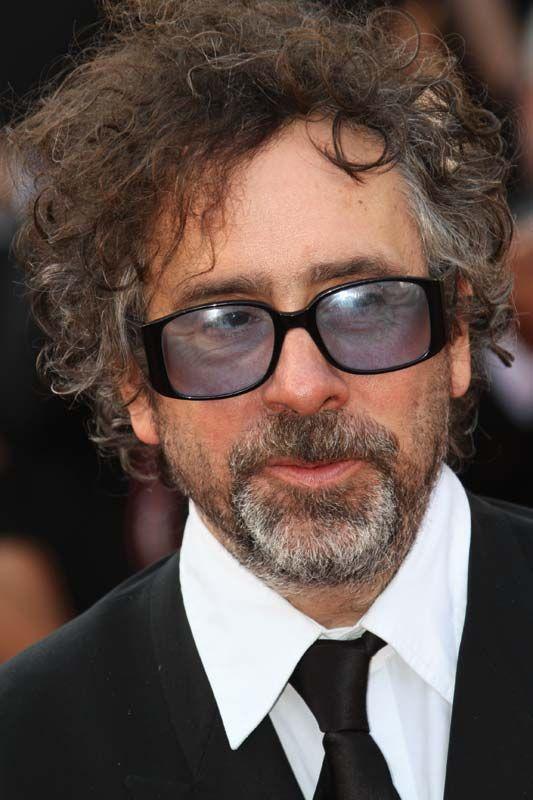
To reignite the spark that once made his films iconic, Burton could consider revisiting some core elements that characterized his early work. Emphasizing storytelling over visual spectacle might be one approach, allowing for deeper emotional connections with audiences. Exploring themes of individuality and outsider identity, which resonated in classics like “Edward Scissorhands” and “Beetlejuice,” could bring back the authenticity fans crave.
- Re-engage with Collaborators: Reuniting with past collaborators such as composer Danny Elfman or writer Caroline Thompson could help in recapturing the magic.
- Focus on Character Depth: Investing time in developing complex, relatable characters might breathe new life into his narratives.
- Experiment with New Genres: Stepping outside his comfort zone could invigorate his creative process, offering fresh perspectives and challenges.
Adopting innovative technology and storytelling techniques could also keep his work relevant in the rapidly evolving cinematic landscape. By balancing his distinctive style with these strategic pivots, Burton has the potential to craft films that are both nostalgically familiar and excitingly new.