In an era where reality television dominates the airwaves, Peter Weir’s 1998 film, The Truman Show, serves as a prescient exploration of the ethical dilemmas inherent in the genre. As audiences worldwide become increasingly captivated by the allure of unscripted drama, the film offers a critical lens through which to examine the moral complexities of broadcasting real lives for entertainment. By chronicling the life of Truman Burbank, an unwitting participant in an intricately fabricated reality, The Truman Show challenges viewers to question the boundaries between authenticity and exploitation. This article delves into the film’s nuanced portrayal of surveillance, consent, and the commodification of human experience, revealing its enduring relevance in today’s media landscape. Through a detailed analysis, we uncover how Weir’s cinematic masterpiece not only anticipates the rise of reality TV but also prompts a vital discourse on the ethical responsibilities of creators and consumers alike.
Examination of Surveillance and Consent in The Truman Show
In The Truman Show, the intricate dance between surveillance and consent serves as a compelling narrative that critiques the ethical boundaries of reality TV. Truman Burbank, unknowingly the star of a meticulously orchestrated reality program, embodies the ultimate breach of personal privacy—a life lived under the lens without informed consent. The film provocatively questions whether the entertainment value justifies the invasion of one’s private life. As viewers, we are prompted to reflect on the moral implications of watching a man unknowingly play out his life for the world’s amusement.
The film raises crucial ethical concerns, particularly through its portrayal of:
- Lack of Consent: Truman’s life is manipulated from birth, with every action monitored by an unseen audience, challenging the notion of free will.
- Emotional Exploitation: The producers exploit Truman’s genuine emotions for ratings, blurring the line between reality and entertainment.
- Power Dynamics: The show creator, Christof, represents the ultimate authority, dictating Truman’s reality and illustrating the potential dangers of unchecked power in media.
Through these elements, The Truman Show serves as a powerful critique of the ethics surrounding reality television, urging audiences to consider the implications of such pervasive surveillance in our own media consumption habits.
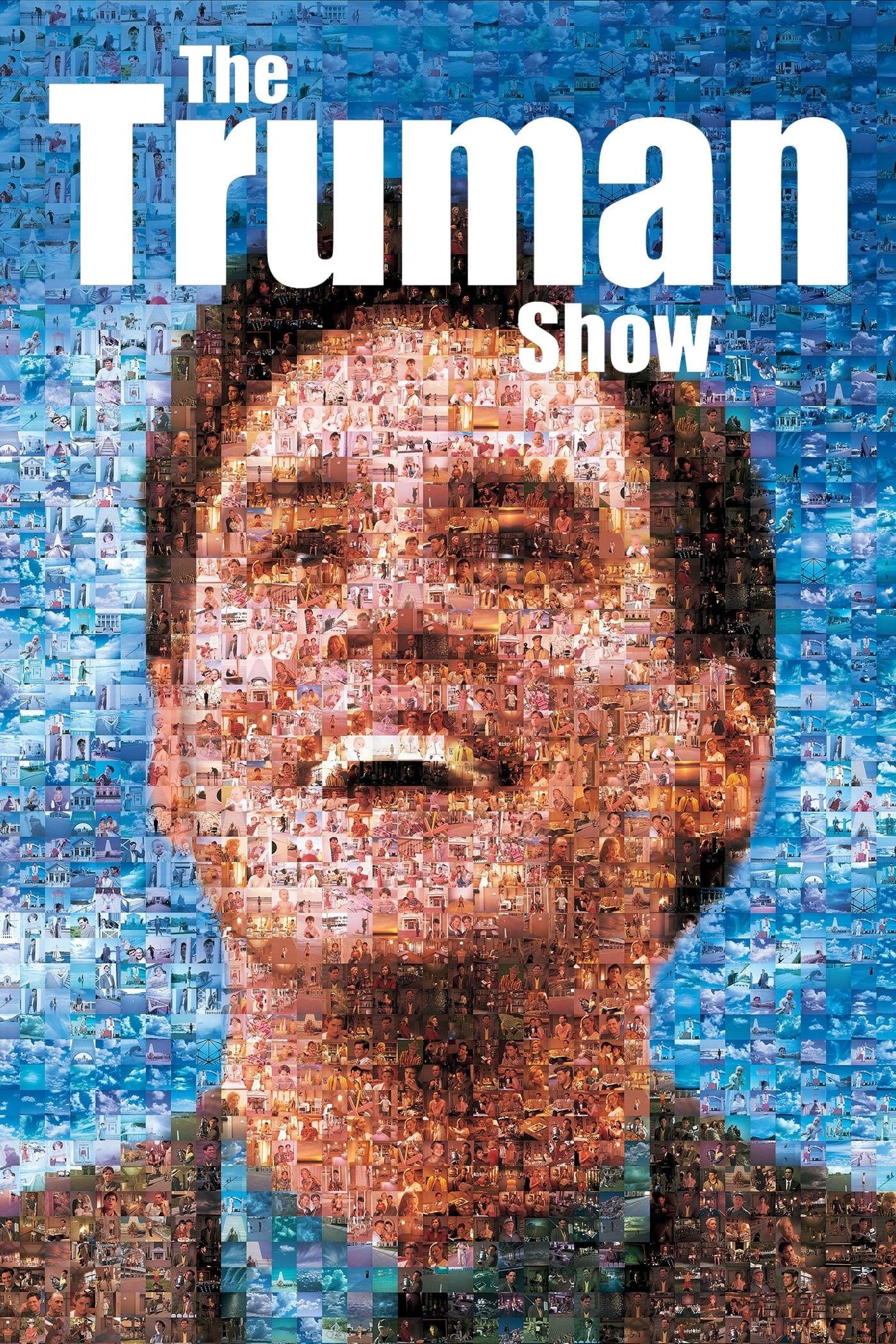
The Psychological Impact of Manufactured Reality on Participants
In “The Truman Show,” the manipulation of Truman’s environment and the constant surveillance to which he is subjected raise significant concerns about the psychological well-being of participants in reality TV. Truman Burbank lives in a world that is meticulously crafted, devoid of authenticity, and teeming with orchestrated interactions, all for the sake of entertainment. The psychological ramifications of such an existence are profound and multifaceted, leading to a life of paranoia, identity crises, and emotional turmoil. When one’s reality is manufactured, the ability to trust not only others but also one’s own perceptions becomes fundamentally compromised. This erosion of trust can result in long-term psychological distress and a skewed sense of self, as seen when Truman begins to question the very fabric of his existence.
Moreover, the ethical implications of exploiting an individual’s life for public consumption are significant. Key psychological impacts include:
- Identity Confusion: Constant manipulation of surroundings leads to uncertainty about one’s true self.
- Paranoia: Awareness or suspicion of being watched causes heightened anxiety and stress.
- Isolation: Lack of genuine connections due to fabricated relationships fosters loneliness.
The film poignantly illustrates the dangerous consequences of prioritizing entertainment over the mental health and autonomy of individuals, urging a reconsideration of the ethics behind reality television.

Analyzing the Role of Media Manipulation and Audience Responsibility
The Truman Show offers a profound exploration of media manipulation by depicting a world where the boundaries between reality and entertainment are deliberately blurred. This film serves as a powerful critique of how media can shape and distort reality to serve commercial interests. The producers of the show, led by the enigmatic Christof, control every aspect of Truman’s life, from the weather to his relationships, underscoring the ethical concerns of manipulating real lives for the sake of viewer ratings. The meticulous orchestration of Truman’s world highlights the media’s potential to influence public perception, raising questions about the ethical implications of such control.
- Selective Presentation: The creators of the show choose what Truman sees and experiences, echoing how media often presents a curated version of reality.
- Invasion of Privacy: Truman’s life is broadcasted without his consent, mirroring concerns about surveillance and privacy in modern media.
- Audience Complicity: The viewers of the show, much like real-world audiences, become complicit in this manipulation by consuming content uncritically.
The film also turns the lens on the audience, questioning their responsibility in perpetuating this cycle. As Truman begins to uncover the truth, it challenges viewers to reflect on their own consumption habits. Are we, as an audience, passively accepting manipulated narratives, or do we hold media accountable for ethical standards? By confronting these issues, The Truman Show urges us to consider our role in demanding authenticity and transparency from the media we consume.

Recommendations for Ethical Standards in Reality Television Production
The ethical landscape of reality television production is vividly explored in The Truman Show, offering a profound commentary on the responsibilities of creators towards their subjects. At its core, the film highlights the importance of consent and transparency, suggesting that participants should be fully informed and willing, understanding the extent of their involvement and the potential impact on their lives. It challenges producers to consider the moral implications of manipulating real lives for entertainment, emphasizing the need for clear boundaries between personal privacy and public exposure.
- Respect for Participants: Ensuring that individuals are treated with dignity and that their rights are upheld throughout the production process.
- Informed Consent: Providing comprehensive information to participants about the nature and potential consequences of their participation.
- Authenticity: Striving to present real stories and experiences without distortion or sensationalism.
- Psychological Safety: Offering support and resources to participants to protect their mental and emotional well-being.
By examining these aspects, The Truman Show serves as a critical reminder for producers to adopt ethical standards that respect and protect the individuals who make reality television possible. It underscores the necessity of balancing entertainment value with moral responsibility, ensuring that the pursuit of captivating content does not come at the expense of human dignity.