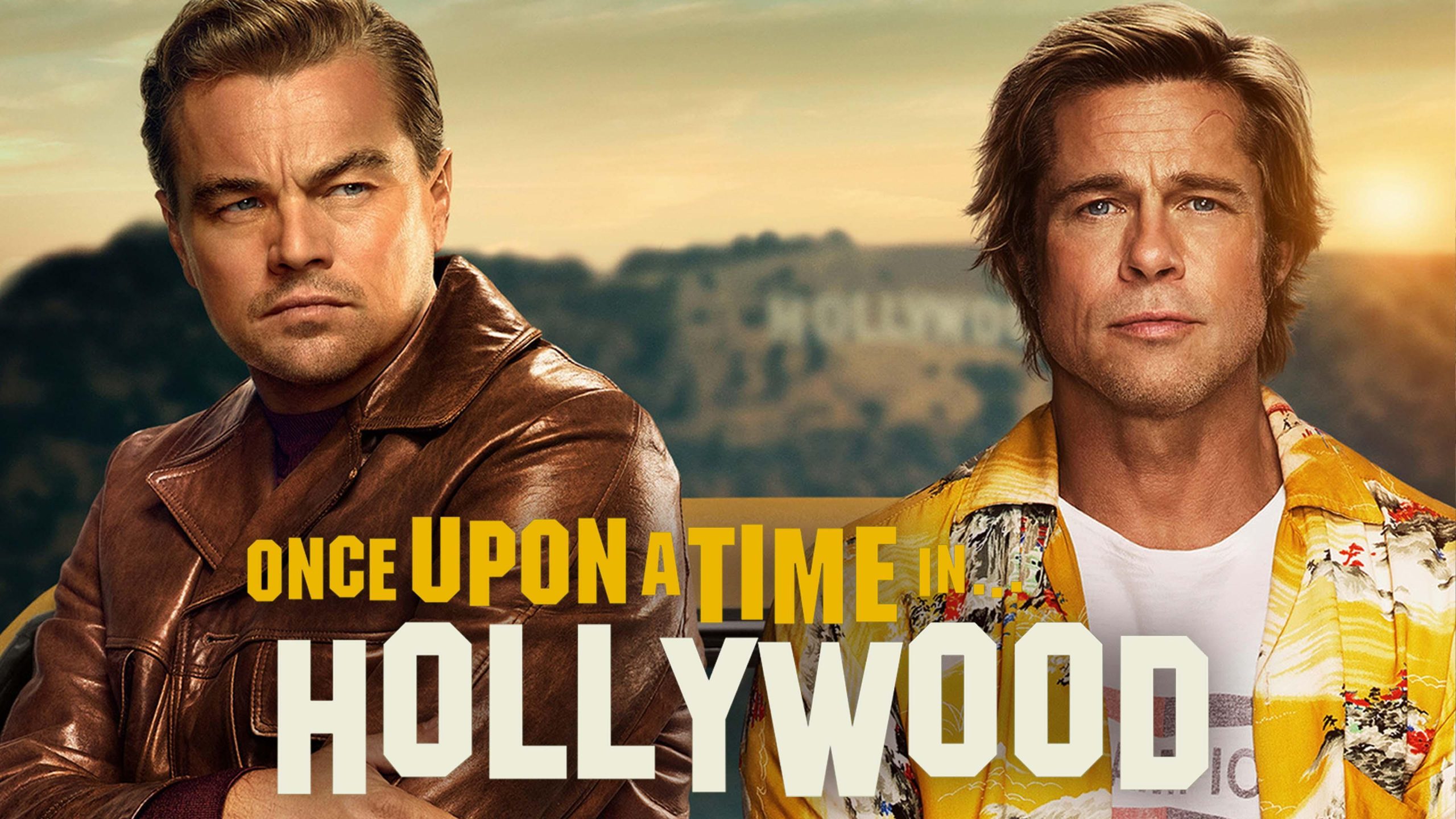
In Quentin Tarantino‘s “Once Upon a Time in Hollywood,” audiences are transported to a meticulously crafted vision of 1969 Los Angeles, a world where the golden age of cinema collides with the darker realities of cultural upheaval. This film is both a love letter to a bygone era and a provocative reimagining of historical events, leaving viewers to ponder whether it is primarily a nostalgic fantasy or a bold revisionist tale. Through a blend of cinematic homage and narrative reinvention, Tarantino challenges our perceptions of history and memory, inviting an exploration of how fiction and reality intertwine in the collective imagination. This article delves into the intricate layers of the film, examining the interplay of nostalgia and revisionism that defines its unique narrative approach, and questioning what this duality reveals about our relationship with the past.
Exploring the Layers of Nostalgia in Tarantinos Cinematic Universe
Quentin Tarantino’s oeuvre often dances on the fine line between homage and reinvention, and “Once Upon a Time in Hollywood” stands as a testament to this balancing act. The film is a mosaic of bygone eras, painting 1969 Los Angeles with broad strokes of nostalgia that evoke the glamour and grit of a transformative time in cinema history. Tarantino layers his narrative with elements that are both familiar and fantastical, urging viewers to question whether they are witnessing a love letter to a lost Hollywood or a bold reimagining of its darker moments. This cinematic tapestry is woven with:
- Iconic References: From vintage cars to period-specific music, every frame serves as a portal to the past.
- Historical Revisions: The film daringly rewrites real-life events, particularly in its climactic moments, challenging the audience’s perception of history.
- Character Archetypes: Tarantino resurrects the archetypal fading star and his loyal stunt double, grounding them in a narrative that is both intimate and expansive.
By crafting a narrative that is simultaneously reflective and subversive, Tarantino invites audiences to ponder the nature of nostalgia itself. Is it a mere yearning for a past that never truly existed, or a potent tool for reshaping our understanding of history? Through its intricate layers, the film blurs the boundaries between reality and fantasy, urging viewers to navigate the complex interplay of memory and imagination.

Analyzing the Intersection of Fiction and Historical Reality
Quentin Tarantino’s “Once Upon a Time in Hollywood” serves as a compelling case study for exploring the delicate balance between fiction and historical reality. The film reimagines the tumultuous era of late 1960s Hollywood, blending real-life events with fictional narratives. This raises the question: is Tarantino’s work merely a nostalgic fantasy, or does it function as a revisionist tale that alters historical perception?
On one hand, the film’s rich tapestry of pop culture references and iconic landmarks offers viewers a nostalgic journey through a bygone era. Tarantino meticulously reconstructs the vibrant atmosphere of 1969 Los Angeles, creating a sense of longing for a simpler, more glamorous time. However, it’s crucial to consider the film’s revisionist elements, which challenge historical accuracy. By altering the outcome of infamous events, such as the Manson Family murders, Tarantino crafts a narrative that empowers fictional characters over historical fact. This approach raises important questions about the ethical implications of rewriting history for entertainment purposes, including:
- Does altering historical events for storytelling purposes diminish the real-life tragedies?
- Can such revisions offer a form of catharsis or justice that reality could not provide?
- How do these fictional portrayals influence public memory and understanding of historical events?

The Role of Revisionist Storytelling in Modern Cinema
In modern cinema, revisionist storytelling serves as a powerful tool to reshape and reinterpret historical narratives, offering filmmakers a canvas to explore alternative realities and question established truths. Quentin Tarantino’s Once Upon a Time in Hollywood is a prime example, blurring the lines between nostalgic homage and bold reimagining. The film intricately weaves a tapestry of 1960s Hollywood, not merely as a backdrop but as a living, breathing character. Through its deliberate subversion of historical events, it challenges viewers to ponder the impact of cinema on our collective memory.
- Challenging Conventional Narratives: By altering historical outcomes, the film invites audiences to reconsider the boundaries between reality and fiction.
- Empowering New Perspectives: It provides a platform for marginalized voices and alternative viewpoints, often sidelined in traditional storytelling.
- Encouraging Critical Engagement: Viewers are prompted to engage more deeply with the source material and the socio-cultural context it reflects.

Recommendations for Appreciating Tarantinos Artistic Vision
To truly appreciate Quentin Tarantino’s artistic vision in ”Once Upon a Time in Hollywood,” it’s essential to delve into the layers of storytelling and cinematic homage that define his work. Tarantino’s films often challenge conventional narratives, blending reality with fiction in a way that feels both nostalgic and refreshingly original. Pay attention to the meticulous details in his set designs and costumes, which are not just aesthetic choices but integral parts of the narrative. These elements transport viewers to a bygone era, yet they serve a dual purpose by questioning the authenticity of Hollywood’s golden age. This duality is a hallmark of Tarantino’s style, inviting audiences to engage with the film on multiple levels.
- Engage with the dialogue: Tarantino’s scripts are rich with subtext and cultural references, offering a window into the socio-political climate of the era depicted.
- Observe the character arcs: Each character is crafted with depth, serving as a vessel for Tarantino’s commentary on fame, success, and the film industry.
- Explore the musical choices: The soundtrack is not just background noise but a narrative device that evokes specific emotions and enhances the storytelling.
By examining these facets, one can discern whether “Once Upon a Time in Hollywood” is a mere nostalgic fantasy or a complex revisionist tale. Tarantino’s artistry lies in his ability to intertwine these elements, creating a film that is as much about the past as it is a commentary on the present.