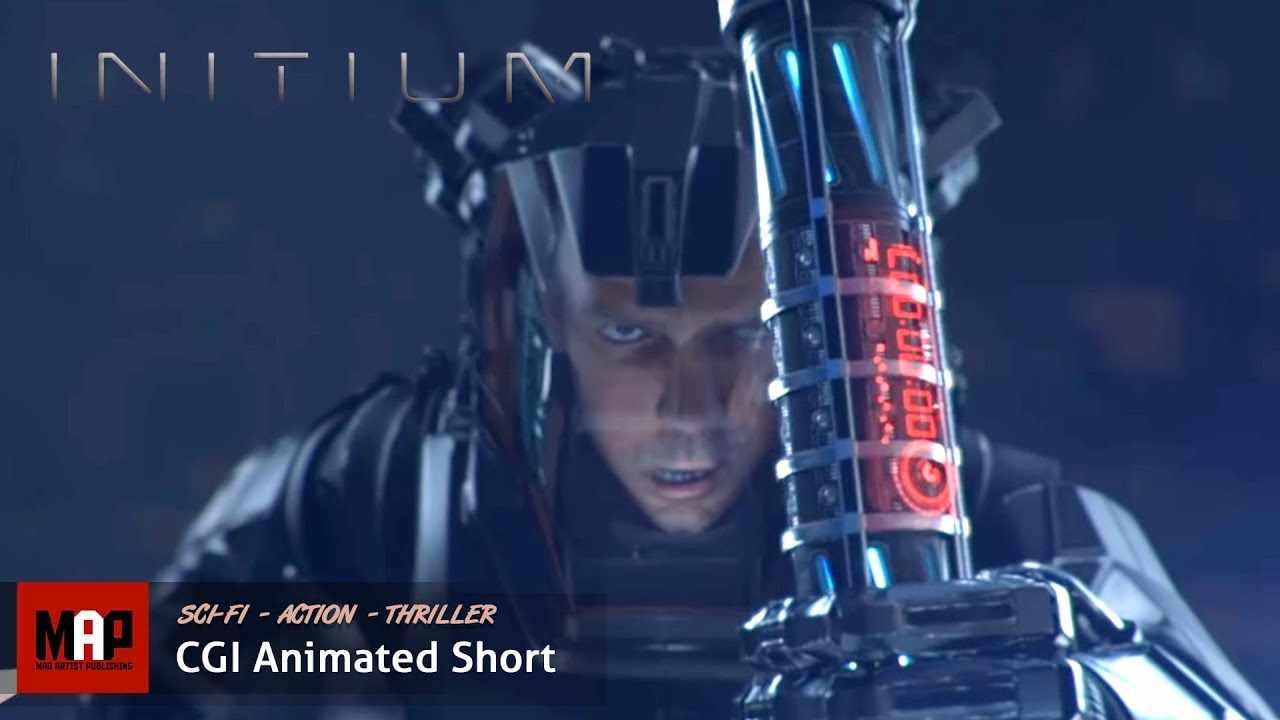
In the vast cosmos of cinematic storytelling, where imagination knows no bounds, science fiction has long served as a gateway to worlds beyond our own. It is a genre that thrives on the interplay between the conceivable and the fantastical, inviting audiences to ponder the possibilities of the universe. Yet, as technology advances at warp speed, a new frontier has emerged: the dazzling realm of computer-generated imagery (CGI) and visual effects. Once a mere tool in the filmmaker’s arsenal, CGI now often takes center stage, transforming the landscape of sci-fi cinema into a spectacle of sights and sounds. But amid this visual extravaganza, a question arises, echoing through the corridors of film criticism and fan discussions alike: Is science fiction becoming too focused on its digital dazzle, perhaps at the expense of its narrative depth and philosophical roots? This article embarks on an exploratory journey to examine the evolving role of CGI in sci-fi, weighing its contributions and considering whether the genre’s heart still beats beneath the sheen of pixels and special effects.
The Allure of Spectacle: How CGI Dominates Modern Sci-Fi Narratives
In recent years, the landscape of science fiction has been dramatically transformed by the omnipresence of CGI and cutting-edge visual effects. While these technological advancements have undeniably expanded the boundaries of what filmmakers can portray on screen, there’s an ongoing debate about whether the heart of sci-fi storytelling is being overshadowed by its visual grandeur. With the rise of intricate digital landscapes and photorealistic alien worlds, audiences are often left to wonder if the narrative depth is being sacrificed for the sake of spectacle.
- Visual Overload: The sheer volume of CGI can sometimes lead to a sensory overload, where the storyline takes a backseat to eye-popping visuals.
- Character Development: In some cases, the focus on effects might dilute character arcs, making them secondary to the special effects showcase.
- Cost vs. Creativity: As budgets swell to accommodate high-end CGI, there’s a concern that financial priorities might stifle creative storytelling.
While CGI has enabled filmmakers to bring visions to life that were once considered impossible, striking a balance between stunning visuals and compelling narratives remains a challenge. The allure of spectacle is undeniable, but the essence of science fiction lies in its ability to explore profound themes and imaginative storytelling, beyond the glitter of digital wizardry.
Balancing Story and Spectacle: Crafting Sci-Fi That Resonates Beyond Visuals
In the quest to captivate audiences, modern science fiction often leans heavily on dazzling visual effects and cutting-edge CGI, sometimes overshadowing the narrative core. While the allure of immersive worlds and stunning visuals is undeniable, it’s essential to remember that what truly resonates with audiences is a story that touches the heart and stimulates the mind. To achieve this delicate balance, creators can focus on a few key elements:
- Character Development: Craft characters that evolve, face dilemmas, and elicit empathy. A well-rounded character can anchor the narrative amidst the most fantastical settings.
- Engaging Plot: Ensure that the storyline is compelling and coherent, allowing the audience to invest in the journey, not just the destination.
- Thought-Provoking Themes: Address societal issues, ethical dilemmas, or existential questions that linger long after the credits roll.
By weaving these elements into the fabric of sci-fi, creators can produce works that not only dazzle visually but also resonate deeply, standing the test of time and sparking conversation beyond the screen.
The Art of Restraint: When Less CGI Can Mean More Impact
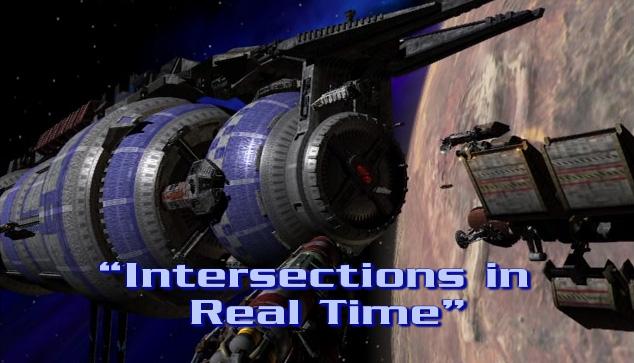
In an era where digital landscapes and elaborate visual spectacles dominate the sci-fi genre, there lies a subtle yet powerful narrative tool that often gets overshadowed: restraint. The strategic use of minimal CGI can elevate a film’s storytelling by fostering a more intimate connection between the audience and the characters. By focusing on practical effects and real-world locations, filmmakers can ground their stories in a tangible reality, making the extraordinary feel accessible and, paradoxically, more believable.
- Emotional Depth: Without an over-reliance on visual effects, actors are given the space to explore and convey deeper emotional nuances, allowing viewers to engage more profoundly with the storyline.
- Timeless Quality: Films that emphasize practical effects often age more gracefully, avoiding the pitfalls of outdated CGI and maintaining a timeless appeal.
- Enhanced Creativity: Limitations can inspire innovation. With fewer digital crutches, filmmakers are pushed to think outside the box, resulting in unique and memorable cinematic experiences.
Ultimately, the art of restraint in sci-fi filmmaking invites audiences to use their imagination, transforming the viewing experience from a passive spectacle to an active engagement. By doing so, the genre can reclaim its role not just as a visual marvel but as a compelling narrative force.
Reimagining Sci-Fi: Prioritizing Storytelling Over Visual Dazzle
In the realm of science fiction, the allure of visual effects often takes center stage, but a growing chorus of voices advocates for a return to storytelling roots. This shift emphasizes the richness of narrative over the glitz of CGI. Science fiction at its core is about exploring the unknown, questioning our existence, and challenging the status quo. It’s a genre that thrives on ideas and innovation, not just spectacle.
- Character Development: Creating complex characters who face moral dilemmas or undergo significant growth can be more impactful than the most stunning visuals.
- Thought-Provoking Themes: Exploring themes such as artificial intelligence ethics, the future of humanity, and the consequences of technological advancements invites deeper engagement.
- Innovative World-Building: Instead of relying solely on CGI, innovative storytelling can build immersive worlds through detailed lore and cultural nuances.
By prioritizing these elements, science fiction can offer experiences that resonate long after the credits roll, reminding us that the power of imagination often outshines even the most dazzling effects.