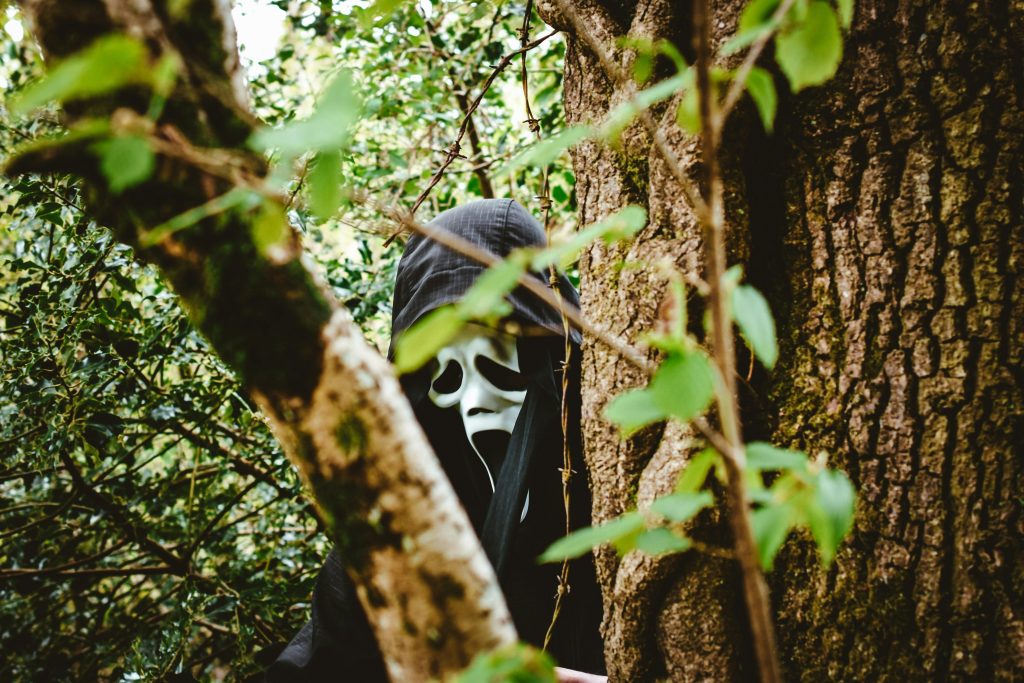
In the dimly lit corridors of cinema history, where shadows dance and suspense lingers like a haunting melody, the true architects of fear and fascination emerge: the iconic villains. These characters, with their devilish charm and unsettling charisma, have transcended the silver screen to become legends in their own right. They are the enigmatic puppeteers of our nightmares and the unsung heroes of storytelling, challenging our perceptions of good and evil. As we delve into the realm of the most iconic villains in film history, prepare to be captivated by their cunning plots, unforgettable lines, and the indelible mark they leave on our collective imagination. Here, in the heart of darkness, we celebrate the masterminds who have redefined villainy, one sinister smile at a time.
Unmasking Evil: Delve into the Minds Behind Cinemas Greatest Antagonists
In the dimly lit corridors of cinematic history, certain villains stand as towering monoliths of malevolence. These characters have etched themselves into our collective consciousness, not just as adversaries to the protagonists, but as complex embodiments of the dark recesses of human nature. Darth Vader, with his ominous breathing and tragic backstory, is not merely a Sith Lord but a symbol of the eternal struggle between light and darkness. Similarly, Hannibal Lecter, with his chilling intellect and refined taste, captivates audiences with a sinister charm that blurs the lines between monster and man.
- The Joker – From the chaotic anarchy of Heath Ledger’s portrayal to the chilling nihilism of Joaquin Phoenix, this clown prince of crime stands as a testament to the unpredictable nature of evil.
- Norman Bates – Alfred Hitchcock’s creation in “Psycho” invites viewers to peer into the disturbed psyche of a seemingly ordinary man, revealing the horrifying potential for madness lurking beneath the surface.
- Voldemort – J.K. Rowling’s dark wizard is not just a villain in the Harry Potter series, but a chilling representation of the fear of the unknown and the seductive power of hatred.
These characters, among others, have not only defined the films they inhabit but have also transcended the screen to become cultural icons. They remind us that the most compelling villains are those who reflect our deepest fears and darkest desires, challenging us to confront the shadows within ourselves.

Timeless Terror: How Iconic Villains Shaped the Film Industry
The realm of cinema is rich with characters that linger in the minds of audiences long after the credits roll. Among these are the iconic villains who have not only terrified viewers but also redefined storytelling. These antagonists are not mere obstacles for the protagonists; they are complex, charismatic, and sometimes, even relatable. Here are some films where the villain has become a cultural cornerstone:
- The Joker in The Dark Knight: A chaotic force of nature, Heath Ledger’s portrayal of this character is both terrifying and mesmerizing, challenging the very essence of heroism.
- Darth Vader in Star Wars saga: With his deep voice and imposing presence, Vader remains a symbol of power and redemption, his story arc one of the most compelling in cinematic history.
- Hannibal Lecter in The Silence of the Lambs: Anthony Hopkins’ chilling performance as the brilliant yet cannibalistic psychiatrist brought a new dimension to psychological horror.
- Norman Bates in Psycho: Alfred Hitchcock’s creation redefined horror, introducing audiences to the terrifying possibility of evil lurking beneath the surface of the ordinary.
- Lord Voldemort in the Harry Potter series: A dark wizard whose quest for immortality and power provides a thrilling backdrop to Harry’s journey, embodying fear and obsession.
These villains have not only shaped the narratives of their respective films but have also left an indelible mark on the film industry, inspiring countless adaptations and interpretations. Their stories remind us of the complexity of human nature, blurring the lines between good and evil.
The Art of Fear: Unforgettable Performances that Redefined Villainy
The silver screen has long been a canvas for the portrayal of evil, with certain performances etching themselves into our collective consciousness. These portrayals are not just about malevolence; they are a masterclass in acting, with actors immersing themselves so deeply into their roles that they redefine what it means to be a villain. These characters are more than just adversaries; they are a chilling embodiment of fear and intrigue.
- Heath Ledger as The Joker in “The Dark Knight” – A performance that transcended the superhero genre, Ledger’s Joker was an anarchic force of chaos, leaving audiences both captivated and disturbed.
- Anthony Hopkins as Hannibal Lecter in “The Silence of the Lambs” – With his unnerving calm and intellectual charisma, Hopkins transformed Lecter into a cultural icon of psychological horror.
- Javier Bardem as Anton Chigurh in “No Country for Old Men” – Bardem’s portrayal of the cold, methodical killer is haunting, a stark reminder of the relentless nature of evil.
- Anthony Perkins as Norman Bates in “Psycho” – Perkins’ unnerving duality as the seemingly innocent yet deeply disturbed Bates forever changed the landscape of horror cinema.
- Ralph Fiennes as Amon Göth in “Schindler’s List” – Fiennes delivered a chilling depiction of real-world evil, bringing a terrifying authenticity to his role as the brutal Nazi commandant.

Must-Watch Masterpieces: Films Featuring Cinemas Most Memorable Villains
In the pantheon of cinema, villains have often stolen the spotlight, leaving audiences both terrified and mesmerized. These antagonists aren’t just obstacles for the heroes; they are richly crafted characters that linger in the minds of viewers long after the credits roll. Heath Ledger’s Joker in “The Dark Knight” redefined the comic book villain with his chaotic philosophy and chilling unpredictability. Ledger’s performance transcended the genre, crafting a villain that was both terrifying and tragically compelling. Equally unforgettable is Hannibal Lecter, portrayed by Anthony Hopkins in “The Silence of the Lambs.” With his refined manners and chilling intellect, Lecter remains a paragon of psychological horror, ensnaring audiences with every calculated word.
- Darth Vader – The embodiment of power and redemption in the “Star Wars” saga.
- Norman Bates – The seemingly innocuous motel owner with a dark secret in “Psycho.”
- Annie Wilkes – The obsessive fan who turns sinister in “Misery.”
- Anton Chigurh – A relentless force of nature in “No Country for Old Men.”
These characters, through their complex narratives and unforgettable performances, have earned their place as cinematic legends. Their influence extends beyond their films, shaping the way we understand the nature of evil and its role in storytelling. The sheer depth and charisma they bring to the screen ensure they remain fixtures in the cultural consciousness, serving as benchmarks for all future villains to aspire to.