In the vast and ever-expanding realm of fantasy literature, few titles resonate as profoundly as J.R.R. Tolkien’s “The Lord of the Rings.” This epic saga, woven with intricate detail and imbued with timeless themes, has captivated the imaginations of millions across generations. But amid the myriad tales of dragons, magic, and epic quests that have emerged since its publication, a compelling question arises: Should “The Lord of the Rings” be considered the pinnacle of fantasy literature? As we embark on this exploration, we delve into the depths of Middle-earth, examining the unparalleled influence and enduring legacy of Tolkien’s magnum opus. With confidence, we aim to unravel the threads of this monumental series, weighing its merits and shortcomings to determine its rightful place atop the fantasy pantheon. Join us on this journey through shadow and flame, as we seek to uncover whether the One Ring truly rules them all.
Epic World-Building and Timeless Themes
In the realm of fantasy literature, few works have captured the imagination and hearts of readers as profoundly as J.R.R. Tolkien’s The Lord of the Rings. This epic saga stands as a monumental achievement in world-building, crafting a universe so detailed and immersive that it feels almost tangible. From the rolling hills of the Shire to the towering peaks of Mordor, Tolkien’s Middle-earth is a testament to his unparalleled ability to create a setting that is both vast and intricately detailed. The landscapes, languages, and cultures he devised are not mere backdrops but integral elements that enrich the narrative, inviting readers to explore a world where every leaf and stone has its own story.
Beyond its extraordinary setting, the series delves into timeless themes that resonate across generations. Courage, friendship, and the eternal struggle between good and evil are woven into the fabric of the tale, offering insights that are as relevant today as they were when the books were first published. Consider the following themes that continue to captivate audiences:
- Hope and Resilience: In the face of overwhelming darkness, characters like Frodo and Sam exemplify the indomitable spirit of hope.
- Power and Corruption: The allure and peril of power are explored through the One Ring and its impact on those who seek to wield it.
- Unity in Diversity: The fellowship itself is a microcosm of diverse races and cultures uniting for a common cause.
These themes, seamlessly interwoven with the narrative, elevate the series beyond mere fantasy, making it a timeless reflection on the human condition.
Character Arcs and Moral Complexity
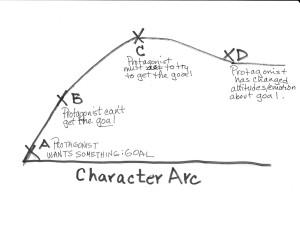
One of the most compelling aspects of The Lord of the Rings is its intricate character arcs and the profound moral complexities woven into the narrative. J.R.R. Tolkien crafts characters who are not merely defined by their roles in the story, but by their evolving personal journeys and ethical dilemmas. Frodo Baggins, for instance, embarks on a transformative quest that tests his resilience and purity of heart, while simultaneously exploring themes of power and corruption. His struggle with the influence of the One Ring is a testament to the nuanced depiction of moral ambiguity.
The series also presents a diverse tapestry of other characters, each embodying a unique moral spectrum. Consider the enigmatic figure of Gollum, whose duality and internal conflict add depth to the narrative. His character prompts readers to question the nature of evil and the potential for redemption. Meanwhile, characters like Boromir and Saruman showcase the seductive allure of power and the perilous path of ambition. Through these characters, Tolkien invites readers to ponder essential questions about choice, sacrifice, and the essence of good and evil.
- Frodo Baggins: A journey of resilience and moral testing.
- Gollum: The embodiment of duality and internal conflict.
- Boromir: The struggle between duty and ambition.
- Saruman: The fall from wisdom to corruption.

Influence on Modern Fantasy Literature
The impact of J.R.R. Tolkien’s magnum opus on contemporary fantasy literature is nothing short of monumental. The Lord of the Rings has set a benchmark for world-building, character development, and the use of mythological themes. Its influence is evident in numerous fantasy series that have followed, inspiring writers to craft intricate worlds and compelling narratives. Notable authors like George R.R. Martin, Patrick Rothfuss, and Brandon Sanderson have openly acknowledged Tolkien’s work as a foundational cornerstone for their own storytelling endeavors.
- Richly developed languages and cultures that add depth to fictional worlds.
- Epic quests and the classic battle of good versus evil as central plot devices.
- A focus on the hero’s journey, often featuring reluctant protagonists.
Furthermore, Tolkien’s ability to weave environmental and linguistic details into his narratives has encouraged a new generation of writers to pay meticulous attention to the setting and lore of their own universes. This has not only enriched the genre but also expanded the horizons of readers who crave immersive and complex literary experiences. As such, it’s challenging to find a modern fantasy series that hasn’t been, in some way, touched by the legacy of Middle-earth.
Balancing Nostalgia with Fresh Perspectives
The grandeur of J.R.R. Tolkien’s The Lord of the Rings undeniably set a benchmark in the fantasy genre. Its rich world-building, intricate languages, and epic battles have captivated readers for decades. Yet, as we celebrate its monumental influence, it’s crucial to balance this nostalgia with an openness to fresh perspectives. Fantasy literature has evolved, introducing diverse voices and innovative narratives that challenge traditional tropes. While Tolkien’s work is iconic, it exists within a broader tapestry of stories that deserve recognition.
- Diverse Voices: Modern fantasy includes a spectrum of cultures and backgrounds, offering stories that reflect a wider range of human experiences.
- Innovative Storytelling: Authors experiment with non-linear narratives, unreliable narrators, and complex moral questions.
- Expanded Themes: Contemporary works often address social issues, such as identity, power dynamics, and environmental concerns, adding depth to the genre.
By embracing these new stories, we enrich our understanding of what fantasy can be. While The Lord of the Rings remains a cornerstone, acknowledging the vibrant evolution of the genre invites a more inclusive and dynamic appreciation of fantasy literature.