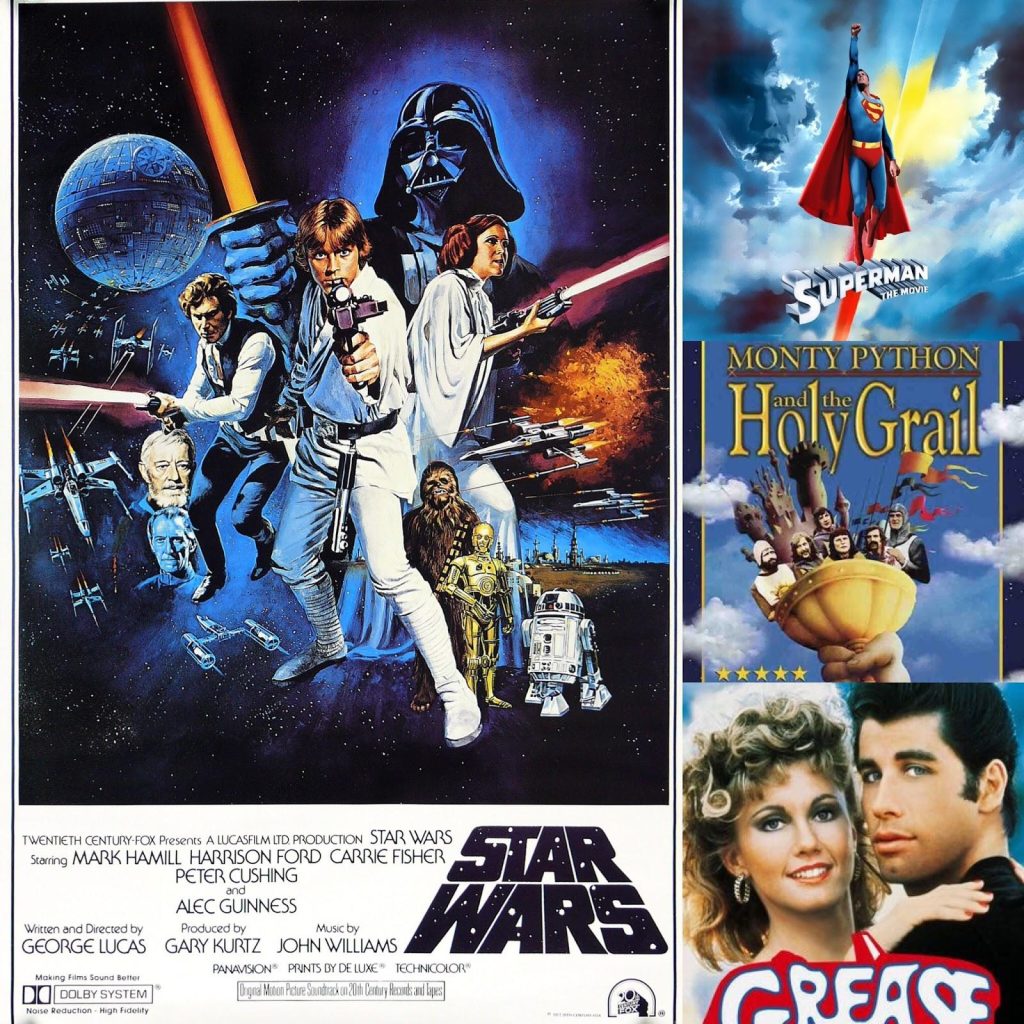
In the dimly lit theaters of yesteryear, cinematic classics flickered to life, captivating audiences with their tales of romance, adventure, and intrigue. These films, now enshrined in the annals of movie history, continue to be celebrated for their artistic brilliance and pioneering spirit. Yet, as modern viewers return to these celluloid treasures, they are often met with cultural values that clash with contemporary sensibilities. This dichotomy poses a thought-provoking question: should we continue to celebrate these classic films despite their dated cultural values? In this exploration, we delve into the heart of this debate, weighing the artistic merit and historical significance of these films against the evolving landscape of cultural awareness. Join us as we navigate the intricate dance between nostalgia and progress, examining the role these cinematic gems should play in today’s world.
Reflecting on Timeless Narratives: Balancing Appreciation and Critique
As we revisit classic films, it becomes imperative to recognize the duality of our experience. On one hand, these films often represent monumental achievements in storytelling, cinematography, and performance. They have shaped the art of filmmaking and continue to inspire contemporary creators. On the other hand, they may also reflect cultural values and stereotypes that are outdated or even offensive by today’s standards.
- Appreciation: Classic films offer a window into the past, showcasing historical context and artistic innovation.
- Critique: Some narratives perpetuate stereotypes or ignore diverse perspectives, necessitating a critical viewing lens.
- Balance: It’s crucial to engage with these films thoughtfully, acknowledging both their artistic merits and their cultural shortcomings.
In balancing appreciation with critique, viewers are encouraged to engage with these narratives critically, understanding the evolution of societal values while cherishing the artistry that made these films timeless.

Understanding Historical Context: A Key to Unlocking Classic Films
Classic films serve as cultural artifacts, offering glimpses into the societal norms and values of their time. Understanding the historical context in which these films were made can be crucial to appreciating their artistic and cultural significance. The cultural, political, and social environments of the past shaped these cinematic creations, infusing them with themes and narratives that may seem outdated or controversial today. Recognizing this context allows us to engage with these films more thoughtfully, acknowledging their place in the cultural tapestry while critically evaluating their messages.
- Cultural Context: Films often mirror the prevailing cultural attitudes and social norms of their era, offering insight into the zeitgeist.
- Political Influences: The political climate can significantly impact the themes and narratives explored in classic films, reflecting contemporary ideologies.
- Social Dynamics: Understanding the social structures and dynamics of the time can help decode character motivations and plot developments.
In this light, celebrating classic films doesn’t mean endorsing all their values. Instead, it means appreciating their role in the cinematic landscape while engaging in critical discussions about how these values resonate—or clash—with modern perspectives. Through this lens, we can both honor and scrutinize classic films, ensuring they remain relevant and educational in today’s ever-evolving cultural dialogue.

Modern Audiences and Old Values: Navigating Cultural Sensitivities
In the age of streaming and instant access to a vast cinematic history, modern audiences often find themselves grappling with the cultural values embedded in classic films. While these movies offer a nostalgic glimpse into a bygone era, they also carry the social norms and stereotypes of their time, which can clash with contemporary sensibilities. As viewers, it’s important to critically engage with these films, recognizing both their artistic merits and their dated cultural contexts.
Here are a few considerations for approaching classic films with cultural sensitivities in mind:
- Contextual Understanding: Before pressing play, research the film’s historical background and societal influences.
- Diverse Perspectives: Seek out discussions and analyses from various cultural viewpoints to enrich your understanding.
- Open Dialogue: Encourage conversations about the film’s themes, both problematic and praiseworthy, to foster a more inclusive appreciation of cinema history.
By acknowledging the complex layers within these cinematic relics, we can celebrate their contributions to film art while also advocating for a more culturally aware viewing experience.

Curating the Classics: Recommendations for Inclusive Celebrations
Classic films often reflect the cultural values and social norms of their time, which can sometimes feel out of step with modern sensibilities. As we curate these cinematic gems for contemporary audiences, it’s essential to approach them with a mindset of inclusivity and awareness. This doesn’t mean discarding them altogether but rather providing a context that acknowledges their historical backdrop while highlighting how cultural values have evolved. Consider adding content warnings for sensitive material, offering discussion guides that encourage dialogue about the film’s themes, and creating educational resources that shed light on the cultural shifts since the film’s release.
To create an inclusive celebration of these films, consider the following approaches:
- Host panel discussions featuring diverse voices to explore the film’s impact and relevance today.
- Include companion pieces or short films from underrepresented filmmakers that offer alternative perspectives.
- Facilitate interactive workshops that engage audiences in reimagining classic narratives through a modern lens.
By thoughtfully curating these films, we can appreciate their artistry while fostering a more inclusive understanding of their place in cinematic history.