In the vast expanse of the cinematic universe, few genres have captured the essence of human existence quite like science fiction. As we journey through time and space, encountering alien worlds and futuristic technologies, these films hold up a mirror to our own humanity. They pose profound questions about identity, consciousness, and morality, challenging us to consider what truly defines us as human. This exploration of the best sci-fi films delves into narratives that transcend the fantastical, offering a lens through which we can examine our own lives. Through imaginative storytelling and visionary artistry, these movies invite us to ponder the complexities of our nature and the boundless potential of the human spirit. Join us as we embark on a voyage through the stars and the soul, discovering the films that illuminate what it means to be human.
In Search of Identity and Purpose
In the vast universe of science fiction, the quest for identity and purpose is a recurring theme that challenges characters to confront their own humanity. These films often delve into profound questions about consciousness, individuality, and existence, inviting viewers to reflect on their own lives. Through captivating narratives and futuristic settings, sci-fi films offer a unique lens through which we can explore the essence of what it means to be human.
- Artificial Intelligence: Many films explore the intersection of technology and humanity, examining how artificial beings grapple with human emotions and desires.
- Existential Journeys: Characters embark on voyages across space and time, searching for meaning in a seemingly indifferent universe.
- Identity Crisis: The struggle to define oneself in a world that constantly changes poses questions about the permanence of identity.
- Moral Dilemmas: The ethical challenges faced by characters often mirror our own, forcing them to confront their values and beliefs.
These elements combine to create narratives that are not only entertaining but also thought-provoking, encouraging audiences to ponder the deeper questions of life.
Artificial Intelligence and the Human Condition
Science fiction has long served as a reflective lens through which we examine the intricate dance between technology and our innermost humanity. Films in this genre often pose existential questions and delve into the complexities of human emotions, consciousness, and identity. These narratives push us to consider how artificial intelligence influences our understanding of what it means to be human. Here are some of the most thought-provoking films that explore this theme:
- Blade Runner (1982): A cinematic masterpiece that questions the essence of humanity through the eyes of replicants, synthetic beings indistinguishable from humans. The film delves into the moral and ethical implications of creating life.
- Ex Machina (2014): This film intricately explores the boundaries of artificial intelligence and human emotion, challenging the viewer to consider what consciousness truly entails.
- Her (2013): A poignant narrative that explores the deep emotional connections humans can form with AI, raising questions about love, loneliness, and the nature of relationships in a digital age.
- Ghost in the Shell (1995): An anime classic that examines identity and self-awareness in a world where the line between human and machine is blurred, prompting introspection on the essence of the soul.
These films not only entertain but also provide a profound commentary on our evolving relationship with technology. They invite audiences to reflect on the ethical dilemmas and philosophical inquiries that arise as artificial intelligence continues to advance, shaping our understanding of life, consciousness, and the human condition.

Exploring Alien Encounters and Human Emotions
Science fiction films often delve into the realm of the unknown, bringing to life the enigmatic interactions between humans and extraterrestrial beings. These narratives explore profound themes that go beyond the spectacle of interstellar voyages and alien technology. At the heart of many of these stories is a deep exploration of human emotions and identity, challenging us to question what truly defines our humanity.
- Empathy and Connection: Films like Arrival and E.T. the Extra-Terrestrial highlight the power of empathy as a universal language, bridging the gap between species and cultures.
- Fear and Understanding: Movies such as Close Encounters of the Third Kind and District 9 illustrate the complex dance between fear and curiosity, urging audiences to confront the unknown with an open mind.
- Identity and Self-Discovery: In films like Blade Runner and Ex Machina, the presence of alien or artificial beings serves as a mirror, reflecting our own quests for self-discovery and existential purpose.
These cinematic masterpieces use the lens of alien encounters to dissect the spectrum of human emotions, providing a canvas where viewers can ponder the essence of what it means to be human in a universe teeming with possibilities.
Time Travel and the Complexity of Human Choices
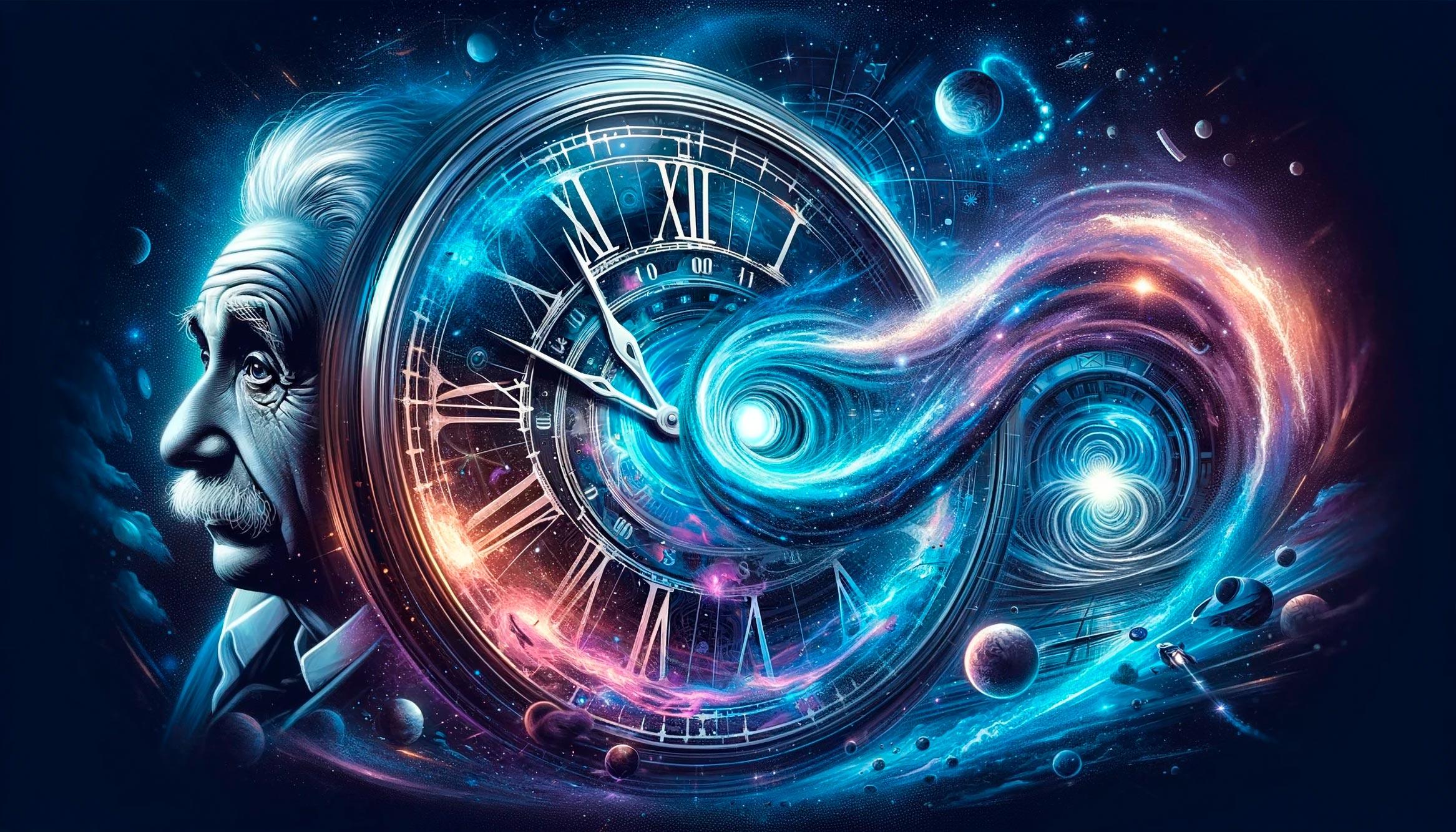
In the realm of science fiction, few concepts captivate the imagination quite like time travel. The allure of bending time to revisit the past or glimpse the future is not merely a backdrop for thrilling adventures; it serves as a profound exploration of human nature. Choices made across timelines echo the very essence of what it means to be human. These films delve into the intricacies of free will, the consequences of our actions, and the weight of responsibility that accompanies the ability to alter time.
- Exploration of Free Will: How do characters navigate the paradox of choice when faced with the knowledge of future outcomes?
- Consequences of Actions: What moral dilemmas arise when a single decision can ripple across time, altering destinies?
- Responsibility and Redemption: Can the past be redeemed, or are we destined to repeat our mistakes despite our best intentions?
Through the lens of time travel, these films offer a unique perspective on our shared humanity, challenging viewers to consider how our choices define us, not just in the moment, but across the continuum of time itself. They remind us that while we may not have the power to change the past, we have the opportunity to learn from it, crafting a future that reflects our deepest values and aspirations.