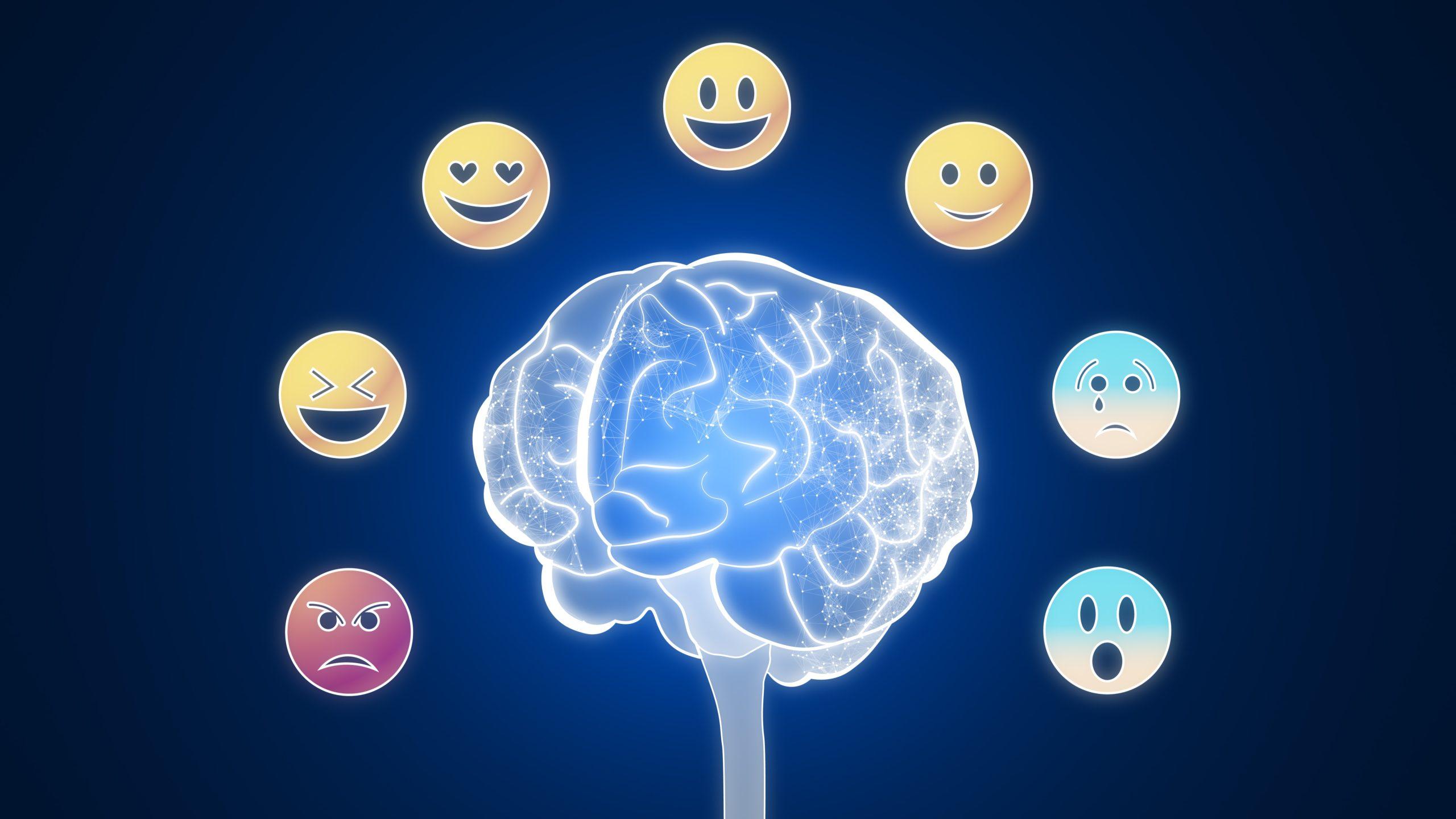
In the realm of cinematic storytelling, few films have managed to capture the intricate interplay between genius and mental illness as poignantly as “A Beautiful Mind.” Directed by Ron Howard and inspired by the life of Nobel Laureate John Nash, this film transcends conventional biographical narratives to explore the profound emotional landscape of a brilliant mind grappling with the harrowing realities of schizophrenia. Through its masterful blend of visual artistry and compelling narrative, “A Beautiful Mind” not only illuminates the complexities of human cognition but also evokes a visceral emotional response that resonates deeply with audiences. This article delves into the film’s emotional power, examining how its nuanced portrayal of Nash’s journey invites viewers to reflect on broader themes of vulnerability, resilience, and the indomitable spirit of the human condition. With a confident lens, we analyze the cinematic techniques and narrative strategies that render this film an enduring masterpiece, capable of both educating and moving its audience in profound ways.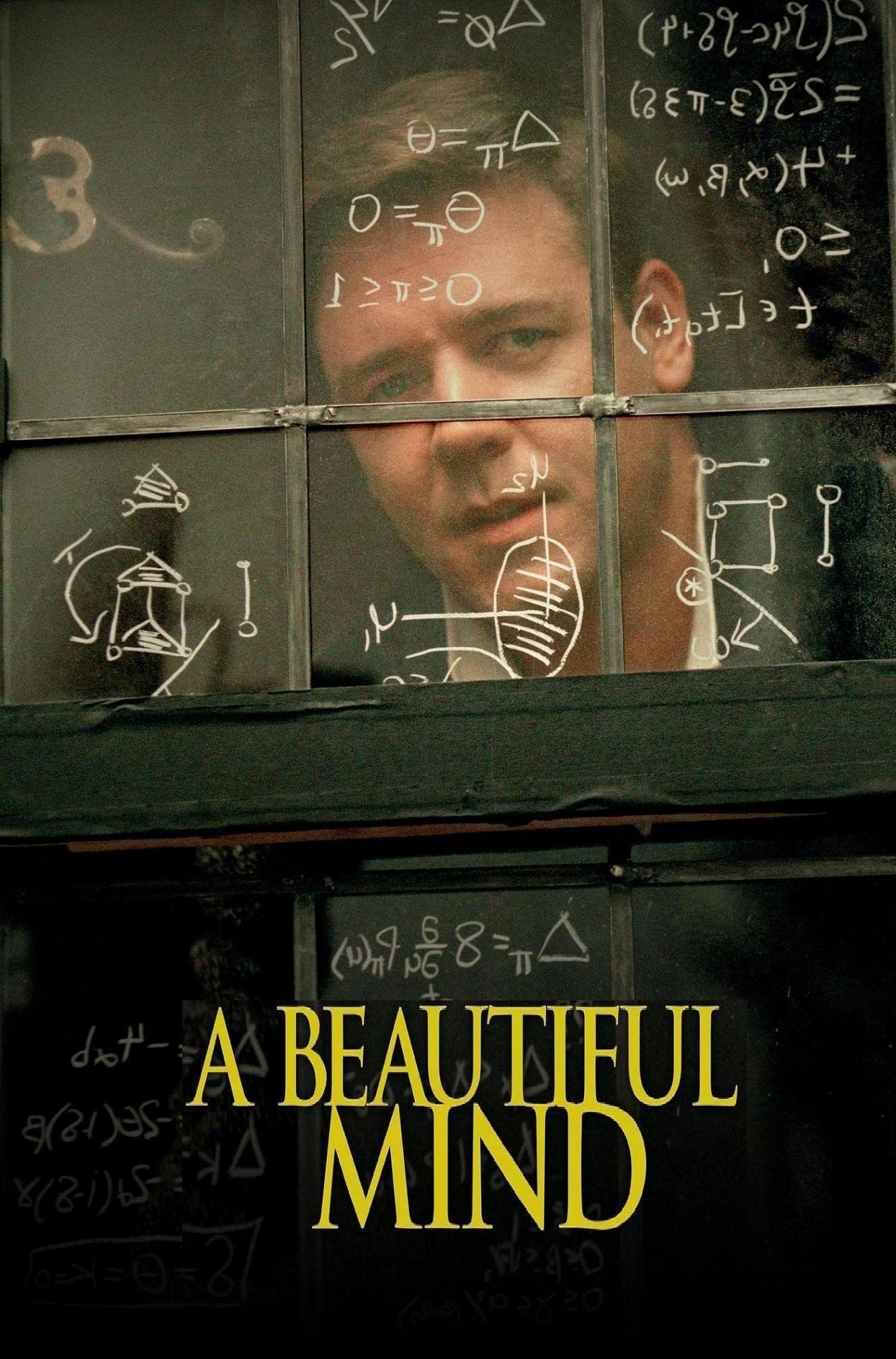
Exploring the Depths of Emotion in A Beautiful Mind
The film masterfully delves into the intricate landscape of human emotion, offering a profound exploration of the internal struggles faced by John Nash, portrayed with exceptional depth by Russell Crowe. A Beautiful Mind presents a compelling narrative that transcends the typical biopic, weaving a tapestry of emotions that captures the viewer’s attention. The film’s portrayal of Nash’s battle with schizophrenia is both haunting and enlightening, drawing audiences into the labyrinth of his mind where reality and illusion blur. This emotional journey is underscored by a brilliant score and cinematography that highlight the isolation and brilliance of Nash’s character.
- Complexity of Human Emotion: The film illustrates how mental illness can coexist with genius, challenging societal perceptions.
- Interpersonal Relationships: The unwavering support from Nash’s wife, Alicia, played by Jennifer Connelly, underscores the power of love and understanding in overcoming adversity.
- Resilience and Redemption: Nash’s journey is not only about his struggles but also about his triumphs, emphasizing the indomitable human spirit.
The narrative structure allows viewers to experience Nash’s emotional turmoil firsthand, effectively bridging the gap between his internal and external worlds. This emotional resonance is achieved through a careful balance of storytelling and character development, making A Beautiful Mind a poignant study of the complexities of the human condition.
Understanding the Psychological Impact of Cinematic Storytelling
In the realm of cinema, storytelling serves as a powerful conduit for exploring the complexities of the human mind, and “A Beautiful Mind” stands as a testament to this phenomenon. This film does more than just narrate the life of John Nash; it immerses the audience into the tumultuous world of schizophrenia, allowing viewers to experience the protagonist’s internal struggles firsthand. Through meticulous character development and a gripping narrative arc, the film illustrates the psychological nuances of living with a mental disorder. The narrative is interwoven with themes of genius and madness, compelling viewers to confront their preconceived notions about mental health and intelligence.
- Character Empathy: The audience is drawn into Nash’s world, experiencing the highs of intellectual triumph and the lows of his psychological battles.
- Visual Storytelling: The use of cinematography and visual effects cleverly blurs the lines between reality and hallucination, heightening emotional engagement.
- Emotional Resonance: The film’s score and pacing amplify the emotional journey, crafting a visceral experience that lingers long after the credits roll.
By dissecting these elements, ”A Beautiful Mind” showcases the immense emotional power that cinematic storytelling holds. It invites audiences not only to witness but to feel the intricacies of a brilliant yet tormented mind, making it a profound exploration of the human condition.

Harnessing Emotional Resonance for Personal Growth
Emotions are the invisible threads that connect us to our experiences, shaping our perceptions and reactions. When we harness these emotions, we open the door to profound personal growth. The key lies in recognizing the power of emotional resonance—those moments when we deeply connect with our feelings and allow them to guide us towards self-discovery and transformation. By consciously engaging with our emotional landscape, we can unlock insights that lead to greater self-awareness and resilience.
- Self-Reflection: Taking the time to reflect on our emotions helps in understanding underlying motivations and desires.
- Emotional Intelligence: Developing the ability to perceive, use, understand, and manage emotions enhances our capacity to navigate life’s challenges effectively.
- Empathy: By resonating with others’ emotions, we cultivate empathy, which fosters deeper connections and a sense of community.
- Mindfulness: Practicing mindfulness allows us to observe our emotions without judgment, providing clarity and balance.
In embracing these strategies, we find that emotional resonance not only enriches our personal lives but also amplifies our potential for growth and fulfillment. By learning to dance with our emotions, we can transform them from fleeting feelings into powerful catalysts for change.

Recommendations for Engaging with Emotionally Charged Narratives
When engaging with emotionally charged narratives, it’s essential to approach them with both sensitivity and analytical depth. These stories often delve into complex human emotions, requiring us to suspend judgment and embrace empathy. Here are some strategies to consider:
- Active Listening: Pay attention to the nuances of the characters’ experiences and emotions. Listen to their stories as you would in a real conversation, fully present and without distraction.
- Contextual Understanding: Consider the socio-cultural and historical contexts that shape the narrative. Understanding the backdrop can enhance your appreciation of the characters’ struggles and triumphs.
- Reflective Thinking: Allow yourself time to reflect on how the narrative resonates with your own experiences and beliefs. This reflection can deepen your emotional connection and provide personal insights.
By employing these strategies, readers can navigate the emotional landscapes of narratives like “A Beautiful Mind” with confidence, gaining a richer understanding of both the story and themselves. Such engagement not only enhances the reading experience but also fosters personal growth and empathy.