In the pantheon of literary achievements, J.R.R. Tolkien’s “The Lord of the Rings: The Fellowship of the Ring” stands as a towering exemplar of epic fantasy. This seminal work, first published in 1954, has not only captivated generations of readers with its richly woven tapestry of adventure and myth but has also fundamentally reshaped the landscape of modern fantasy literature. Analyzing its intricate narrative structure, profound thematic depth, and pioneering world-building, “The Fellowship of the Ring” emerges as an epic fantasy like no other. With its meticulous attention to linguistic detail and an unparalleled commitment to creating an immersive universe, Tolkien’s narrative invites a comprehensive exploration of its enduring impact and the reasons it continues to resonate so powerfully within the literary canon. As we delve into the elements that distinguish this work, it becomes evident that its legacy is not merely a product of its time but a timeless journey that transcends the boundaries of genre and imagination.
Exploring Tolkiens Worldbuilding Techniques
J.R.R. Tolkien’s mastery in creating immersive worlds is unparalleled, and his techniques in worldbuilding are a testament to his genius. One of the most striking elements is his use of language and linguistics. Tolkien, a philologist, crafted entire languages such as Quenya and Sindarin, which not only serve as communication tools but also add depth and authenticity to the cultures of Middle-earth. This linguistic foundation enriches the narrative, providing a profound sense of history and realism. Tolkien’s attention to linguistic detail extends beyond mere vocabulary, embedding cultural nuances and historical evolution within each dialect, making the languages a living part of the world he created.
Another pivotal aspect of Tolkien’s worldbuilding is his intricate history and mythology. Middle-earth’s history is layered with tales of ancient wars, legendary heroes, and divine interventions. This depth is achieved through a carefully crafted mythopoeia that rivals real-world mythologies. Tolkien’s method includes:
- Detailed genealogies that trace the lineage of characters, connecting personal stories to a larger historical tapestry.
- Rich geographical descriptions that transform landscapes into characters themselves, influencing the plot and the journeys of the Fellowship.
- Interwoven themes of power, sacrifice, and redemption, providing moral and philosophical depth to the epic tale.
By intertwining these elements, Tolkien constructs a world that feels both expansive and intimate, inviting readers to lose themselves in the depths of his creation.

Character Development and Archetypes in The Fellowship of the Ring
In J.R.R. Tolkien’s “The Fellowship of the Ring,” character development and archetypes are intricately woven into the narrative, serving as the backbone of this epic tale. Tolkien’s characters are not merely figures in a fantastical setting; they are representations of universal human traits and struggles. Frodo Baggins, the reluctant hero, embodies the archetype of the unlikely protagonist thrust into a journey of immense consequence. His growth from a sheltered hobbit into a bearer of a world-changing burden highlights themes of courage and sacrifice. Meanwhile, Aragorn, the hidden king, exemplifies the noble hero archetype, navigating the fine line between humility and destiny as he gradually accepts his role as a leader.
The diversity of the fellowship itself serves as a microcosm of Middle-earth’s broader societal dynamics. Characters like Gandalf and Legolas fill the roles of the wise mentor and the elf warrior, respectively, offering guidance and protection. Gimli and Boromir add layers of complexity with their initial skepticism and eventual loyalty, illustrating the transformative power of companionship. Each character not only fulfills a classic archetypal role but also evolves in response to the narrative’s challenges, enriching the story’s emotional depth. The interplay of these archetypes and their development underscores the timeless appeal of Tolkien’s work, making “The Fellowship of the Ring” a cornerstone of fantasy literature.
Analyzing the Symbolism and Themes of Power and Corruption
In J.R.R. Tolkien’s “The Fellowship of the Ring,” the intricate dance between power and corruption is woven seamlessly into the fabric of the narrative. The One Ring, a seemingly innocuous artifact, symbolizes ultimate power but is imbued with a sinister capacity to corrupt those who seek to wield it. The Ring’s allure is almost irresistible, as it promises dominion over others, yet its very nature erodes the morality and integrity of its bearers. This duality is vividly illustrated through characters such as Boromir, whose noble intentions are overshadowed by the seductive pull of the Ring, leading him to momentarily betray his comrades. The Ring’s ability to corrupt serves as a cautionary tale about the dangers of unchecked ambition and the moral decay that often accompanies the quest for power.
Throughout the journey, the theme of power’s corruptive influence is further explored through various elements, such as:
- The contrasting leadership styles of Aragorn and Sauron, highlighting the distinction between power used for stewardship versus domination.
- The fellowship’s internal dynamics, where trust and loyalty are tested by the looming presence of the Ring, a constant reminder of the potential for betrayal.
- The portrayal of Gollum, whose tragic transformation from Sméagol into a creature consumed by his obsession, serves as a poignant example of the Ring’s destructive power.
The rich symbolism and themes of power and corruption in “The Fellowship of the Ring” offer a profound exploration of human nature, challenging readers to reflect on their own values and the ethical dilemmas posed by the pursuit of power.

Cinematic Adaptation: From Page to Screen
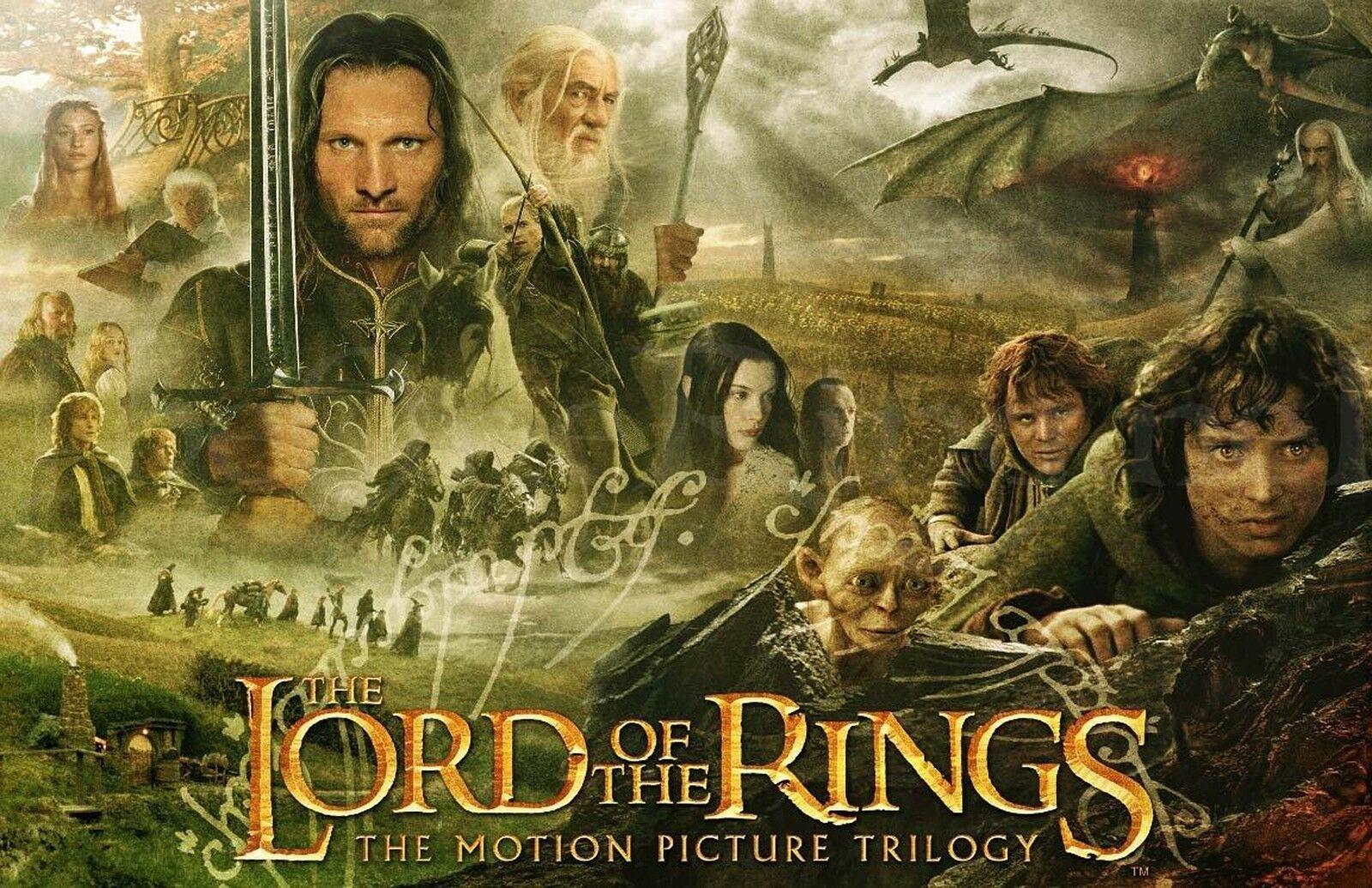
The transformation of J.R.R. Tolkien’s rich tapestry of Middle-earth into a cinematic masterpiece is a testament to the power of visual storytelling. Peter Jackson’s adaptation of “The Fellowship of the Ring” stands as a pivotal moment in film history, not just for its epic scope, but for its meticulous attention to the source material. The challenge lay in capturing the essence of Tolkien’s world—a place where the grandeur of nature intertwines with the depth of human (and hobbit) emotion. Jackson’s keen eye for detail and his dedication to authenticity brought to life the sweeping landscapes of New Zealand, serving as the perfect backdrop for Middle-earth. His approach was not merely to translate the book onto the screen, but to reimagine it, ensuring that both the spirit and the letter of Tolkien’s work resonated with audiences.
Key elements that contributed to the film’s success include:
- Character Development: The film delves deeply into the complexities of its characters, offering a nuanced portrayal that aligns with Tolkien’s vision.
- Visual Effects: Groundbreaking techniques were employed to create a seamless blend of practical effects and CGI, crafting a world that feels both fantastical and tangible.
- Musical Score: Howard Shore’s epic score complements the narrative, enhancing emotional depth and immersing the audience in the journey.
By honoring the narrative’s roots while embracing the possibilities of film, “The Fellowship of the Ring” set a new standard for cinematic adaptations, proving that the journey from page to screen can be as transformative as the stories themselves.