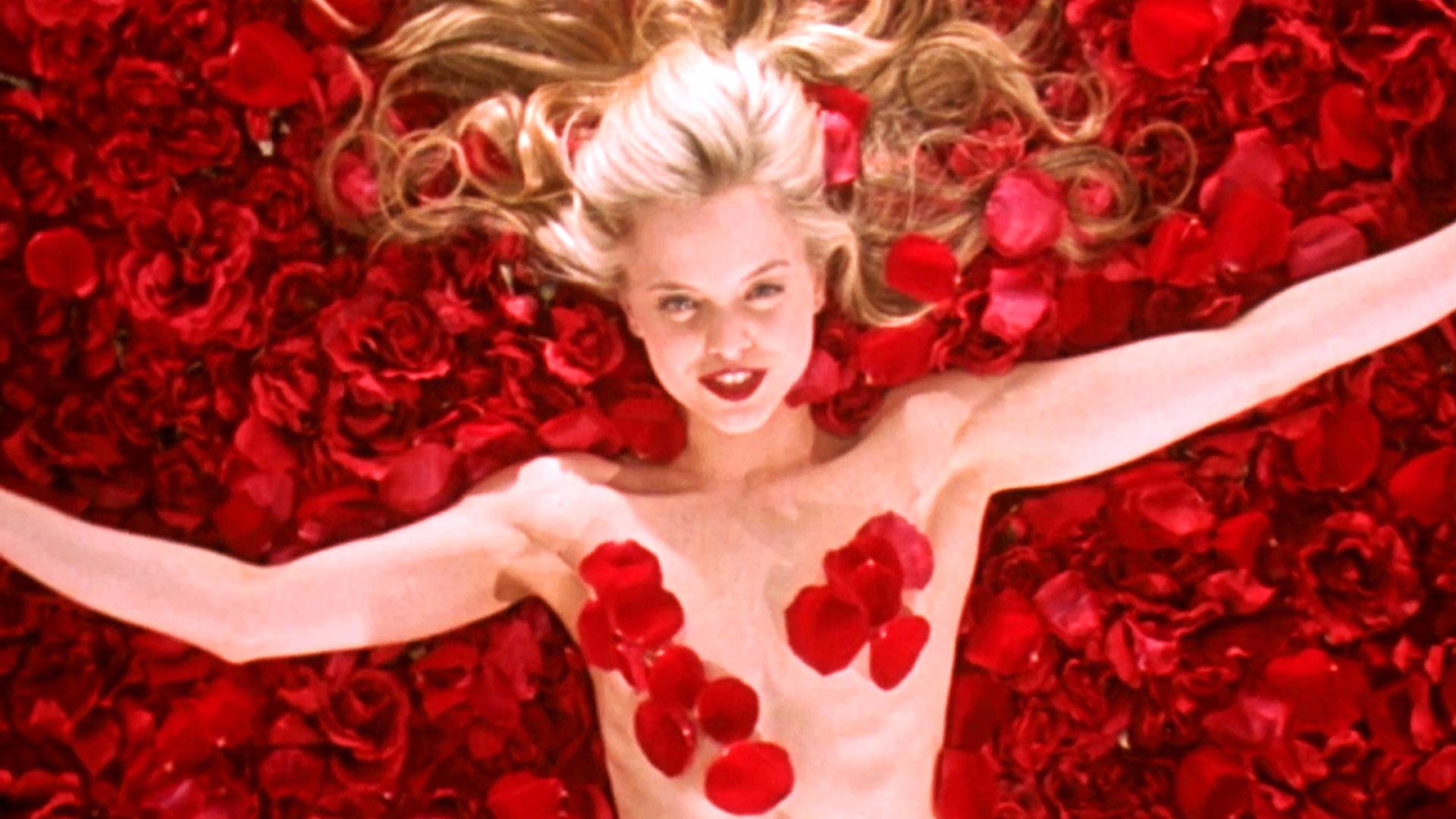
“American Beauty,” the critically acclaimed film directed by Sam Mendes, has captivated audiences since its release in 1999, inviting viewers into the complex tapestry of suburban American life. Beneath its stunning cinematography and compelling performances lies a narrative rich with symbolism and profound commentary on the human condition. This film challenges the conventional perception of beauty and happiness, urging audiences to look beyond the facade of the seemingly perfect American dream. In this analysis, we delve into the deeper message of “American Beauty,” exploring its themes of existential disillusionment, the quest for authenticity, and the subtle critique of societal norms. By peeling back the layers of this cinematic masterpiece, we aim to uncover the intricate ways in which it reflects and critiques the nuances of contemporary life, prompting a reconsideration of what it truly means to find beauty in the world around us.
Exploring the Symbolism of Suburbia and Personal Freedom
In the film “American Beauty,” the setting of suburbia is not merely a backdrop but a crucial element of the narrative, symbolizing both the allure and the confinement of the American Dream. Suburbia represents a facade of perfection, with its neatly trimmed lawns and cookie-cutter houses, serving as a metaphor for the characters’ desire for stability and success. However, beneath this veneer lies a world of discontent and unfulfilled desires, where personal freedom is often sacrificed for societal expectations. The film uses this setting to explore the tension between the pursuit of material success and the yearning for genuine personal liberation.
- Material Wealth vs. Inner Fulfillment: The meticulously maintained homes symbolize the characters’ focus on external appearances, often at the cost of internal satisfaction.
- Conformity vs. Individuality: The homogeneity of suburbia highlights the pressure to conform, while the characters’ struggles underscore the quest for authentic self-expression.
- Stability vs. Change: The static nature of suburban life contrasts with the characters’ deep-seated desires for transformation and freedom.
Through its depiction of suburbia, ”American Beauty” challenges viewers to question the true cost of adhering to societal norms and the sacrifices made in the pursuit of the so-called perfect life. It suggests that personal freedom often requires breaking away from the constraints of conventional success and embracing one’s true self, even if it means venturing into the unknown.
Unveiling Character Dynamics and Psychological Complexities
In the cinematic tapestry of “American Beauty,” character dynamics unfold with a raw intensity that reveals the tangled web of psychological complexities. Each character is meticulously crafted, acting as both an individual and a mirror reflecting societal pressures and personal desires. Lester Burnham embodies the quintessential mid-life crisis, his rebellion against suburban monotony highlighting a desperate quest for freedom and meaning. Carolyn Burnham, in contrast, is ensnared by the pursuit of perfection, her obsession with success and appearance masking deep-seated insecurities.
The film’s narrative intricately explores the dualities and contradictions within each character. Ricky Fitts, the voyeuristic neighbor, finds beauty in the mundane, offering a stark contrast to the materialistic values surrounding him. Angela Hayes, the object of Lester’s infatuation, reveals the fragility beneath her confident facade, illustrating the film’s recurring theme of appearance versus reality. Through these characters, the film delves into the following psychological themes:
- Identity and Transformation: Characters undergo profound changes, questioning their identities and societal roles.
- Repression and Liberation: The tension between societal expectations and personal freedom is a central conflict.
- Illusion and Reality: The disparity between how characters perceive themselves and how they are perceived by others underscores their psychological struggles.
Through its exploration of these dynamics, “American Beauty” offers a profound commentary on the human condition, inviting viewers to reflect on the complexities of their own lives and relationships.

Interpreting Visual and Musical Motifs for Enhanced Understanding
In Sam Mendes’ American Beauty, visual and musical motifs serve as powerful tools to convey the film’s underlying themes. The recurring motif of the red rose symbolizes both the allure and the facade of beauty. These roses often appear in scenes with Carolyn, illustrating her obsession with maintaining a perfect exterior while masking her inner turmoil. The stark contrast between the vibrant red petals and the mundane suburban backdrop underscores the superficiality of appearances, inviting viewers to question what lies beneath the surface.
- Plastic Bag Dance: The ethereal dance of the plastic bag accompanied by Thomas Newman’s haunting score represents the beauty found in the mundane, urging viewers to appreciate life’s overlooked moments.
- Framing and Reflections: The frequent use of mirrors and windows creates a sense of duality, reflecting characters’ inner conflicts and the disparity between their public and private selves.
Musically, the score enhances these themes by weaving a tapestry of subtle yet evocative sounds. The minimalist piano melodies juxtaposed with sweeping orchestral arrangements evoke a sense of longing and introspection. This auditory landscape mirrors Lester Burnham’s journey from disillusionment to self-awareness, providing an emotional resonance that complements the film’s visual storytelling. Together, these motifs invite audiences to delve deeper into the characters’ psyches, fostering a richer understanding of the narrative’s profound message.

Recommendations for Viewing with a Critical and Reflective Lens
- Examine Character Development: Focus on the transformation of key characters like Lester Burnham. Analyze how their personal journeys reflect broader societal issues, such as the pursuit of superficial success and the yearning for authentic fulfillment. Consider how the characters’ interactions and decisions reveal underlying themes of dissatisfaction and existential angst.
- Analyze Symbolism and Imagery: Pay attention to recurring motifs, such as the iconic red roses and the use of light and shadow. These elements are not just aesthetic choices but serve as symbolic representations of desire, beauty, and hidden truths. Reflect on how these symbols enhance the narrative and contribute to the film’s critique of modern life.
- Question Social Norms: Scrutinize how the film challenges conventional family dynamics and societal expectations. Consider how the characters’ struggles with identity, sexuality, and conformity offer a mirror to real-world issues. This reflection prompts a deeper understanding of the pressures and contradictions inherent in the pursuit of the ‘American Dream.’
Approach “American Beauty” with a mindset that seeks to uncover the layers beneath its surface. By critically engaging with its narrative and cinematic techniques, one can appreciate its commentary on human nature and societal flaws. Embrace a reflective stance, questioning not only the film’s content but also your own perceptions and biases, to fully grasp its enduring impact.