In the whimsical realm of contemporary cinema, few directors have carved out a niche as distinctively as Wes Anderson. Known for his meticulously symmetrical frames, pastel color palettes, and quirky ensemble casts, Anderson’s films have long been celebrated as visual symphonies of eccentricity and charm. However, as audiences have become more familiar with his signature style, a question lingers in the air like the scent of freshly brewed Darjeeling tea: Is Wes Anderson’s unique style becoming repetitive? This article delves into the heart of this cinematic conundrum, exploring whether the beloved auteur’s consistent artistic choices are a testament to his genius or a sign of creative stagnation. Join us as we embark on an introspective journey through the whimsical world of Wes Anderson, where each frame tells a story, and each story invites a critical eye.
Wes Andersons Signature Aesthetic: A Double-Edged Sword
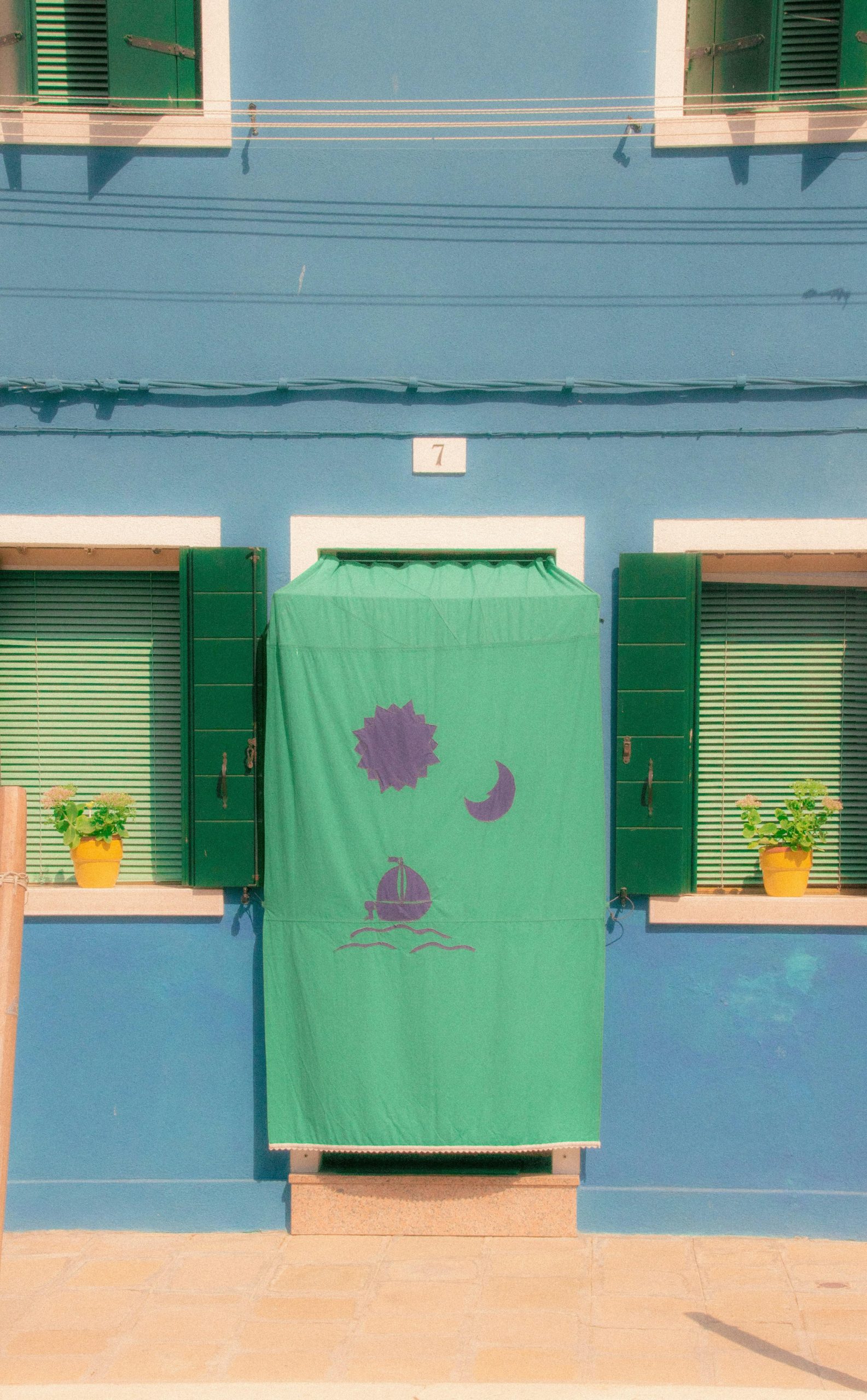
Wes Anderson’s films are instantly recognizable, thanks to his signature aesthetic that combines meticulous symmetry, vibrant color palettes, and whimsical storytelling. This distinctive style has captivated audiences, turning each film into a visual feast. However, some critics argue that this aesthetic has become a double-edged sword, as the uniqueness that once set his work apart is now perceived by some as formulaic. Anderson’s visual motifs—such as centered compositions, lateral tracking shots, and intricate set designs—create a cinematic universe that’s both immersive and nostalgic. Yet, this familiar pattern may risk alienating viewers who crave innovation over consistency.
- Visual Consistency: While his films are celebrated for their cohesive visual language, there’s a growing debate about whether this consistency is becoming repetitive.
- Storytelling vs. Style: Some fans argue that the style often overshadows the narrative, leading to films that are visually stunning but emotionally hollow.
- Audience Expectations: As Anderson continues to craft his unique brand of cinema, he faces the challenge of balancing audience expectations with the desire to explore new creative territories.

The Challenge of Innovation within a Distinctive Vision
Wes Anderson’s films are renowned for their meticulously crafted worlds, characterized by symmetrical compositions, vibrant color palettes, and whimsical storytelling. This distinctive vision has garnered a dedicated fan base and critical acclaim. However, with each new release, the question arises: is his innovation being overshadowed by predictability? While Anderson’s style is undoubtedly unique, the challenge lies in maintaining creativity without becoming formulaic.
- Visual Consistency: His films are instantly recognizable, but the repeated use of similar visual techniques can lead to a sense of déjà vu.
- Narrative Themes: Recurring motifs such as family dynamics and existential musings offer depth but risk feeling recycled.
- Character Archetypes: Quirky, endearing characters are a staple, yet they often tread familiar ground, potentially limiting emotional impact.
Balancing the fine line between maintaining a signature style and evolving creatively is a delicate task. Anderson’s challenge is to surprise audiences while staying true to his artistic identity, ensuring that his work remains fresh and engaging.

Exploring Audience Fatigue and the Desire for Novelty
In the ever-evolving landscape of cinema, the audience’s thirst for fresh and engaging experiences is insatiable. While Wes Anderson’s distinctive visual storytelling has garnered a devoted following, the conversation around his films often touches on a phenomenon known as audience fatigue. This occurs when viewers, despite their initial enthusiasm, begin to yearn for something different. Anderson’s meticulous symmetry, pastel palettes, and whimsical narratives, once hailed as groundbreaking, may start to feel predictable to some, sparking a craving for innovation.
- Is the charm of his signature style waning?
- Do audiences seek more diverse narratives?
- Can Anderson reinvent his approach to keep his work captivating?
These questions linger in the minds of film enthusiasts who admire Anderson’s work yet wonder about the longevity of his artistic approach. The challenge lies in balancing the beloved elements that define his films with the desire for novelty that keeps audiences engaged. As cinema continues to push boundaries, the dialogue surrounding Anderson’s style invites a broader discussion on the nature of creativity and the perpetual quest for new storytelling horizons.

Balancing Consistency and Creativity: Recommendations for Anderson
To maintain his hallmark visual and narrative style while avoiding predictability, Wes Anderson might consider a few strategic adjustments. First, introducing new thematic elements could breathe fresh life into his films. While his penchant for whimsical storytelling is beloved, exploring themes such as contemporary issues or different cultural narratives might offer a refreshing divergence from his usual path.
- Experiment with Cinematic Techniques: While his symmetrical compositions and pastel palettes are iconic, incorporating new camera techniques or color schemes can enhance the storytelling without losing his distinctive touch.
- Collaborate with New Writers: Engaging with writers from varied backgrounds can bring fresh perspectives and ideas, enriching his stories with diverse voices and experiences.
- Evolve Character Archetypes: While Anderson’s characters are often quirky and charming, adding complexity or unexpected depth to these roles can surprise audiences and offer new emotional layers.
By weaving these elements into his projects, Anderson can strike a balance between consistency and innovation, ensuring his work remains both recognizable and continually intriguing.