
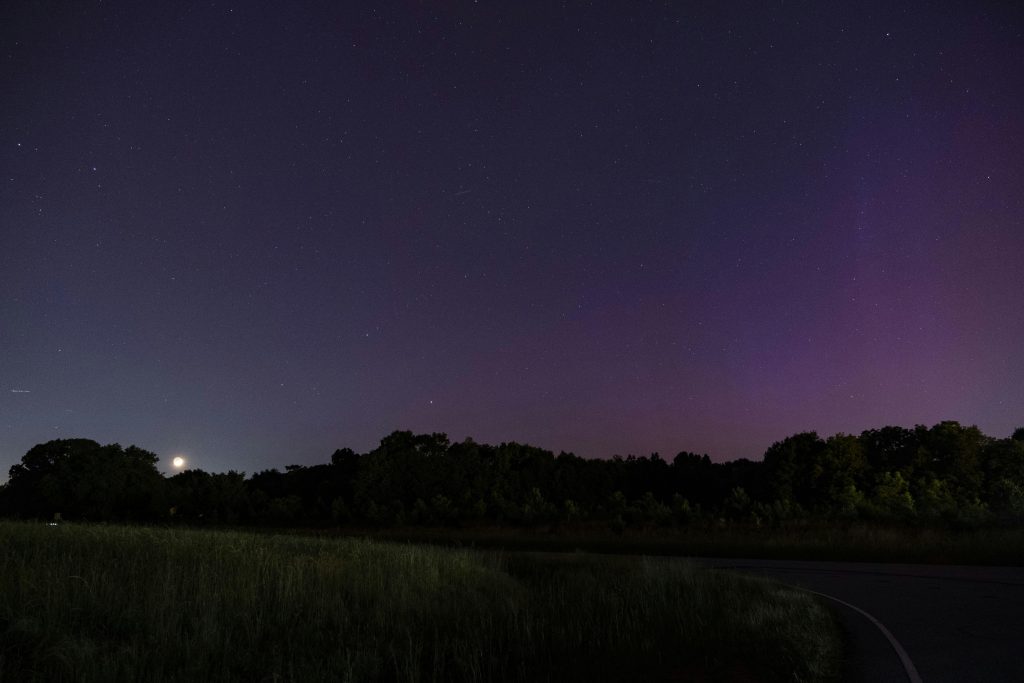
Dive into the whimsical world of Wes Anderson, where eccentric characters and vibrant aesthetics reign supreme. From “The Grand Budapest Hotel” to “Moonrise Kingdom,” discover films that redefine quirky cinema with charm and precision.

Why The Grand Budapest Hotel is a Visual Masterpiece
“The Grand Budapest Hotel” is a visual masterpiece due to its meticulous color palettes, symmetrical compositions, and intricate set designs, all of which create a whimsical yet immersive world that enhances the storytelling.
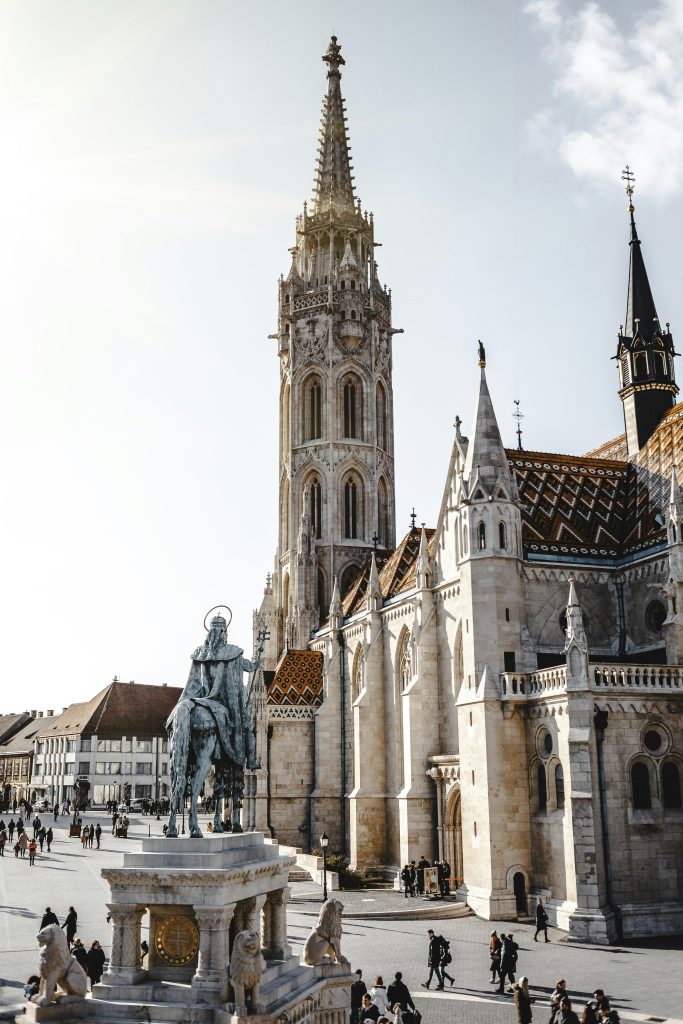
Was The Grand Budapest Hotel a Style-Over-Substance Movie
The Grand Budapest Hotel, with its vibrant aesthetics and meticulous design, often sparks debate. While its visual flair captivates, the film’s layered narrative and complex characters ensure substance isn’t overshadowed by style.

Breaking down the symbolism in The Grand Budapest Hotel
“The Grand Budapest Hotel” masterfully employs symbolism to explore themes of nostalgia, decay, and the fleeting nature of grandeur. The hotel’s opulent facade, contrasted with its dilapidated state, mirrors the decline of a bygone era and its elusive beauty.
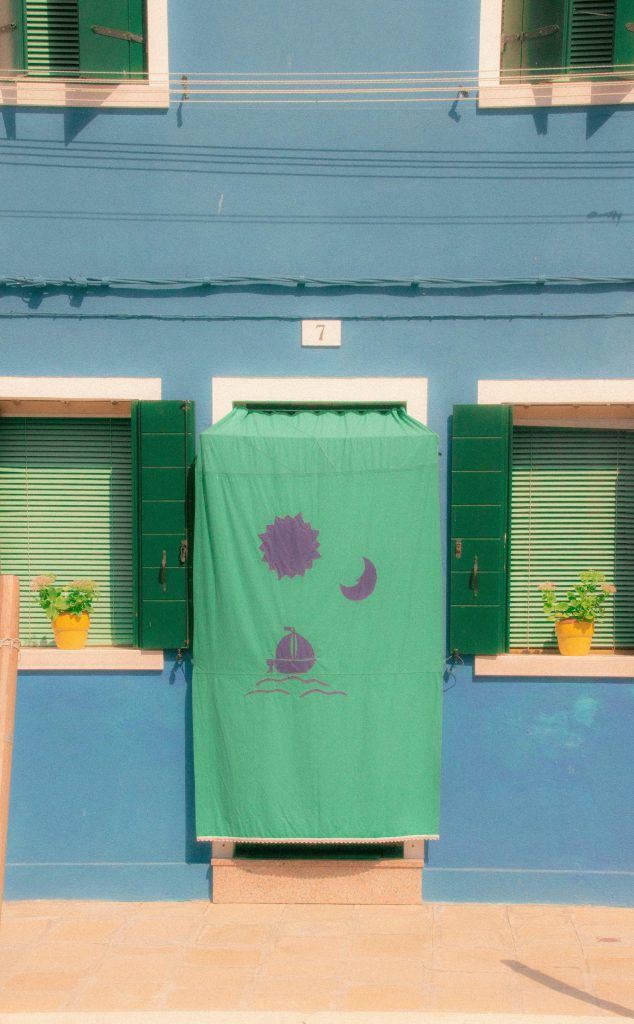
Is Wes Anderson’s Unique Style Becoming Repetitive
Wes Anderson’s films are renowned for their distinct visual flair and quirky narratives. However, some critics question if his stylistic consistency is veering into predictability, sparking a debate on whether his charm is losing its novelty.
The Creative Genius of Wes Anderson: An Auteur with a Unique Style
Wes Anderson’s films captivate with their meticulous symmetry, vibrant palettes, and whimsical storytelling. His unique style, a blend of nostalgia and innovation, marks him as a true auteur in modern cinema.